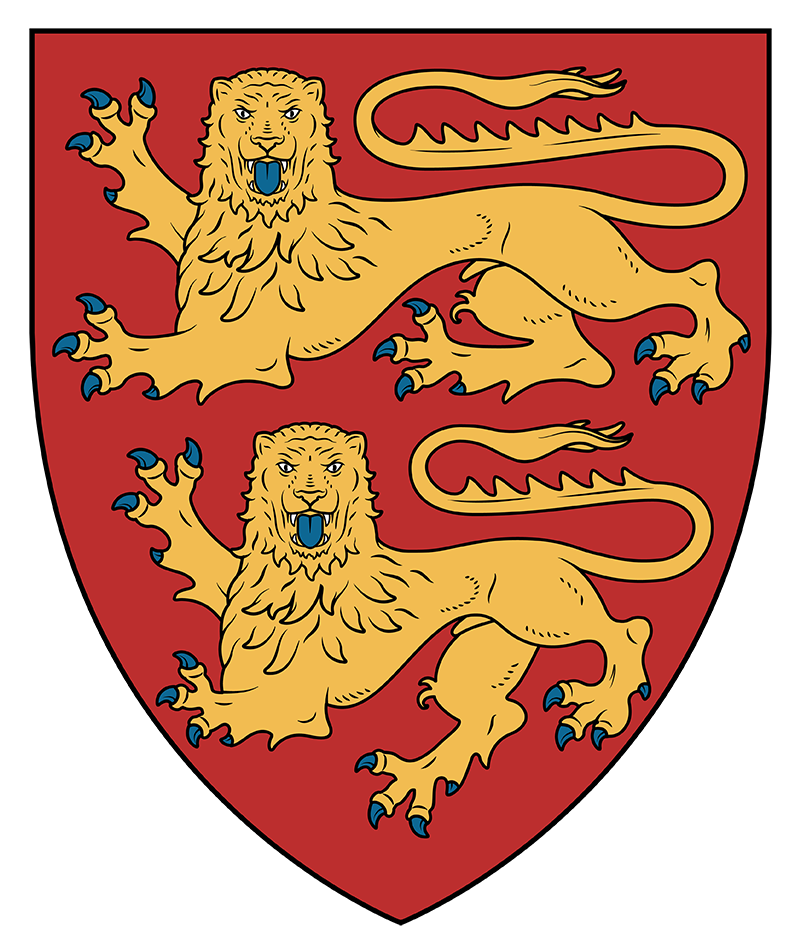
William I - King of England (1066-1087)
William the Conqueror
William, Duke of Normandy, was a Norman ruler who became King of England after defeating Harold Godwinson at the Battle of Hastings in 1066. As a resolute and ambitious leader, he transformed England's nobility and constructed castles nationwide to consolidate his authority.
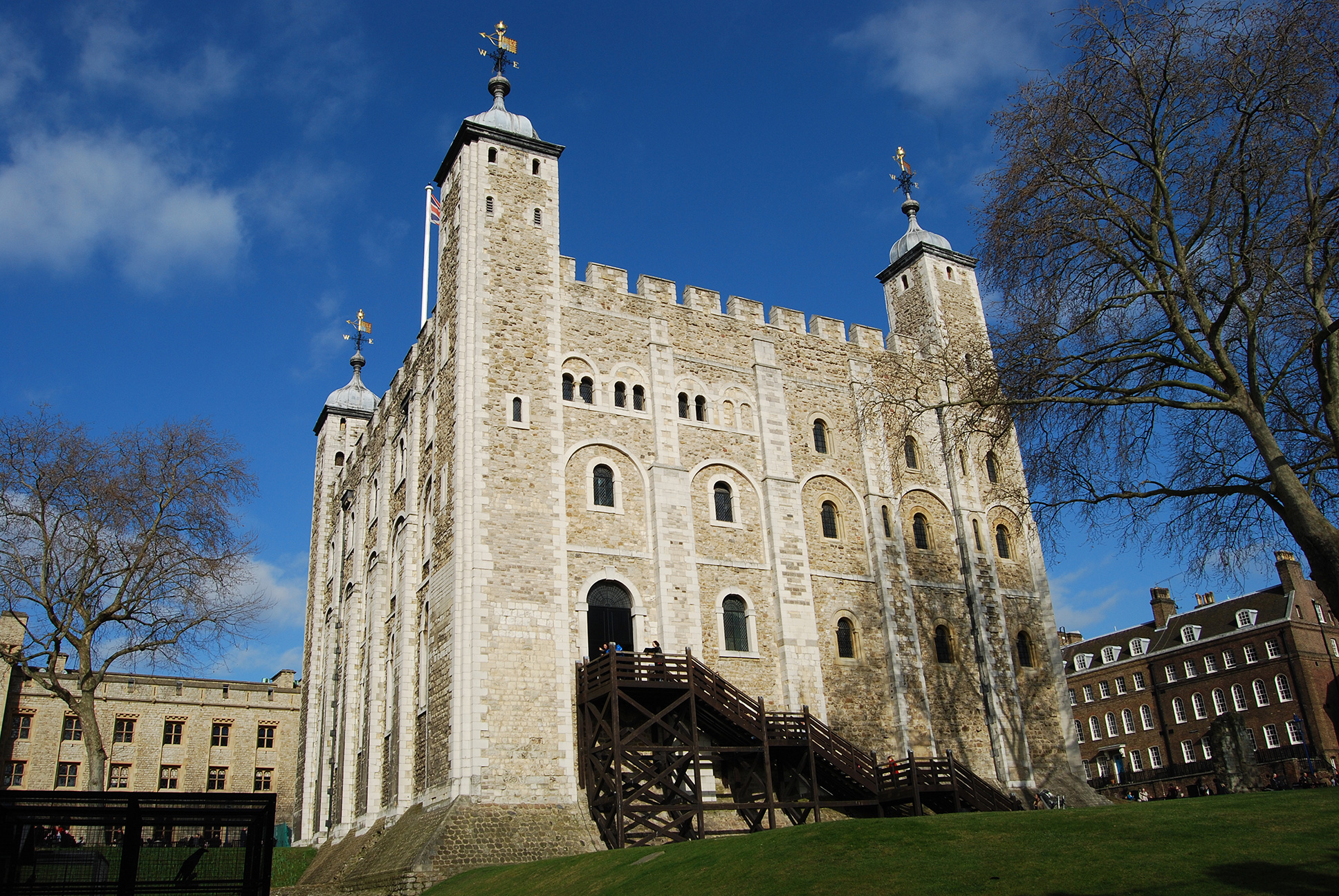
William was born around 1028 in Falaise, Duchy of Normandy. He was the illegitimate son of Robert I, Duke of Normandy, and Herleva, the daughter of a tanner or local official.
His father, Robert, convened a council in January of 1035. He had the Norman magnates swear fealty to young William as his heir before setting off on pilgrimage to Jerusalem. Robert died at Nicaea in July of 1035 on his return to Normandy.
At about seven or eight years old, William inherited the duchy of Normandy. After his father's death, Norman magnates who had once sworn fealty now defied his authority and seized land. Meanwhile, several of William's guardians were slain, and the young Duke was repeatedly moved to keep him safe.
King Henry I of France acted as William's protector and helped him secure the Dukedom against rebellious barons. In 1047, Henry fought alongside William at the Battle of Val-ès-Dunes, near Caen, suppressing a major rebellion.
This victory enabled William to assert control over the duchy. Over the next ten years, he quelled revolt and installed loyal supporters in positions of power, consolidating Norman authority.
In 1049, William made his half-brother Odo the Bishop of Bayeux. William also welcomed foreign monks and scholars to Normandy, including Lanfranc of Pavia, who would become abbot of Caen in 1063.
Around 1050 or 1051, William married Matilda of Flanders. She was the daughter of Count Baldwin V of Flanders and Adela of France. William and Matilda had at least nine children: Robert, Adeliza, Cecilia, Richard, William Rufus, Matilda, Constance, Adela, and Henry.
In 1051, William traveled to England. Norman chroniclers report that, during his visit, King Edward the Confessor promised him the English throne. Whether Norman propaganda or not, the claim suggests that Edward may have preferred William rather than the Anglo-Saxon Godwins as his successor.
In the 1050s, William's power had increased, and King Henry I felt threatened by his rise. Henry allied with Geoffrey Martel, Count of Anjou, and the two launched several campaigns against Normandy.
William defeated them at the Battle of Mortemer in 1054 and at Varaville in 1057. By 1060, William's control over Normandy was secure.
In 1064, Edward the Confessor sent Harold Godwinson to Normandy. Harold was captured en route by one of William's vassals. William paid a ransom for Harold's release. According to Norman accounts, Harold swore an oath on holy relics during this trip to support William as Edward's successor.
On January 5th, 1066, Edward the Confessor died childless. As a result, Harold Godwinson was declared King of England after claiming it was Edward's wish on his deathbed. Facing this challenge, William now began preparations to invade England to claim the crown.
By August of 1066, William had gathered his army at the mouth of the River Dives. However, strong winds delayed his invasion. Then, in September, a westerly wind drove his fleet up the Channel, so William regrouped his forces at Saint-Valéry on the Somme.
By then, Harold was forced to release his peasant army, which he had summoned to protect the coast. This left England vulnerable to invasion.
On September 25th, Harold Godwinson was in the North of England, where he defeated King Harald Hardrada and his own brother Tostig Godwinson at the Battle of Stamford Bridge.
On September 27th, 1066, the wind turned in William's favor, and they set sail for the southeastern coast of England. By the next morning, he arrived at Pevensey Bay and began to organize his army. In Pevensey, William built a wooden motte-and-bailey castle within the old Roman fort of Anderitum, which became Pevensey Castle. He then built Hastings Castle on the cliff overlooking the sea.
On the morning of October 14th, 1066, William of Normandy and Harold Godwinson's armies met near Senlac Hill at the Battle of Hastings.
The Normans struggled to break through Harold's shield wall. However, it was not until the Anglo-Saxon army thought William's men were retreating and pursued them that the wall weakened. At that point, William led a charge to break through. Harold was killed in battle, struck down by a swordsman, and/or was shot with an arrow through his eye.
After William's victory at Hastings, he marched north toward London but faced resistance, so he took a circular route around the city. In December of 1066, the leading English Nobles surrendered to him at Berkhamsted, including Edgar Ætheling, Earl Edwin of Northumbria, Earl Morcar of Mercia, and the Archbishops of Canterbury and York.
Berkhamsted was located on an important route between London and the Midlands, and the Normans considered it strategically important. Because of this, William ordered his half-brother, Robert of Mortain, to build a castle at Berkhamsted.
William was crowned King William I of England on Christmas Day at Westminster Abbey.
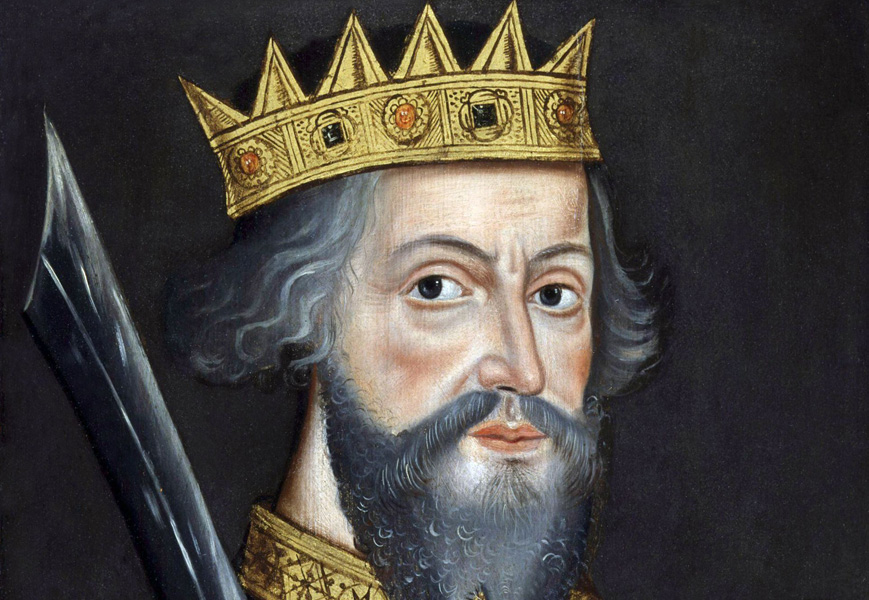
William introduced Norman feudalism, law, and administration to England. To strengthen his control over the country, he suppressed rebellions and built castles, including the White Tower of the Tower of London.
William appointed his close advisor, Lanfranc, the Archbishop of Canterbury. He replaced all other Anglo-Saxon bishops in England with Normans, except Wulfstan of Worcester.
King William of England spent much time in Normandy, where he remained Duke, while English barons persisted in revolt. In 1069, William marched north to York to suppress an uprising led by northern barons and a Danish army. The campaign resulted in the Harrying of the North: in his fury, William razed crops, slaughtered livestock, and killed townsfolk, leaving the region desolate.
In 1078, trouble began between William and his eldest son, Robert Curthose. Robert left Normandy. He and a band of men went to the castle at Remalard, where they proceeded to raid Normandy. William attacked the rebels and drove them from Remalard. King Philip of France gave them the castle at Gerberoi, where they gathered new supporters against William. In January of 1079, William besieged Gerberoi. After three weeks, forces within the castle sallied out and surprised the besiegers. William was unhorsed by his son Robert and was forced to lift the siege and return to Rouen. By April 12th, 1080, William and Robert had reconciled. William once again affirmed that Robert would succeed him as Duke of Normandy.
In 1082, William knighted his youngest son, Henry.
At Christmas 1085, William ordered a comprehensive economic survey of all lands and resources. The survey was organized by counties for tax and control purposes. It resulted in the Domesday Book.
In August, William took oaths of fealty from important landowners in England at Salisbury, where he received the results of the Domesday Book.
In July of 1087, William was seizing Mantes in France when he fell ill or was injured by the pommel of his saddle. He was taken to the priory of Saint-Gervais at Rouen. He lay dying for five weeks before he died at daybreak on September 9th, 1087.
The nobles at William's deathbed left his body at Rouen and quickly left to attend to their own affairs. The clergy at Rouen arranged to have William's body sent to Caen and buried at Abbaye-aux-Hommes, the Abbey of Saint-Étienne, following William's wishes.
When William was lowered into the tomb, it was too large for the space. Attendants tried to force the body into the tomb. This caused it to burst, spreading a disgusting odor throughout the church.
William left the Duchy of Normandy to his son Robert, while his son, William Rufus, was given England, becoming King William II. His third son, Henry, received money as his inheritance, dividing his realm among his heirs.