Siege of Rochester Castle (1215)
Our age has not known a siege so hard pressed nor so strongly resisted
Background
On June 15th, 1215, King John sealed the Magna Carta, but soon repudiated it with support from Pope Innocent III. After further negotiations with the barons failed that summer, tensions boiled over.

The barons had first taken up arms in the spring of 1215, before Magna Carta was sealed. In late April, the rebels gathered at Stamford and moved to Brackley, and on about May 3rd, they formally renounced their allegiance to King John. They chose Robert FitzWalter as their leader, who took the title "Marshal of the Army of God and Holy Church." They then besieged Northampton Castle, but lacking proper siege engines, they made little progress. After about two weeks of failed assaults, during which FitzWalter's standard-bearer was killed by a crossbow bolt, they gave up around mid-May and moved on to Bedford Castle, which William de Beauchamp surrendered to them.
The rebellious barons began to seize key strongholds. Rochester Castle controlled the River Medway crossing on the road between London and the Channel ports of Dover and Sandwich.
In September 1215, rebel forces under William d'Aubigny, Lord of Belvoir, went to Rochester to hold the city against King John. Reginald de Cornhill, constable of Rochester Castle for Archbishop Stephen Langton, opened the gates to the rebels. They garrisoned the castle with between 95 and 140 knights, including William of Eynesford, Thomas of Moulton, William d'Avranches, and Osbert Giffard.
Contemporary chronicler Ralph of Coggeshall records that King John demanded that Archbishop Stephen Langton hand over the castle to royal control, and Langton refused. The rebels feared he would eventually give in, and they seized control of the castle with the consent of the castle constable, Reginald de Cornhill. Cornhill switched allegiance from the king to the Archbishop after the king appointed him as royal constable. The archbishop left the country, leaving Rochester Castle in the rebels' hands. After that, the castle was no longer considered to be in the custody of the archbishops of Canterbury.
Battle
On October 11th, 1215, King John arrived at Rochester, took the city by surprise, and laid siege to the castle. He established his headquarters on Boley Hill. His royal forces included Flemish mercenaries under Robert of Béthune, five large siege engines, and about a dozen miners from the Forest of Dean. Robert's older brother, Daniel de Béthune, fought on the opposite side of the war, besieging Wolvesey Castle for Prince Louis of France at the Siege of Winchester the following year.
John pulled down Rochester Bridge to prevent a relief force from reaching the castle from London. The longest siege in England to that point ensued, lasting almost two months.
The siege began with the royalist forces bombarding the castle with five siege engines that fired large stones day and night. They smashed a hole in the castle's outer rampart wall. King John deemed this method ineffective. A letter dated October 14th 1215 indicated that John was preparing to undermine the castle walls. John wrote to Canterbury, asking them to produce "By day and night as many picks as you are able" and send them to Rochester.
On October 26th, a relief force of 700 men on horseback was sent from London to relieve the castle garrison. They turned away before arriving in Rochester when they learned the king was advancing to engage them.
Once the outer curtain wall was breached, the castle garrison pulled back to the safety of the keep. The keep withstood bombardment from the siege engines, and John again turned to undermining to try to bring down the walls. A mine was dug beneath the south-east corner tower of the keep. John sent a letter from Rochester on November 25th to Hubert de Burgh, asking him to "send to us with all speed by day and night forty of the fattest pigs of the sort least good for eating to bring fire beneath the tower". John filled the mine under the tower with the pigs and set it on fire. The pigs' fat made the fire much hotter, and the tower collapsed, bringing down one corner of the keep.
The garrison inside the keep held out, taking cover behind the cross-wall of the part of the keep that still stood, and abandoned the rest. They remained isolated and unable to get provisions from outside the castle. Each day the conditions worsened, and they resorted to eating their horses to stay alive. Some of the least able men in the garrison were sent out of the keep to reduce demand on what little provisions they had. Once outside the keep, they were captured by the besiegers and had their hands and feet amputated.
On November 30th, 1215, the castle garrison finally surrendered and were taken captive. King John wanted to execute them all, as was the custom of the time. However, Savaric de Mauléon, one of his captains, persuaded the king to spare them, worried that royal garrisons would be treated the same if the situation were reversed. Thus, only one person was executed: a crossbowman who had previously been in service of the king since childhood, who was hanged.
Aftermath
Many of the rebels were taken prisoner and held at royal castles including Corfe Castle and Nottingham Castle. After the siege, the Barnwell chronicler wrote, "Our age has not known a siege so hard pressed nor so strongly resisted."
The victory was a major success for King John and temporarily secured southeast England. However, within months, the rebels who remained against him invited Prince Louis of France to invade England and take the crown. Thus, the First Barons' War continued.
Today, Rochester Castle still shows scars from the siege. The Southeast Tower was rebuilt as a rounded tower, creating a mismatch with the keep's three remaining square corner towers.
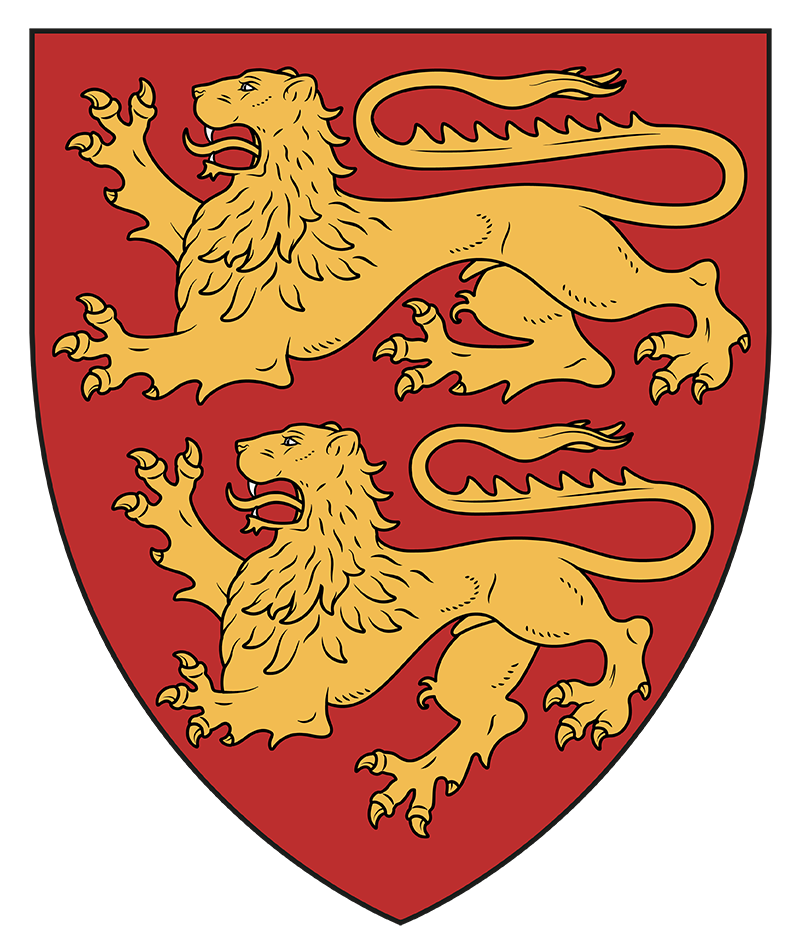
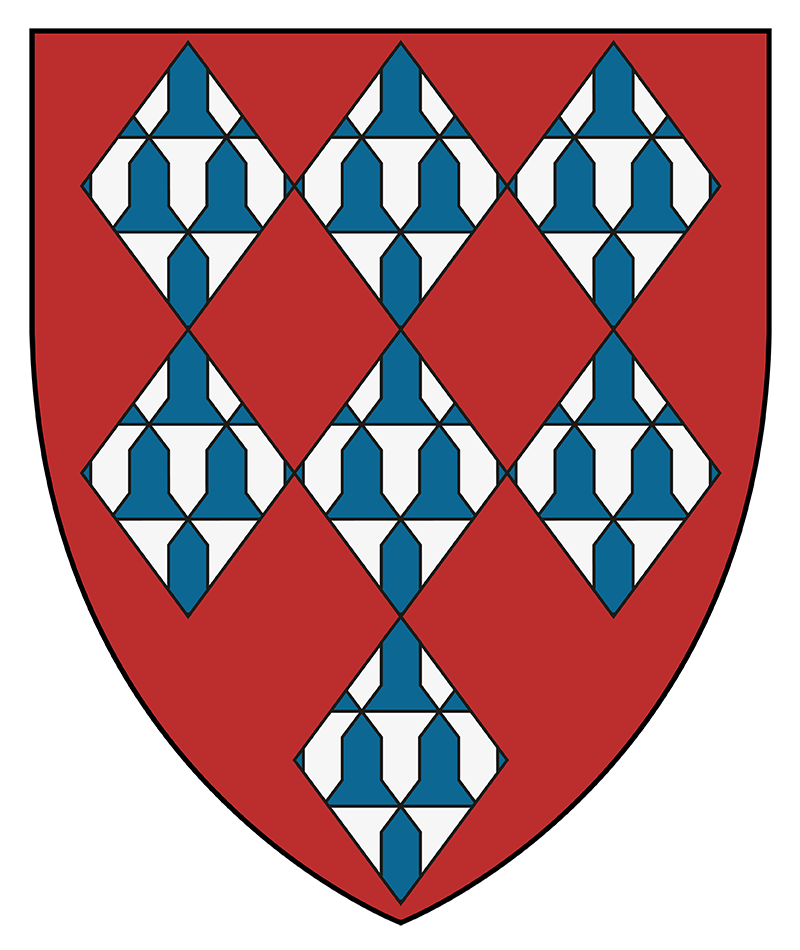
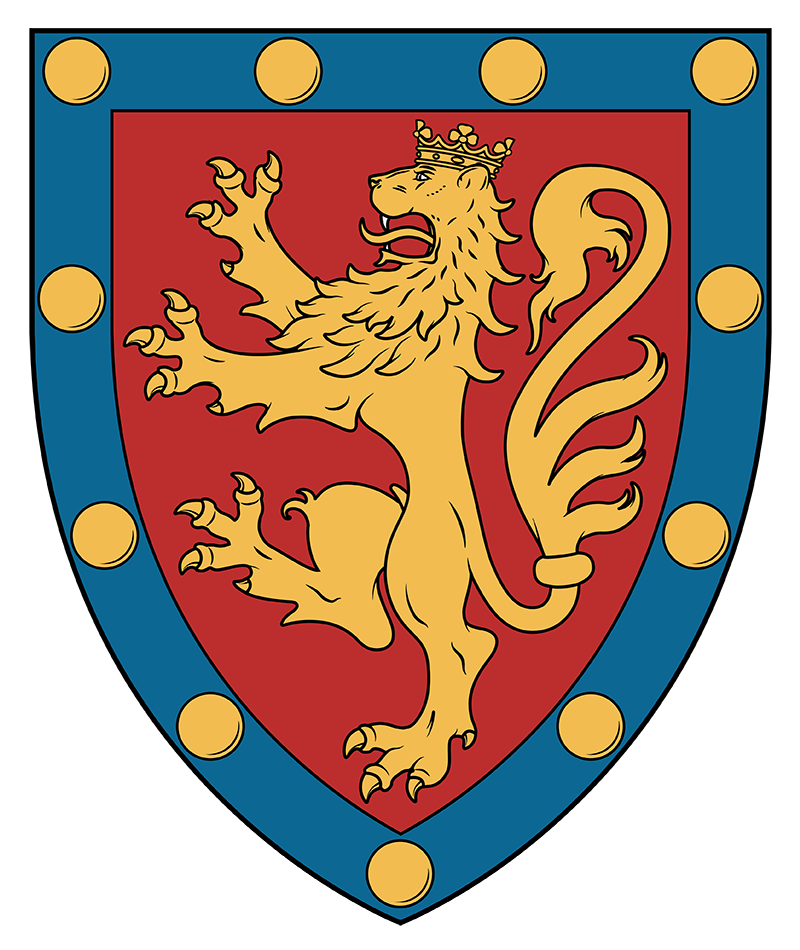

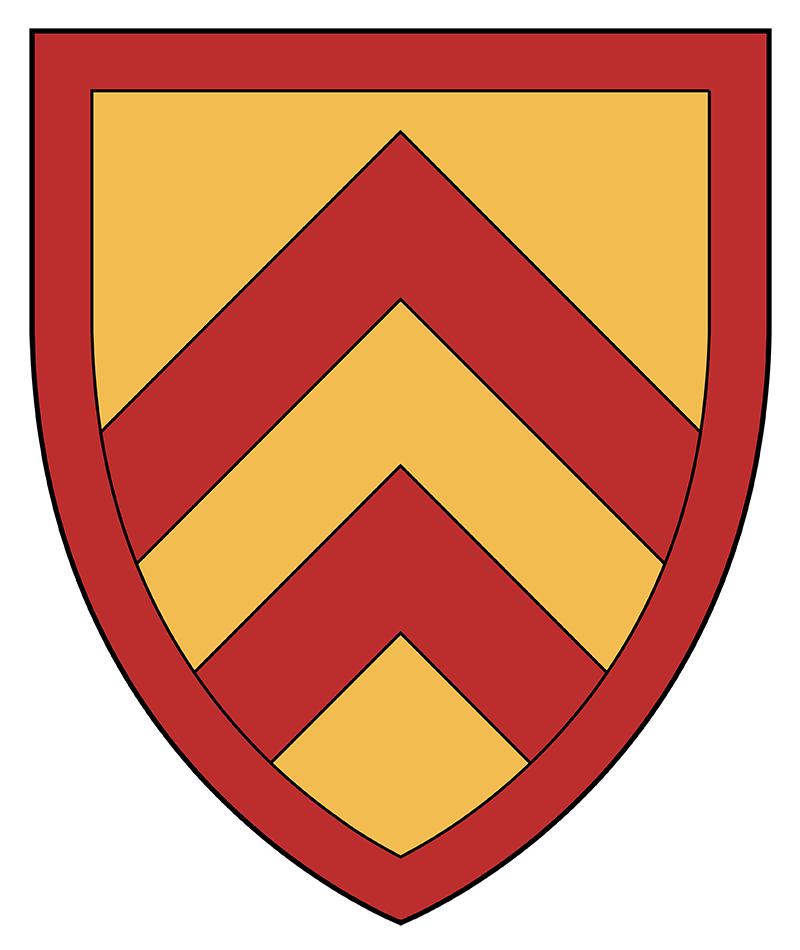

 Reginald de Cornhill
