Siege of Dover Castle (1217)
Background
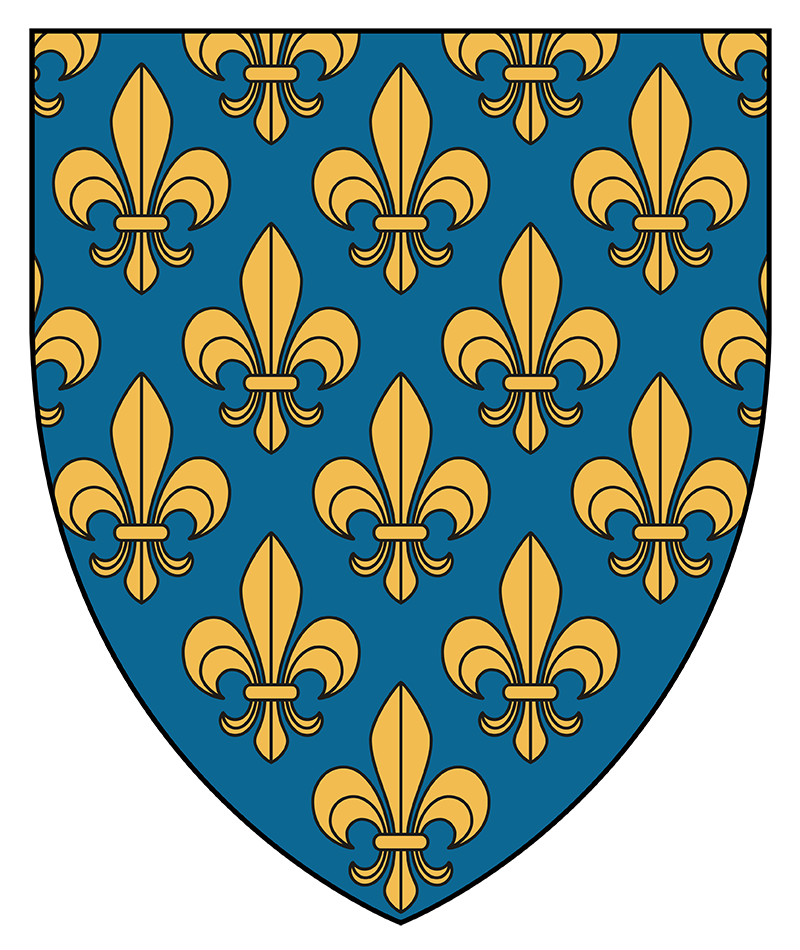
During the First Barons' War, Prince Louis of France returned to Dover Castle in May 1217 to try again after failing to take it the previous year, but Hubert de Burgh was still holding it for the young King Henry III.

The first siege had ended in October 1216 with a truce. Days later, King John died, and his nine-year-old son became King Henry III under the guidance of a regency council. Hubert refused to recognize Louis as king and vowed to hold Dover for the boy. During the winter, Louis campaigned north of London and took Hertford Castle and Berkhamsted Castle, but his position weakened as the new year began.
Early in 1217, Louis decided to return to France for reinforcements. He had to fight his way to the south coast through loyalist resistance in Kent and Sussex, and guerrilla archers led by William of Cassingham, known as "Willikin of the Weald," ambushed him near Lewes and chased him as far as Winchelsea, where he was saved from starvation only by the arrival of a French fleet. In March, William Marshal launched an offensive into Surrey and Hampshire that recaptured numerous strongholds.
Dover's garrison had not been idle. During the truce, Hubert's men repaired the damage to the castle's walls and repeatedly disrupted Louis's communications with France. Hubert even led an unexpected sortie against French reinforcements in the port of Dover, breaking the truce. An English naval force under Philip d'Aubigny also began cutting off the flow of supplies and reinforcements from France.
Battle
Louis returned with fresh troops, but Willikin of the Weald and Oliver FitzRegis were waiting. They attacked and burned the French camp at Dover, which forced Louis to change his plans and land at Sandwich instead, approaching the castle from a different direction. He began the second siege of Dover Castle in earnest on May 12th, 1217.
This time, he brought a new weapon. Louis set up a trebuchet, the first recorded use of one in England. It may have been the siege engine known as Malvoisin, "the bad neighbour." The great engine proved ineffective against Dover's walls, and Louis busied himself building "maisons," possibly fortified positions of some kind. When the French demanded surrender, Hubert refused, vowing to hold the castle for the young king.
Louis could not give Dover his full attention because the war was being fought across England. While he besieged the castle, part of his army was besieging Lincoln Castle. On May 20th, 1217, William Marshal and Fawkes de Breauté attacked and heavily defeated the pro-Louis barons at Lincoln, destroying about half of Louis's army in a decisive turning point of the war.
When the news reached Dover, Louis gave up the siege. His men took down the trebuchet, and he withdrew to London.
Aftermath
Dover Castle had now held out against two sieges, and it never fell to Louis. Hubert's fleet soon took the fight to the sea. On August 24th, 1217, it destroyed a French convoy carrying reinforcements and supplies, led by Eustace the Monk, at the Battle of Sandwich.
After that defeat, Louis gave up his attempt on the English throne and began to negotiate an honorable withdrawal. In September 1217, he signed the Treaty of Lambeth, gave up his claim to be King of England, and returned to France.
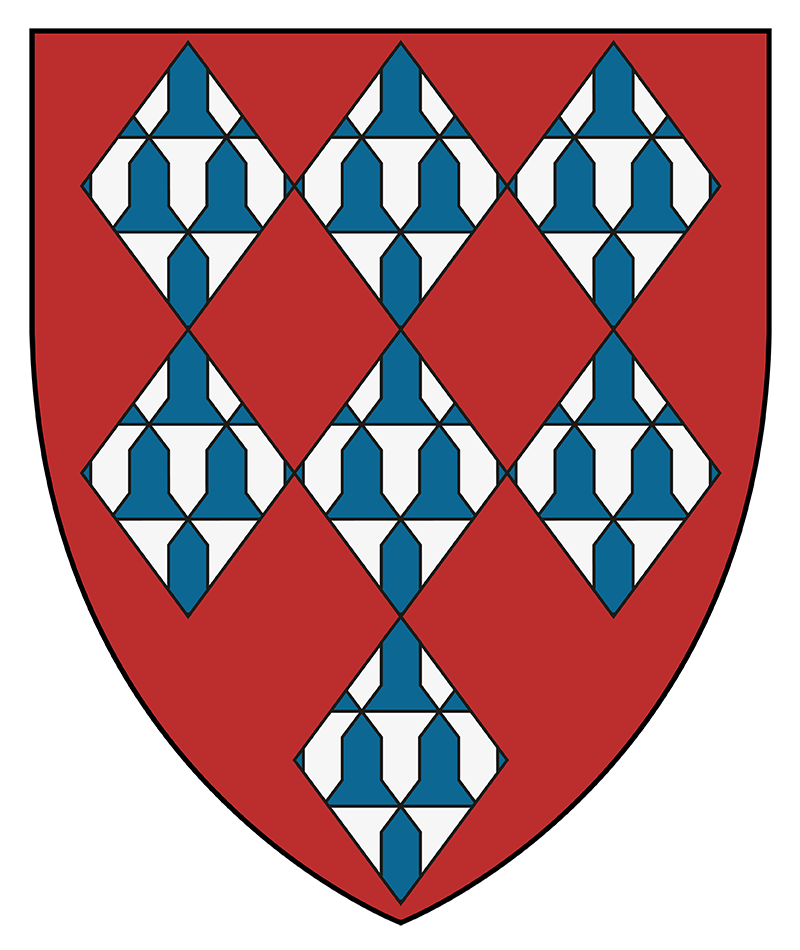

 William of Cassingham