Siege of Dover Castle (1216)
Background
During the First Barons' War, Prince Louis of France besieged Dover Castle in the summer of 1216, but Hubert de Burgh held it for King John.

After the Siege of Winchester, Louis's forces moved through southern England, and a French and baronial army was besieging Windsor Castle. Louis then turned to Dover Castle.
Dover was known as the "Key to England" because it overlooked the narrowest part of the English Channel and the shortest crossing to France. A castle on the cliffs there controlled the main route between England and the Continent.
King John had entrusted the castle to Hubert de Burgh, the Justiciar of England. Hubert was an experienced defender. In 1204-1205, he had held Chinon Castle for a year against Louis's father, King Philip II of France. At Dover, he commanded a garrison of 140 knights and more than 140 sergeants.
In 1216, the main entrance to the castle was a twin-towered gatehouse at its northern end. It was protected by a barbican, an outer defense built behind a deep ditch and a stockade of great oak posts.
Battle
Louis arrived in the Dover area in mid-to-late July 1216, and sources vary slightly between July 19th and 25th. At first he hesitated, camping in and around the town while he studied the castle's defenses. The garrison provoked him by parading in full armor outside the northern barbican, and when a French crossbowman came too close, a sortie captured him.
The formal siege began shortly afterward, around July 22nd. Louis divided his forces, placing part in the town and part on the high ground north of the castle, and used his fleet to blockade the sea. His men bombarded the gateway with stone-throwing engines called perriers and mangonels, while crossbowmen shot down at the defenders from a tall siege tower built of hurdles, or woven wooden panels.
Under the cover of a "cat," a hut on wheels, Louis's miners reached the barbican ditch and undermined the stockade. The attackers poured through the gap, captured the barbican, and killed its commander.
Louis then set his miners to dig under the main gatehouse. One of its towers collapsed, leaving a steep ramp of rubble. Louis's men stormed the breach and broke into the outer bailey. A bloody struggle followed, but Hubert's men gradually killed or drove back the attackers.
The defenders quickly repaired the damage. Behind the breach, they built a barricade of boulders, timber crossbeams, and heavy oak posts.
The siege continued into the autumn. Louis received reinforcements and the homage of King Alexander II of Scotland, who came south to meet him at Dover and do homage for his lands in northern England.
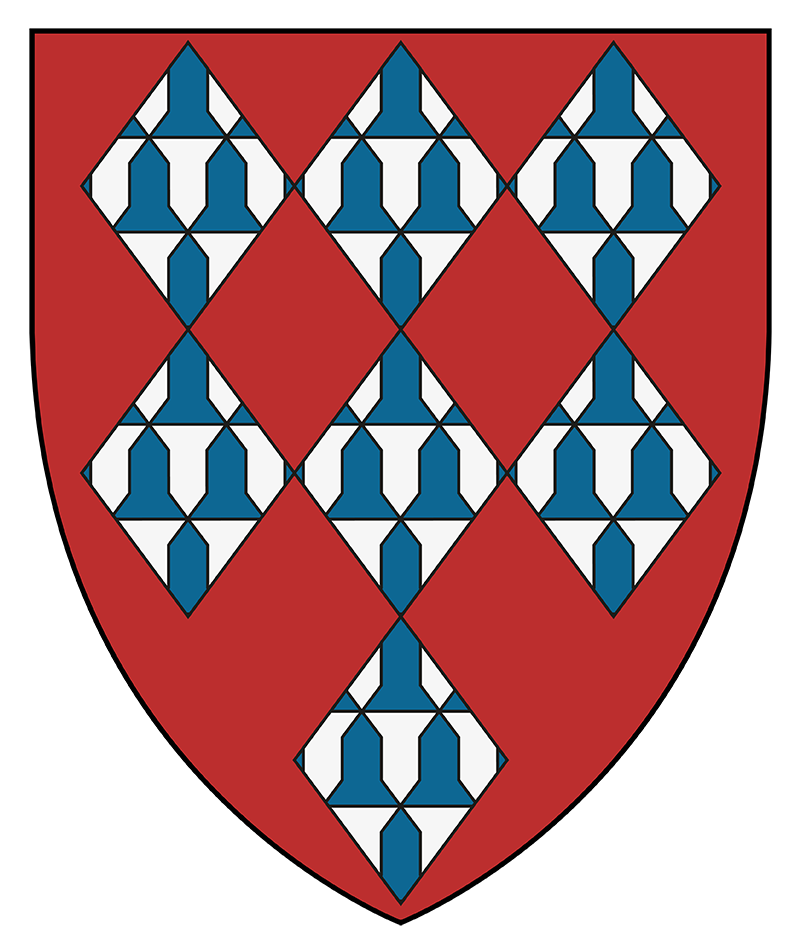
Meanwhile, guerrilla attacks by the men of the Weald, led by William of Cassingham, known as "Willikin of the Weald," harassed the French communications and supply lines.
By October, Louis had still failed to take the castle. On October 14th, 1216, he agreed to a three-month truce with Hubert and withdrew to London.
Aftermath
While Louis was in London, news arrived that King John had died on October 18th. John's nine-year-old son, Henry III, became king, and William Marshal led a regency council. Louis's supporters tried to persuade the Dover garrison to recognize Louis as king, but Hubert refused and vowed to hold the castle for the young king.
Dover Castle, along with Windsor Castle, was one of the few strongholds that held out against Louis and the rebel barons. Hubert's engineers repaired the castle's defenses. Louis spent the winter campaigning north of London, where he took Hertford Castle and Berkhamsted Castle, and he returned to Dover in May 1217 for a second siege.
 William of Cassingham