Sieges of Berwick (1355 - 1356)
Angus, March, and Edward III
Background
Berwick-upon-Tweed changed hands several times in the Scottish wars, and in 1355 and 1356, it did so twice in just over two months. In November 1355, the Scots captured the town by surprise while the English army was away in France, and in January 1356, Edward III came north, and the Scots handed it back without a fight. The English held the castle throughout.

Norham Castle, up the Tweed from Berwick. A counterattack from Norham was routed in 1355.
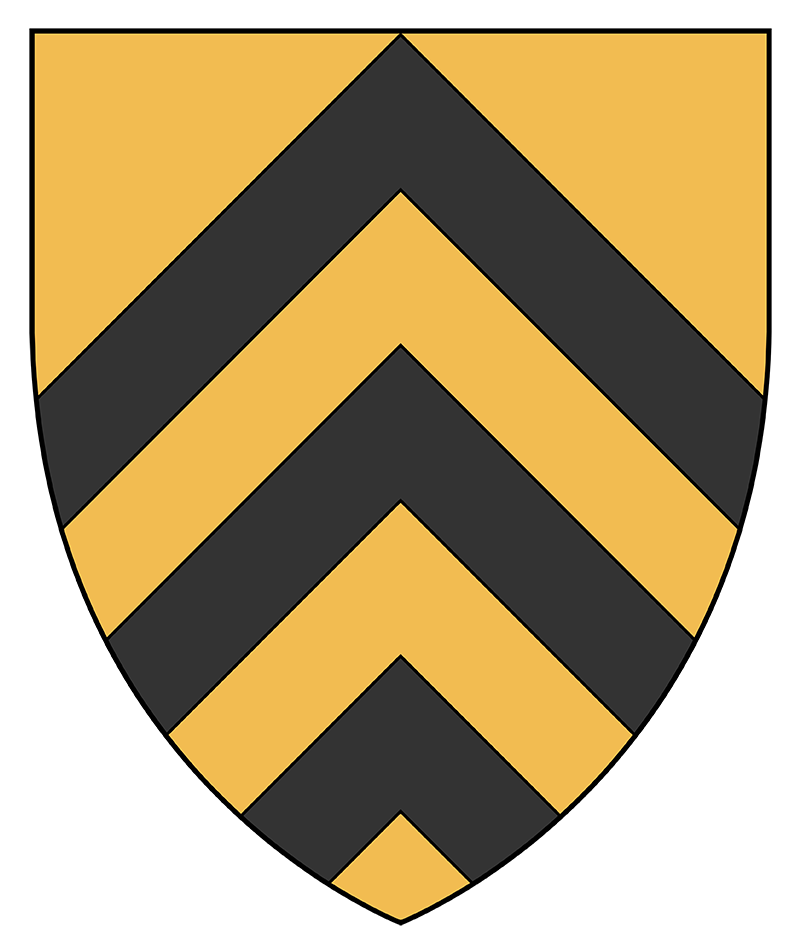
David II had been a prisoner in England since Neville's Cross in 1346, and in 1355, France urged the Scots to attack under the Auld Alliance, while Edward III was campaigning in France. In September, the two sides agreed to a nine-month truce, and many of the English border garrison went to France. Berwick's commander, William de Greystoke, 2nd Baron Greystoke, left without the king's orders to join Edward's expedition. A few days later, the Scots received 40,000 gold écus from France, broke the truce, and invaded Northumberland with fewer than 2,000 men. An English counterattack from Norham Castle was routed in the Battle of Nesbit Moor. Edward heard the news on October 20th, but he continued his campaign in France.
The Siege
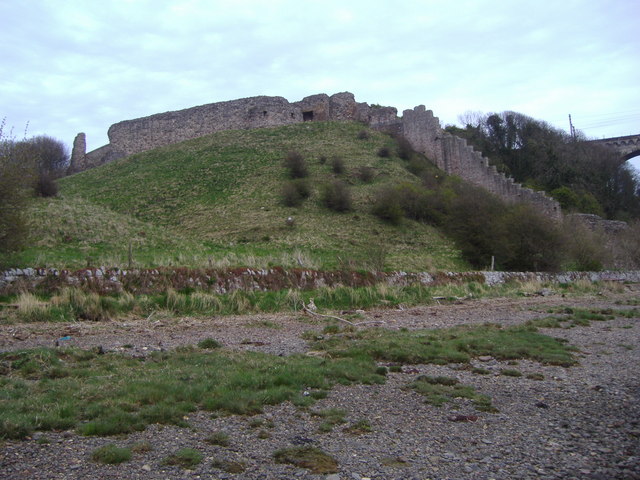
The ruins of Berwick Castle.
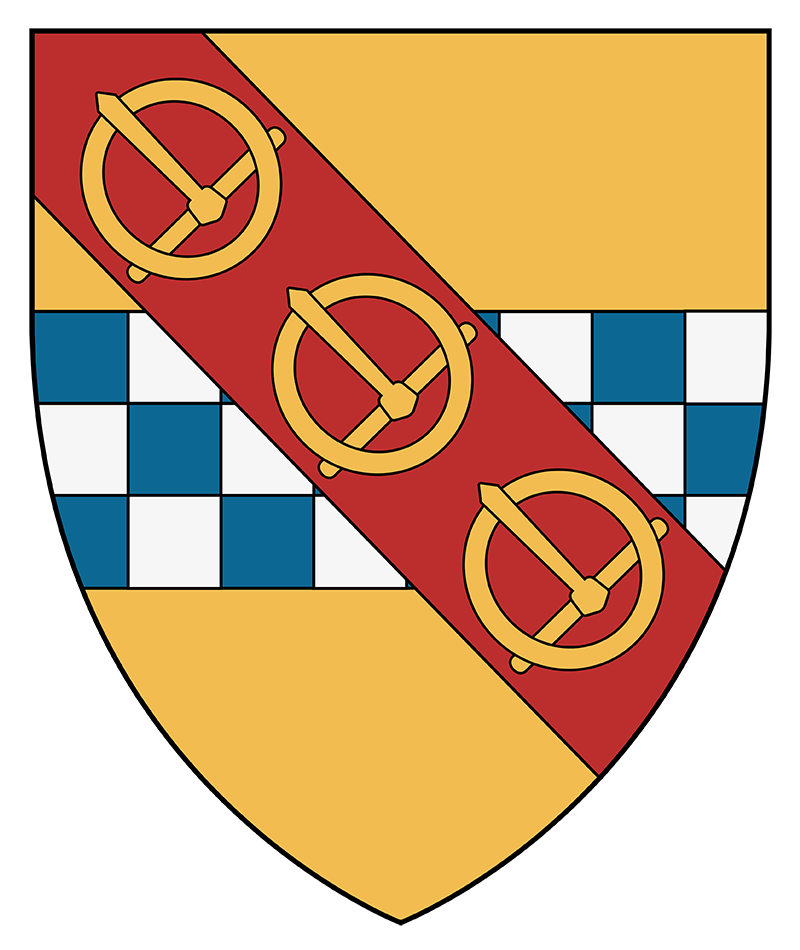
In late October, Thomas Stewart, Earl of Angus, and Patrick Dunbar, Earl of March, gathered a small force of Scots and French and boats to carry them. After six days of training, they landed by boat at night and escaladed the walls of Berwick shortly before dawn on November 6th. The town fell in Greystoke's absence, since the garrison was too short-handed to hold the walls, and it was pushed back toward the castle, where the soldiers and the townspeople took refuge, and the Scots looted the town.
The castle was already strongly held, and John Coupland, who had captured David II at Neville's Cross, reinforced it with part of the Roxburgh garrison. Robert Stewart, the Guardian of Scotland, directed the siege himself. A fortified bridge ran between the town and the castle, and it was defended on the town (east) side by the Douglas Tower, which was later known as Percy's Tower. The English held the tower at first, but the Scots took it in a later assault. They then tried to mine the castle walls and made more attacks, but they could not take the castle.
The English Return

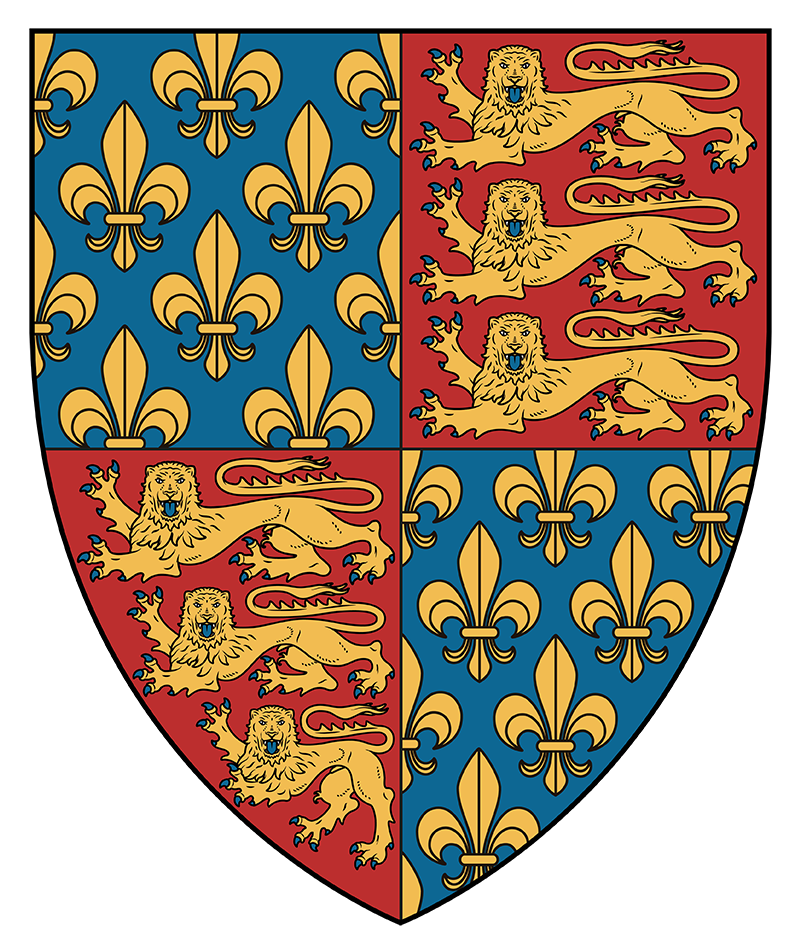
Accounts differ on when Edward heard about Berwick, either during talks with the French in Picardy or after he landed in England on November 12th, but he cut short his French campaign and went north. By December 24th, he was at Newcastle, where an army and a supply fleet were gathering, and the army left Newcastle on January 6th, 1356. Sir Walter Mauny went ahead with 120 miners. By then, most of the Scottish assault force had gone home, and the French men-at-arms had returned to France, leaving only 130 men in the town, too few to hold its walls. A contemporary source said that the Scots could expect no relief "by reason of the discord of the magnates."
Mauny's miners tunneled toward the walls while he prepared combined assaults by land and sea. Edward arrived with the main army on January 13th. The Scots offered to parley, and Edward allowed them to leave, taking whatever plunder they could carry. He did not need a battle to get the town back.
Aftermath
Edward moved up the Tweed to Roxburgh, and on January 20th, Edward Balliol gave up his claim to the Scottish crown in return for a pension. On January 26th, the army set out for Edinburgh and devastated Lothian in a belt 50 to 60 miles wide, in what became known as Burnt Candlemas. The Scots refused battle and burned their own food, and a storm scattered Edward's supply ships, so he withdrew through Moffat to Carlisle, and the army was disbanded there at the end of February. A partial truce was agreed on April 18th, 1356.
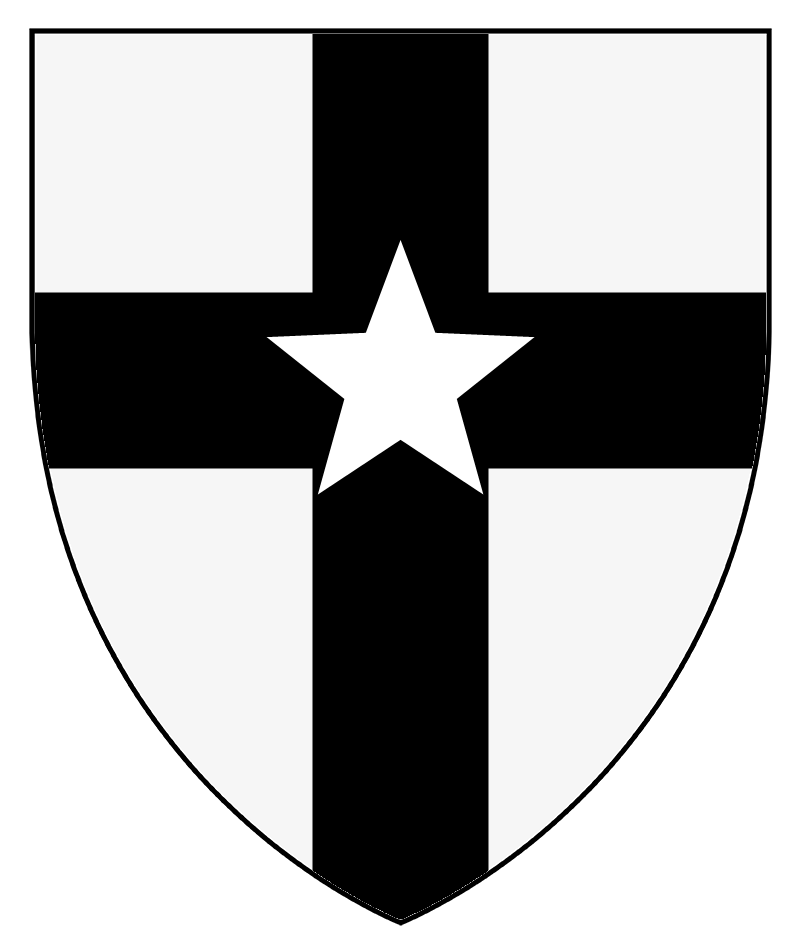
Greystoke was later pardoned, in February 1358, after it was shown that he had left Berwick to serve with the king throughout the French campaign, and Queen Philippa spoke up for him.
The English victory at Poitiers in September 1356 left France unable to help the Scots, and the Treaty of Berwick in 1357 released David II for a ransom and ended the war.