Knaresborough Castle
History
Knaresborough Castle resides on an outcrop overlooking the town of Knaresborough and Nidd Valley in North Yorkshire, England. The first reference to the castle occurred in 1130, during the reign of Henry I, when it was recorded in the royal Pipe Rolls that 11 pounds were spent on the castle by its custodian Eustace FitzJohn.
The castle later played a historical role in 1170 when its owner Hugh de Morville fled to it after taking part in the infamous murder of Archbishop Thomas Becket in Canterbury Cathedral. He was joined there by the other three knights who took part in the murder, Reginald FitzUrse, William de Tracy, and Richard le Breton. The four men stayed at the castle for almost a year before leaving England for Rome.
Knaresborough Castle was owned by royalty through the 15th century. King John, who used the castle as one of his main administrative strongholds in Northern England, spent about £1,290 on improvements and upkeep. In 1210, while staying here during Holy Week, he distributed the first recorded Royal Maundy alms. In addition to the castle, he adored hunting in the forest of Knaresborough. The castle was held for the king during the First Barons' War in 1215-1216.

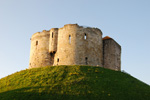
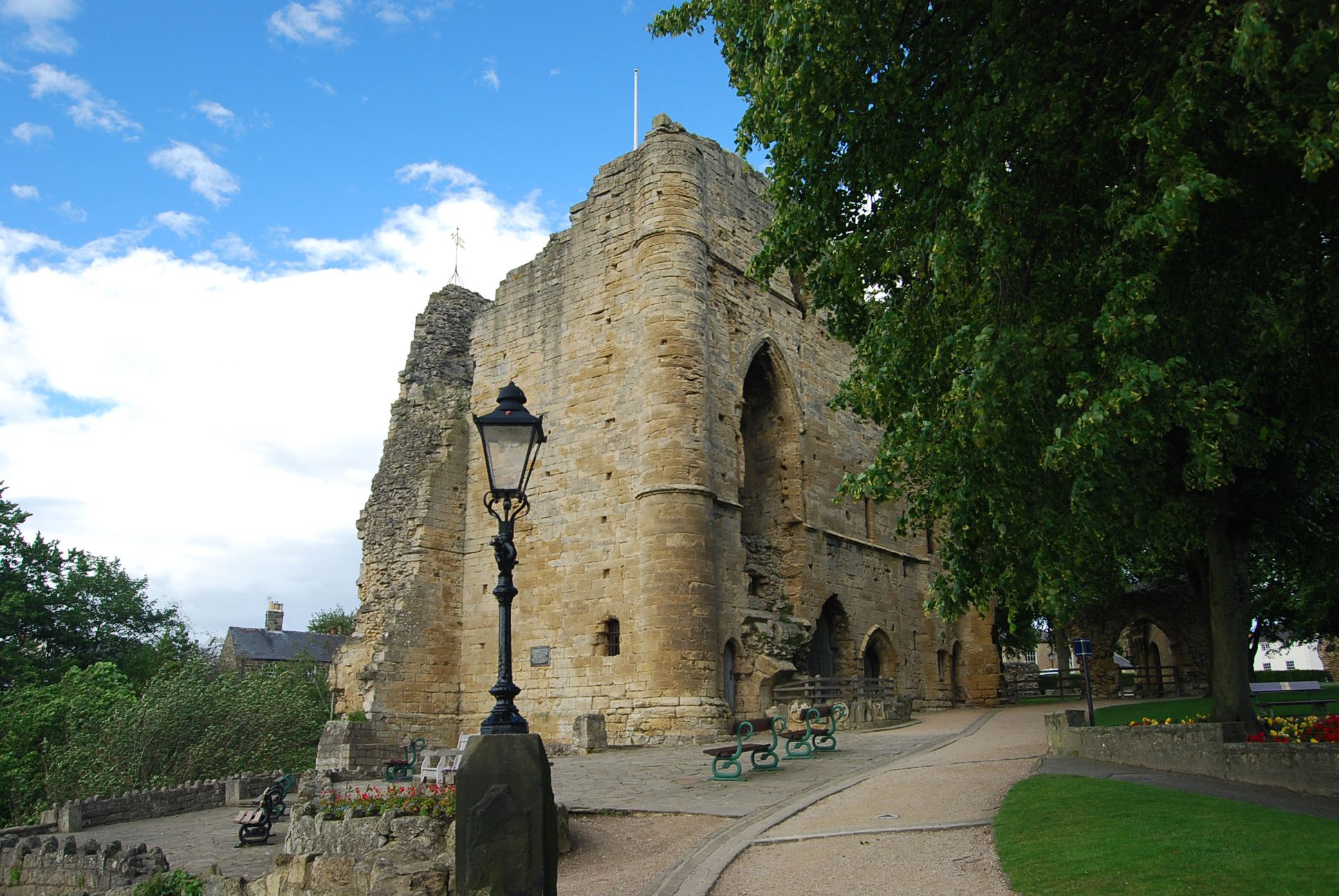
The King's Tower, built about 1310.
The castle was rebuilt by Edward I and completed by Edward II between 1307 and 1312 at a cost of £2,174, including the construction of the Great Keep or King's Tower in 1310. Edward II gave the castle to Piers Gaveston, his favorite Nobleman, and stayed at the castle himself when the unpopular Gaveston was besieged at Scarborough Castle.
In 1317, John de Lilburn seized Knaresborough Castle for Thomas of Lancaster. Thereafter followed a three-month siege during which a siege engine breached one of the castle walls and allowed the castle to be retaken for the king. In 1318, a raiding force of Scots burnt much of the town of Knaresborough to the ground, but most of the citizens were able to take refuge in the castle.
After Queen Philippa, the wife of Edward III, received the Honour and Castle of Knaresborough as part of the marriage settlement in 1331, she transformed the castle into a proper royal residence while spending many summers there.
In 1372, John of Gaunt, Duke of Lancaster, exchanged his lands in Richmond for the Honour and castle of Knaresborough, and the castle became part of the Duchy of Lancaster. When he died in 1399, King Richard II confiscated his lands and banished his heir, Henry Bolingbroke. When Henry deposed King Richard and became King Henry IV, he held Richard at Knaresborough Castle for one night before moving him to Pontefract Castle, where Richard would meet his end.
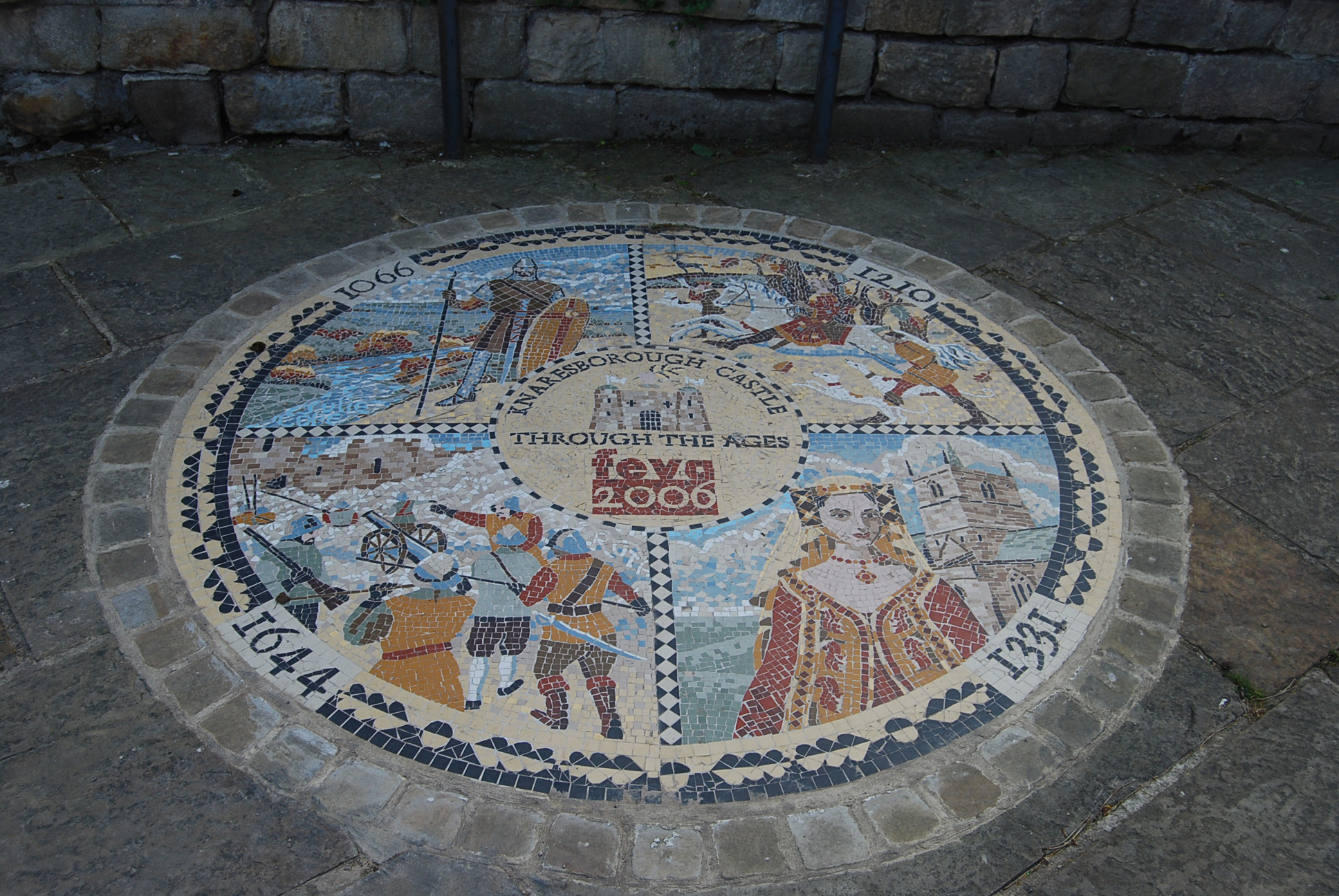
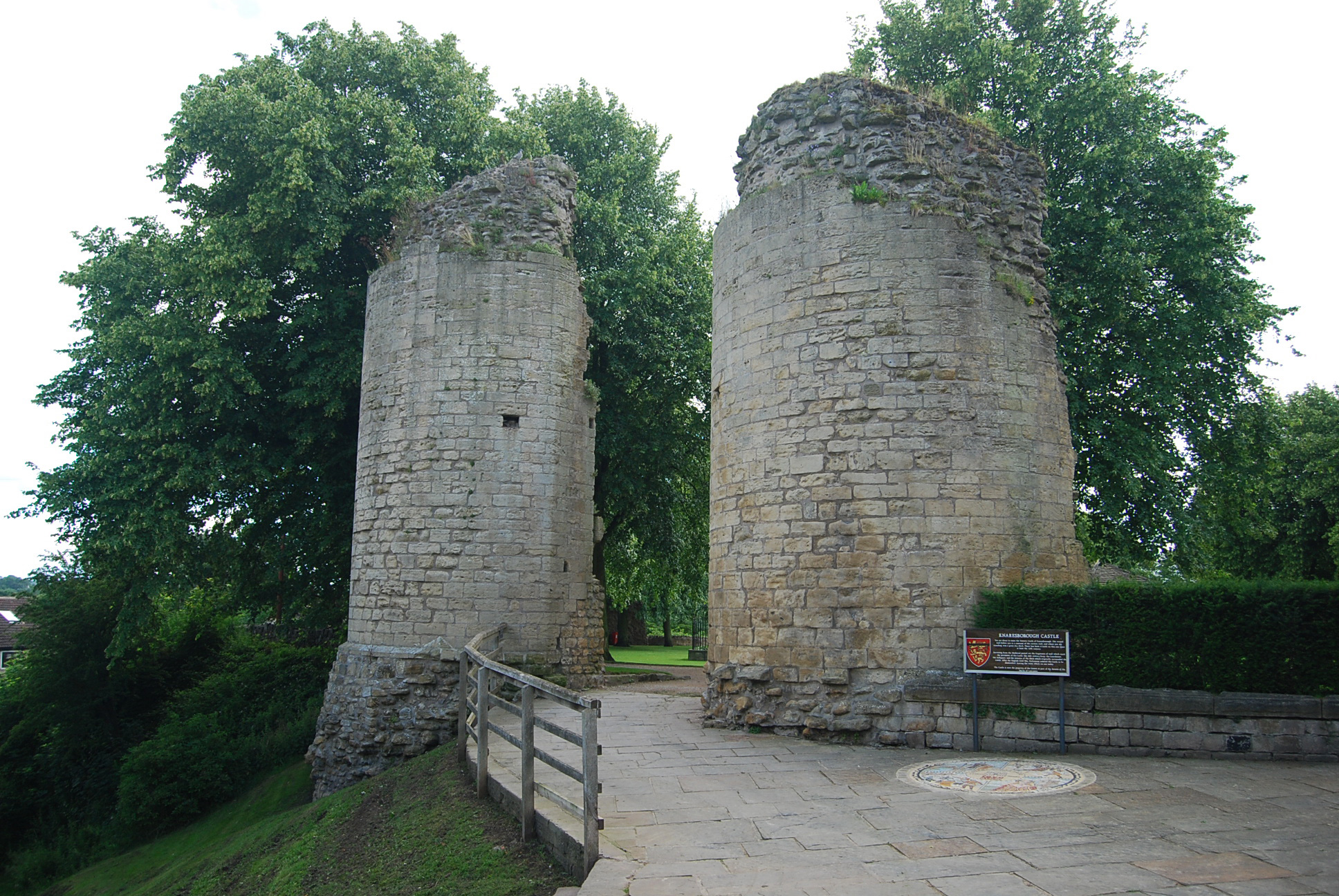
A mosaic in the castle grounds.
In 1644, Knaresborough Castle was held during the English Civil War by Royalists and besieged by Parliamentarian forces after the Royalist defeat at Marston Moor. The Royalists surrendered on December 20th after cannon fire breached part of the curtain wall. Parliament ordered the destruction of many castles in 1646, and Knaresborough Castle was slighted in 1648 to keep it from being defendable again. However, the King's Tower and courthouse were left intact after townsfolk convinced Parliamentarians to permit the use of the tower as a prison.
Castle Highlights
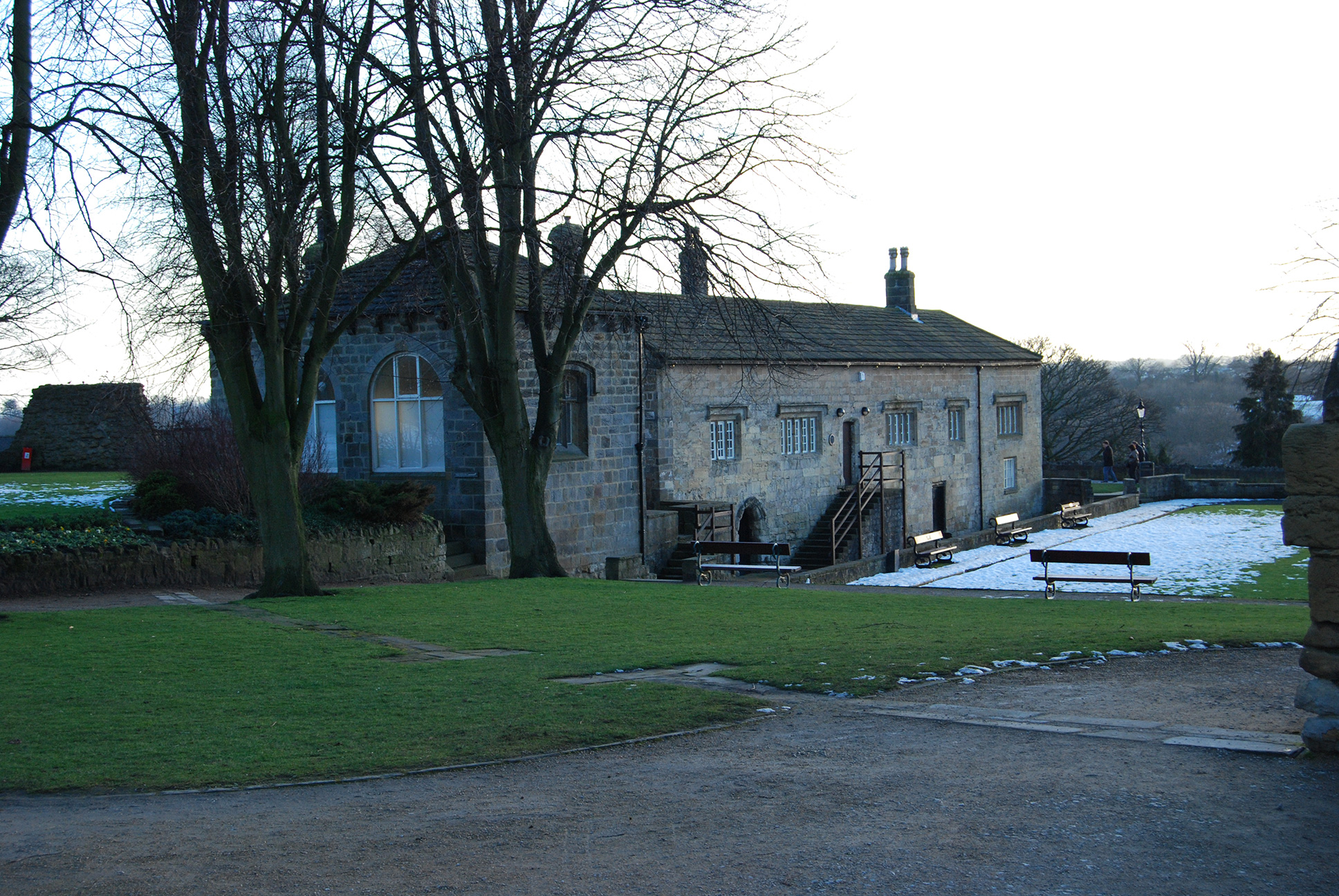
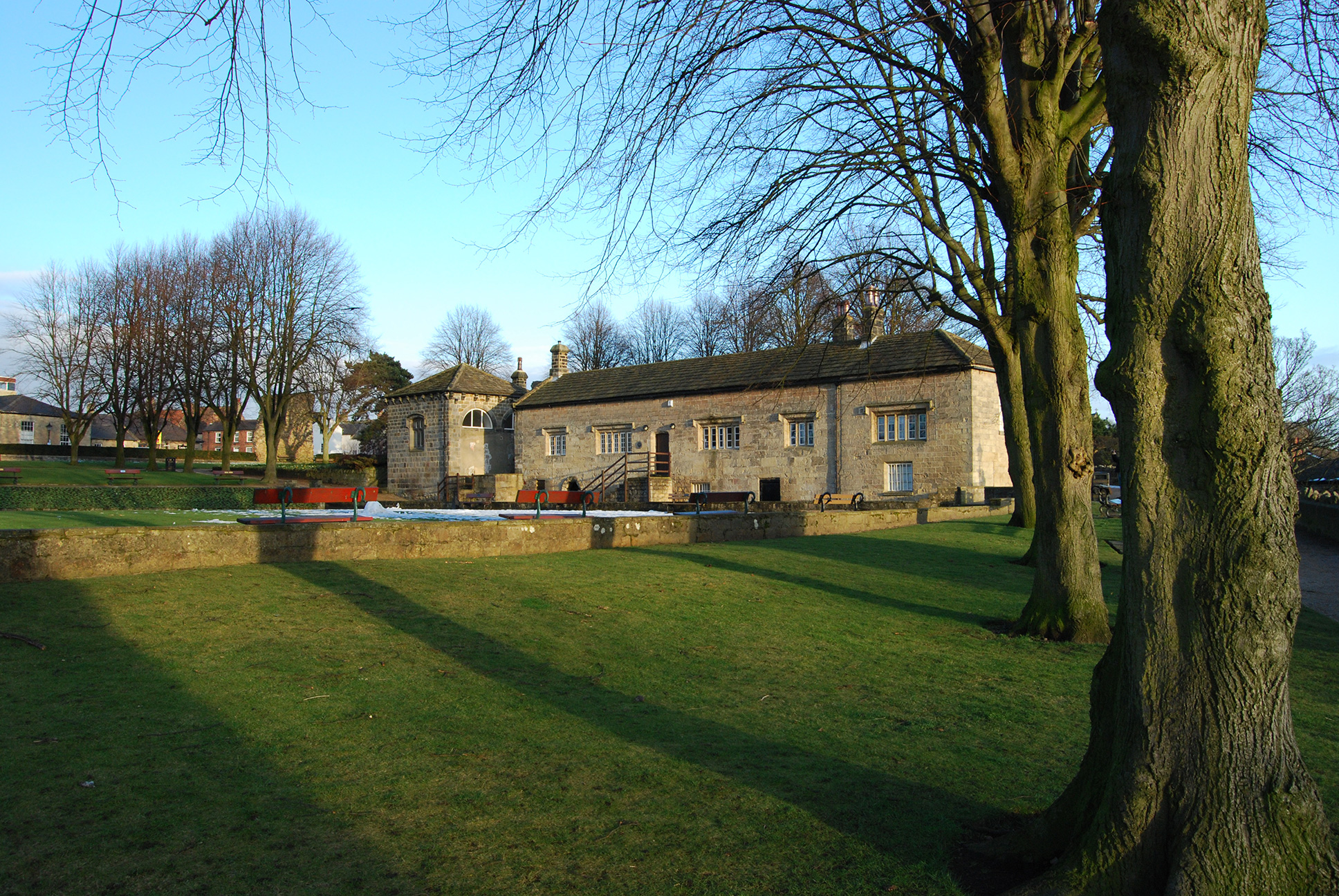
The courthouse, now part of the museum.
Knaresborough Castle is a special place to me as I lived in Knaresborough for three years and could see it from my house. I spent many an afternoon walking around the castle gardens. Though just a ruin now, plenty of attractions still make it worthwhile. A visit includes the Tudor courthouse, which contains furniture from the 15th century. The Courthouse Museum includes tales of local characters such as Blind Jack, Guy Fawkes, and Mother Shipton.
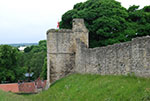
While most of the original curtain wall is gone, a smaller containing wall was constructed for safety purposes. Some small towers remain, particularly where the gatehouse once stood. At the castle, a relatively new attraction regarding the Knaresborough ravens began a few years ago. It allows visitors to interact with and view ravens up close.
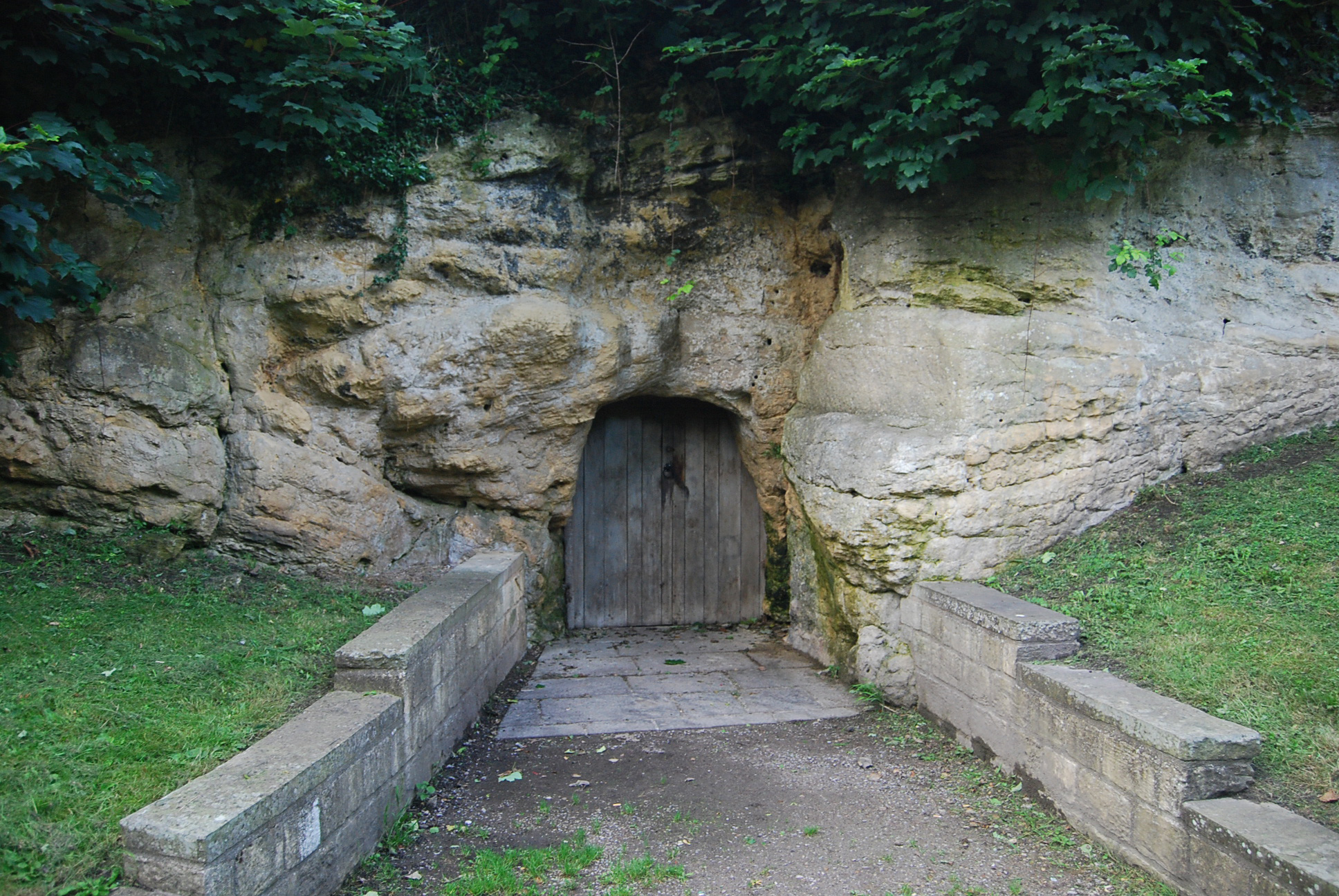
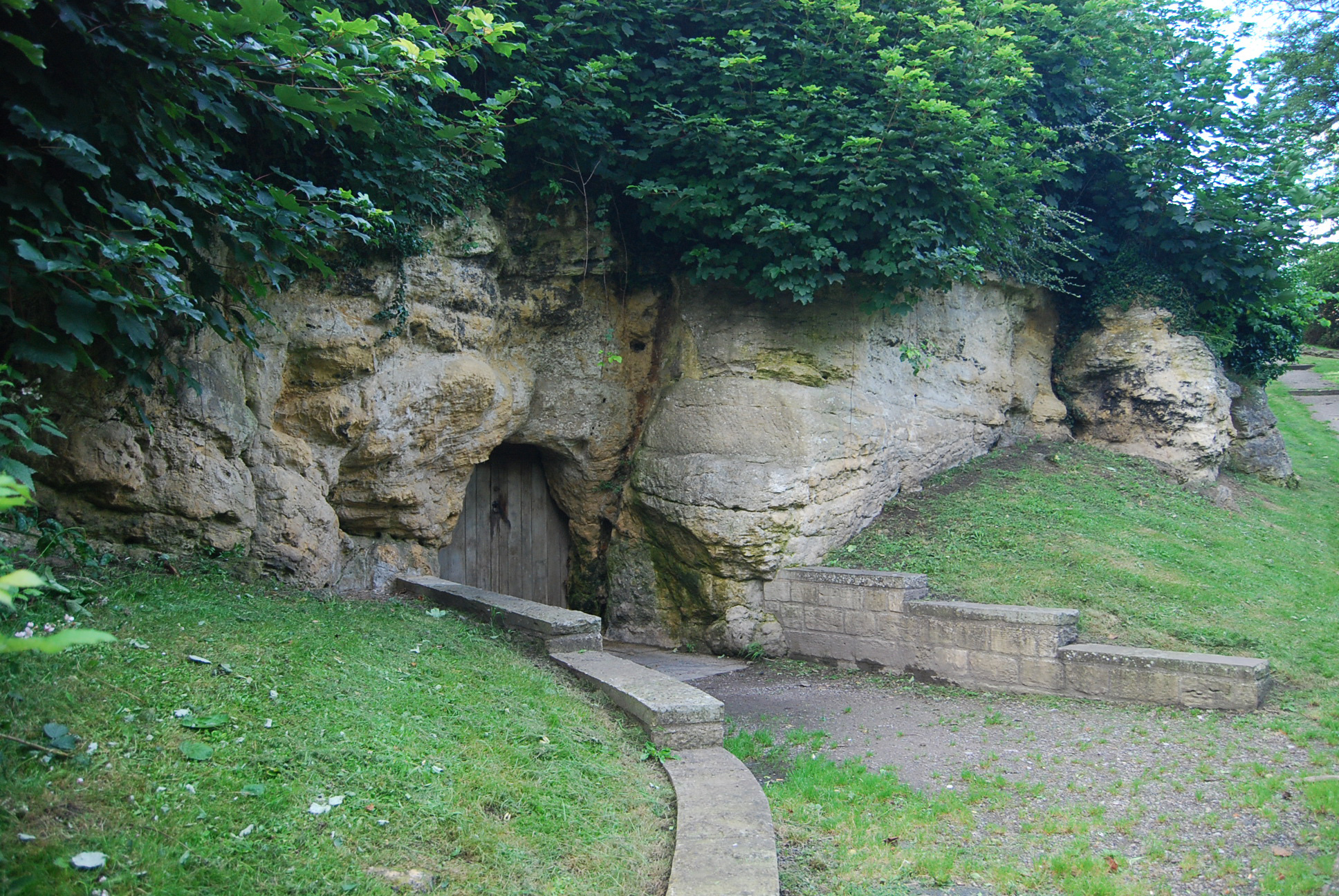
The sallyport exit below the cliff.
The castle has secret parts, including tunnels leading through solid rock and coming out below the castle through a sallyport. These tunnels allowed an easy escape route should the castle ever come under attack. However, the highlight of any visit is the approximately 700-year-old King's Tower, which includes a dungeon and cellar area.
Knaresborough Castle is also haunted.