Invasion of Normandy
Background
The Great Revolt grew out of family and political tensions within the Angevin Empire. King Henry II of England ruled Normandy and Anjou, while his wife Eleanor controlled Aquitaine.
Henry granted three castles to his youngest son John, infringing on Young Henry's expected inheritance. Henry the Younger and his brothers Richard and Geoffrey rebelled against their father, joining Henry II's rivals: King Louis VII of France, Philip of Flanders, and King William the Lion of Scotland.
In March of 1173, Henry the Younger withdrew to his father-in-law Louis VII's court in Paris, and his brothers Richard and Geoffrey soon joined him.
Henry the Younger and his allies chose Normandy as the rebels' strategic priority because it was the linchpin of Henry II's empire, and Rouen was a key military target and administrative center.
Henry the Younger assembled a coalition, promising lands and revenue in exchange for support. With this backing in place, the assault against Henry II began in May of 1173.
Battle
The rebels devised a three-pronged advance against Normandy to overthrow Henry II.
Northeastern Attack:
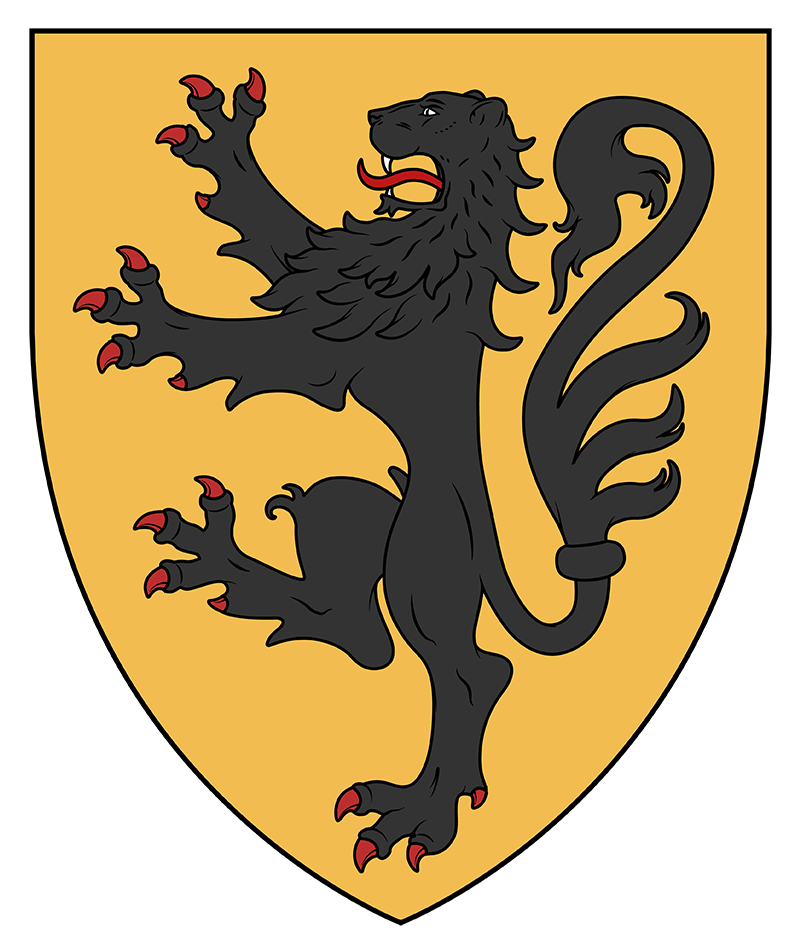
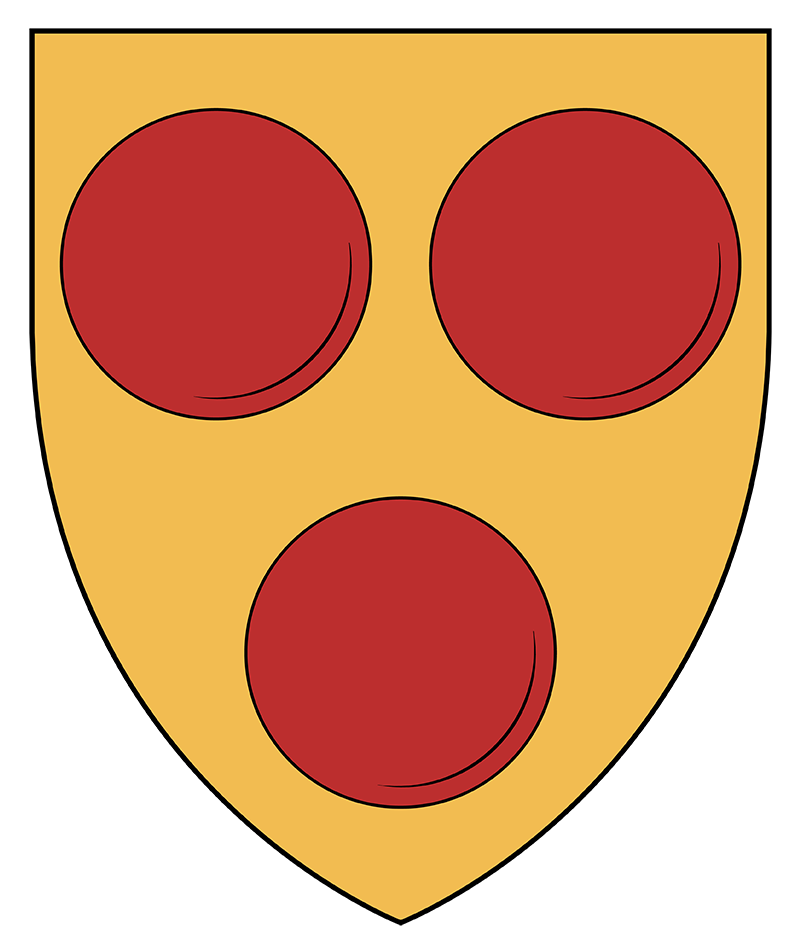
Philip of Alsace, Count of Flanders, and his brother Matthew of Alsace, Count of Boulogne, advanced into Normandy with Henry the Younger in June 1173. They captured Aumale and then Drincourt/Gournay after a long siege, where Matthew of Alsace was wounded by a crossbow bolt and died roughly two weeks later. Henry II's forces repelled the invasion.
Southern Attack:
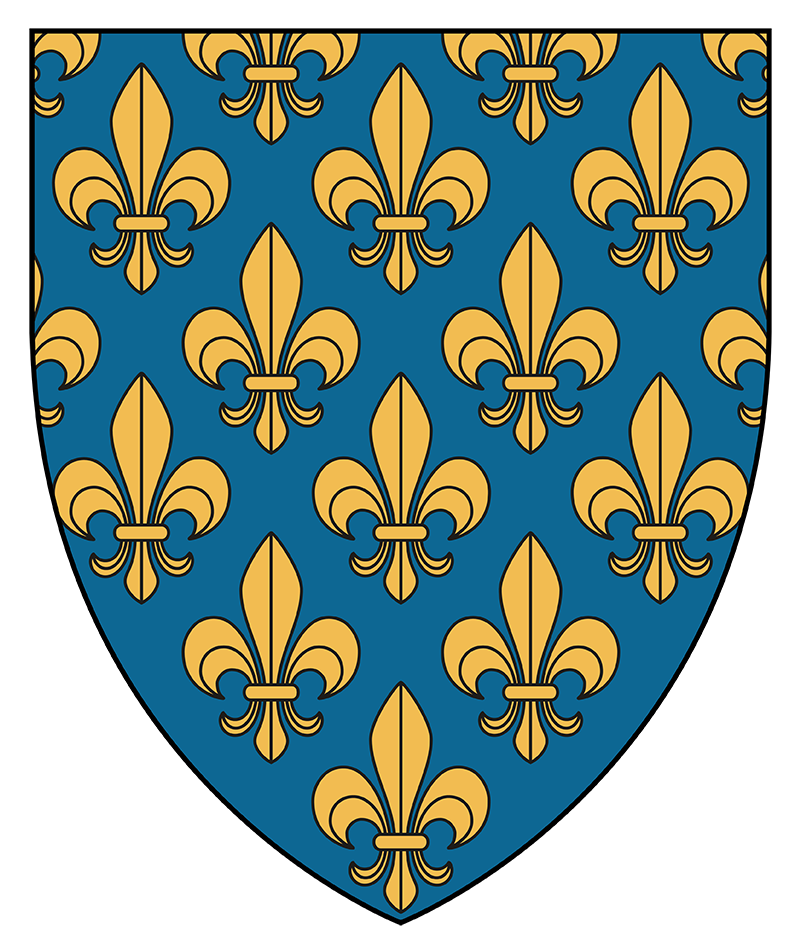
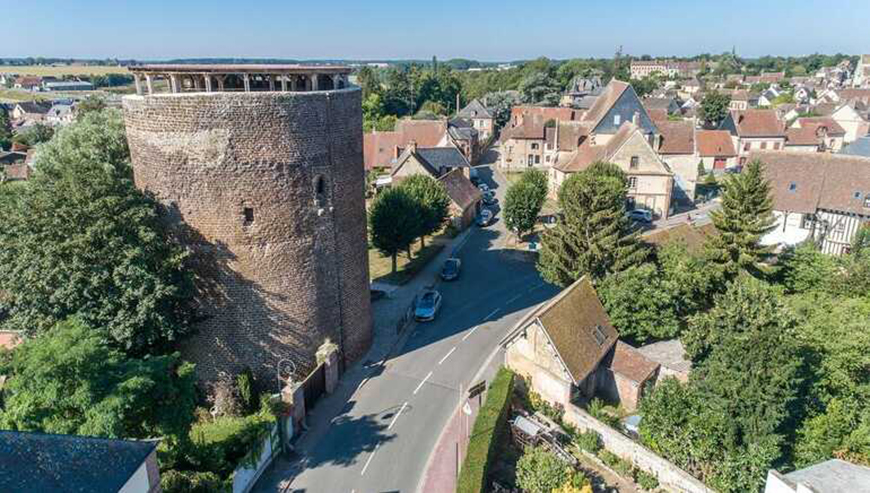
King Louis VII of France and Henry the Younger attacked from the south along the Avre Valley, focusing on Verneuil. The siege of Verneuil lasted into the summer. When Henry II marched to relieve the siege, Louis VII withdrew in disorder. Henry's forces pursued them and inflicted heavy losses on the French rearguard. Verneuil was burned and damaged in the fighting.
Western Attack:
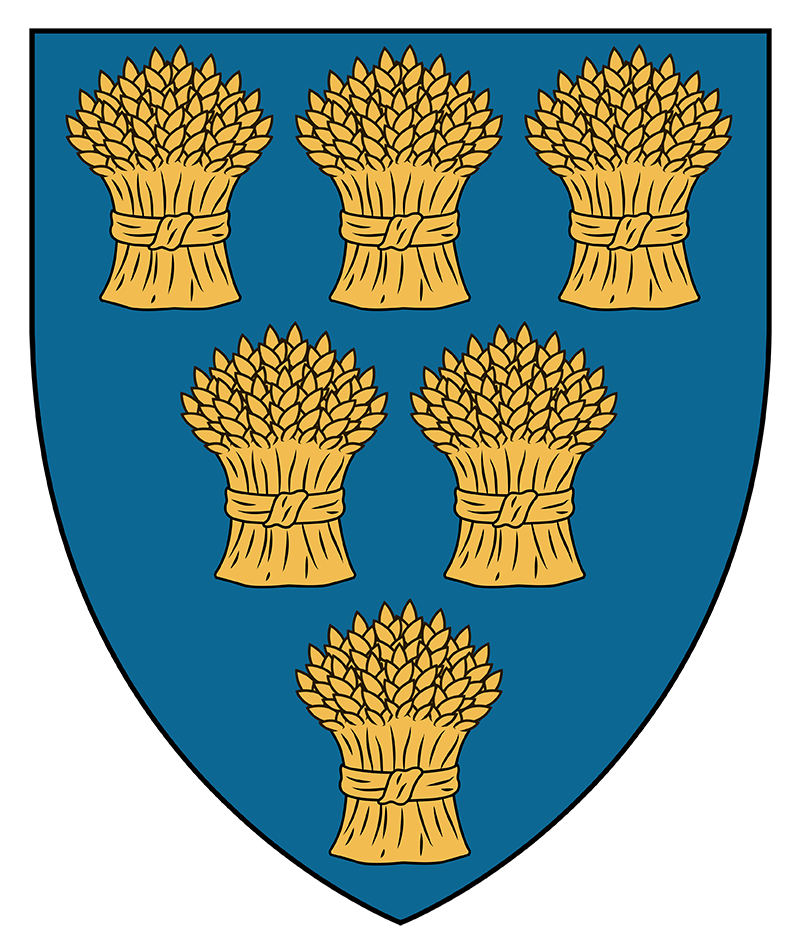
Breton rebels under Ralph de Fougères and Hugh de Kevilioc, 5th Earl of Chester, attacked from Brittany toward Avranchin and Dol. Henry II then dispatched household knights and Brabantine mercenaries, who routed the Bretons near Dol around August 20th, 1173. The survivors took refuge in Dol Castle.
Henry II marched from Rouen with siege equipment and reached Dol by August 23rd, 1173. The castle surrendered by August 26th. Many rebels, including Hugh of Chester, were captured.
Aftermath
Each of the three attempts to overtake Henry II in Normandy failed. Contemporary accounts show that Henry II's mobile mercenaries and loyal garrisons were more effective than the rebels' slower feudal armies.
By autumn 1173, the threat to Henry II in Normandy had been contained. Negotiations produced no lasting settlement between Henry II and his sons, and the Great Revolt continued into England at the Battle of Fornham.