Siege of Barnard Castle (1216)
Background
During the First Barons' War, Alexander II of Scotland marched south in the summer of 1216 to support the rebel barons and Prince Louis of France. On the way, his army besieged Barnard Castle in County Durham, held for King John by Hugh de Balliol. The siege failed when Alexander's brother-in-law, Eustace de Vesci, was shot dead outside the walls.

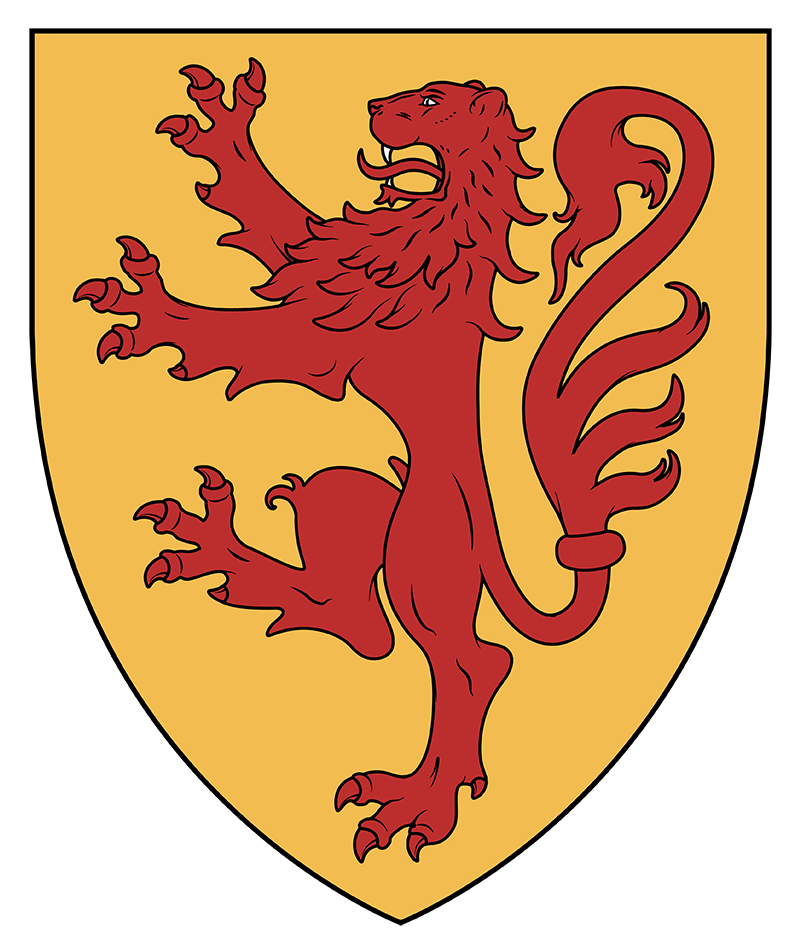
Barnard Castle stands on a cliff above the River Tees, guarding a strategic crossing point. Guy de Balliol began the castle in the late 11th or early 12th century, and his nephew Bernard de Balliol and Bernard's son rebuilt it in stone, until it became one of the largest castles in northern England. By 1216, it was held by Hugh de Balliol, who had inherited the Balliol lordships of Bywell, Barnard Castle, and Gainford around 1209. Hugh and his brother Bernard, who died around 1212, were staunch supporters of King John.
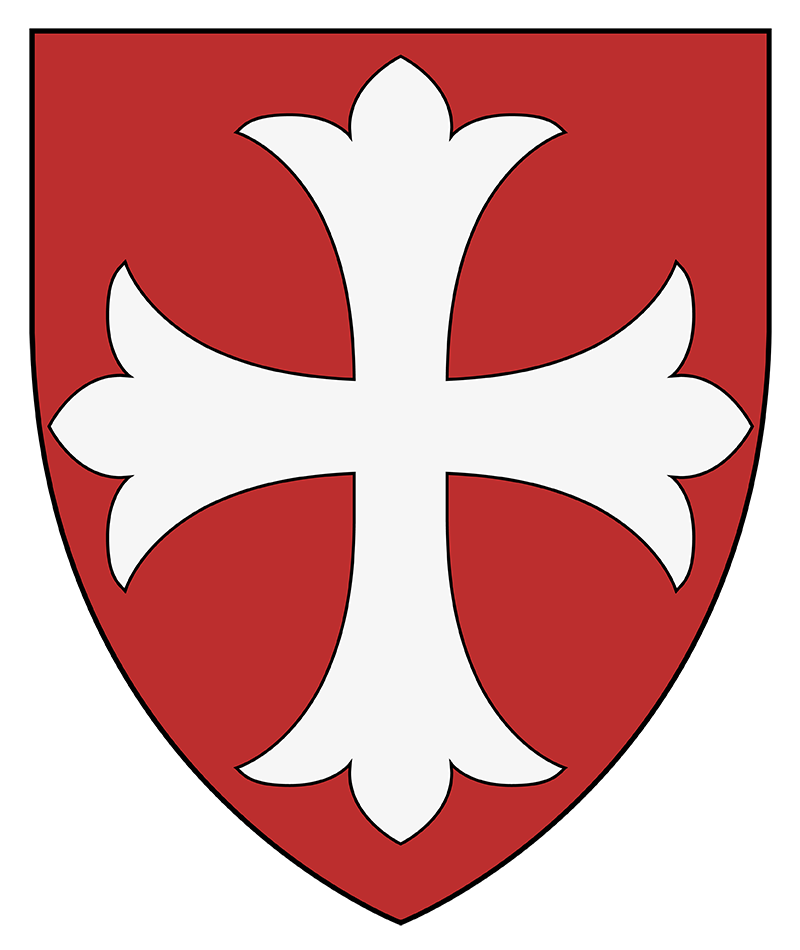
The northern barons had risen against John in 1215, and Eustace de Vesci, lord of Alnwick Castle, was one of them. He was one of the twenty-five sureties appointed to enforce Magna Carta, and in 1216, the pope excommunicated him by name. Eustace was also married to Margaret, an illegitimate daughter of William the Lion and half-sister of King Alexander II of Scotland, so the Scottish king was his brother-in-law.

The River Tees at the foot of the castle cliff.
Alexander had already invaded England once. In October 1215, he took the homage of the rebel barons of Northumberland and besieged Norham Castle for forty days without success. King John answered with a winter campaign through the north. He stayed at Barnard Castle in January 1216 and burned Berwick that month. After John returned south, Alexander resumed his own campaign in the summer of 1216 and captured the town of Carlisle on August 8th. He then marched south to meet Prince Louis, who had landed in Kent in May and now held London.
Siege
The Scottish army's road south led past Barnard Castle on the Tees, and Alexander stopped to besiege it with his army, which was reinforced by northern rebel barons including Eustace de Vesci. Hugh de Balliol's garrison was inside, and he had recently strengthened and modernized the castle's defenses. The Balliols had been King John's men for years.

The North Gate of Barnard Castle.
The siege did not last long. While Eustace was close to the walls, a crossbowman in the garrison shot him through the head, and he died of his wound. Most accounts place the siege in or around August. The death of his brother-in-law ended the siege, and Alexander abandoned it and continued south. It was a serious blow to the northern rebel and Scottish cause.
Aftermath
Alexander continued south. In September 1216, he joined Prince Louis at Canterbury and paid homage to him, perhaps for Lothian and the northern counties he hoped to hold. Barnard Castle had held out against the Scots, and in October 1216, King John died of dysentery.
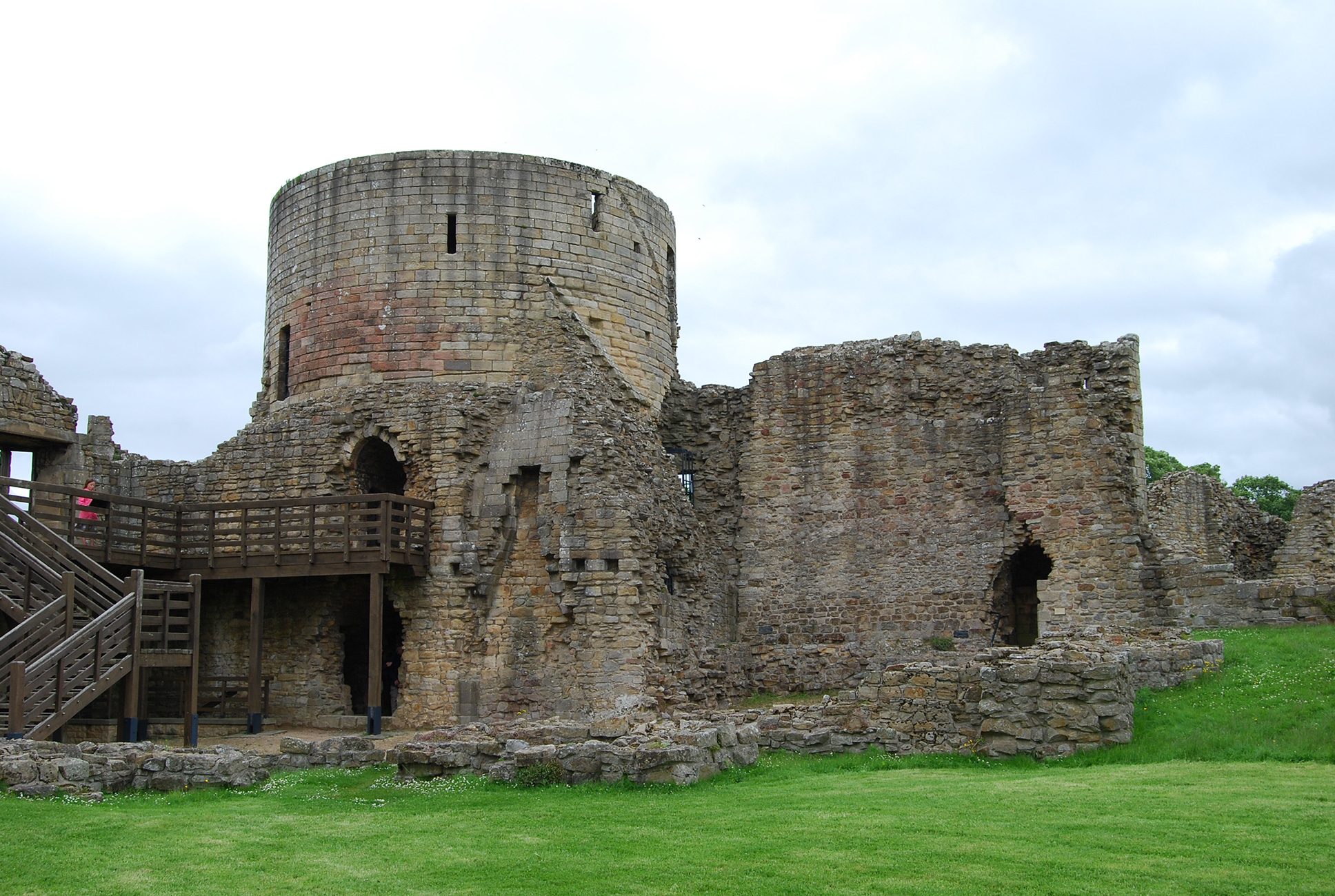
The Round Tower, also called the Balliol Tower.
Eustace de Vesci's lands were confiscated and given to Simon de Champ Rémy, Philip de Ulecot, and William de Harcourt. Hugh de Balliol died in 1229 and his son John succeeded him. Barnard Castle stayed in the Balliol family until 1296, when their most famous descendant, John Balliol, was deposed as king of Scotland. The castle saw another siege during the Rising of the North in December 1569.