Harrying of the North
Background
William, Duke of Normandy, became King William I of England on Christmas Day, 1066, at Westminster Abbey. English and Anglo-Saxon uprisings soon began as they sought to retake the crown.
In 1067, he quelled revolts in the Welsh Marches and Kent, and in 1068, he suppressed resistance from Harold Godwinson's sons in the West Country.
During the summer, the Earls of Mercia and Northumbria conspired against William, prompting him to travel north.
As problems began in Northern England, William advanced northward. Along his route, he constructed castles in Warwick, Nottingham, Lincoln, Cambridge, Huntingdon, and York. Castles were new to England, and, as Orderic Vitalis noted, "the English, in spite of their courage and love of fighting, could put up only a weak resistance."
The new castles secured the Midlands, but barely affected the north, where only the single castle at York served as the king's outpost.
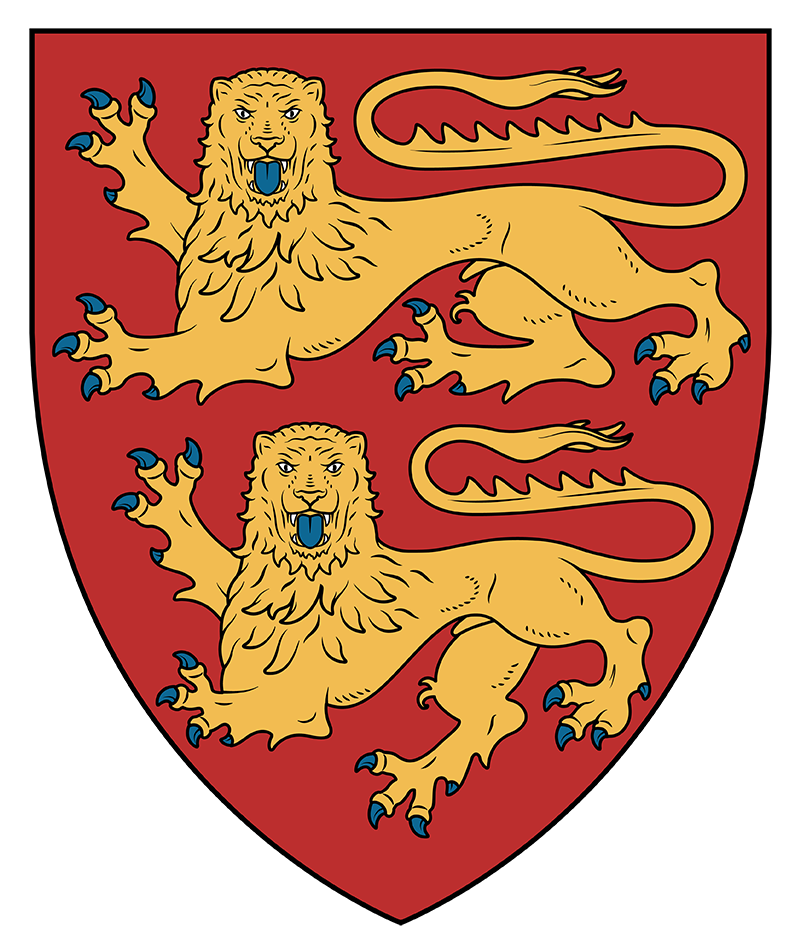
William appointed Robert Cumin as the new Earl of Northumbria. The Northumbrians killed him in Durham, then marched south to retake York.
William marched north upon hearing of the siege at York Castle. After lifting the siege, he ordered a second castle to be constructed on the opposite bank of the River Ouse before leaving York.
By late summer 1069, York faced a third rebellion, sparked by a Danish invasion led by King Sweyn II's brother Asbjorn and Sweyn's sons Harald and Cnut. Northern England's strong ties to Scandinavia stemmed from earlier Viking settlements around York.
Northumbrian leaders who had fled to Scotland returned and, together with the Danes, seized York. They destroyed both castles and killed the sizable Norman garrison.
Battle
In autumn 1069, William marched north, aware that his earlier efforts had failed. Among the York rebels was Edgar Ætheling, a member of the Old English royal line chosen as Harold Godwinson's successor over William after Hastings.
When William traveled from Nottingham to York in December, the Danes had already returned to their ships in the River Humber and stayed beyond his reach. William bought them off, promising a danegeld (a large sum of money) and the right to plunder the coast if they left England by spring. The Danes accepted.
This left William to address the northern English rebellion, and he responded with anger. He divided his army into two groups and began a systematic campaign: burning villages, homes, and crops; slaughtering livestock; destroying food stores; and killing inhabitants, including civilians. His aim was to render the north uninhabitable through devastation.
He devastated Yorkshire and lands north of the Humber, with some extending into Cheshire, Shropshire, Derbyshire, and Staffordshire.
All of this took place during the winter, which made survival even harder for the affected population. As the destruction left no way to replant crops or raise new livestock, William pursued a deliberate plan of terror and starvation, since pitched battles had failed due to the rebels' avoidance.
As the new year began, William pursued the Northumbrian leaders as far north as the River Tees, where he forced them to submit.
The Danes did not leave as promised. Conditions deteriorated so badly that when their King arrived in the spring of 1070, expecting victory, he quickly made terms and sailed back across the sea.
Aftermath
Uprisings ceased in the north for the rest of William's reign. Edgar Ætheling fled back to Scotland and then to Flanders, eventually making peace with William in 1074.
Chroniclers claim the Harrying of the North killed 100,000 people, mostly through starvation. Some modern historians estimate this represents up to 75% of the population in the affected areas.
The Domesday Book records large tracts of land as “waste” and notes drops in land values. It also notes losses of plow teams and oxen in Yorkshire.
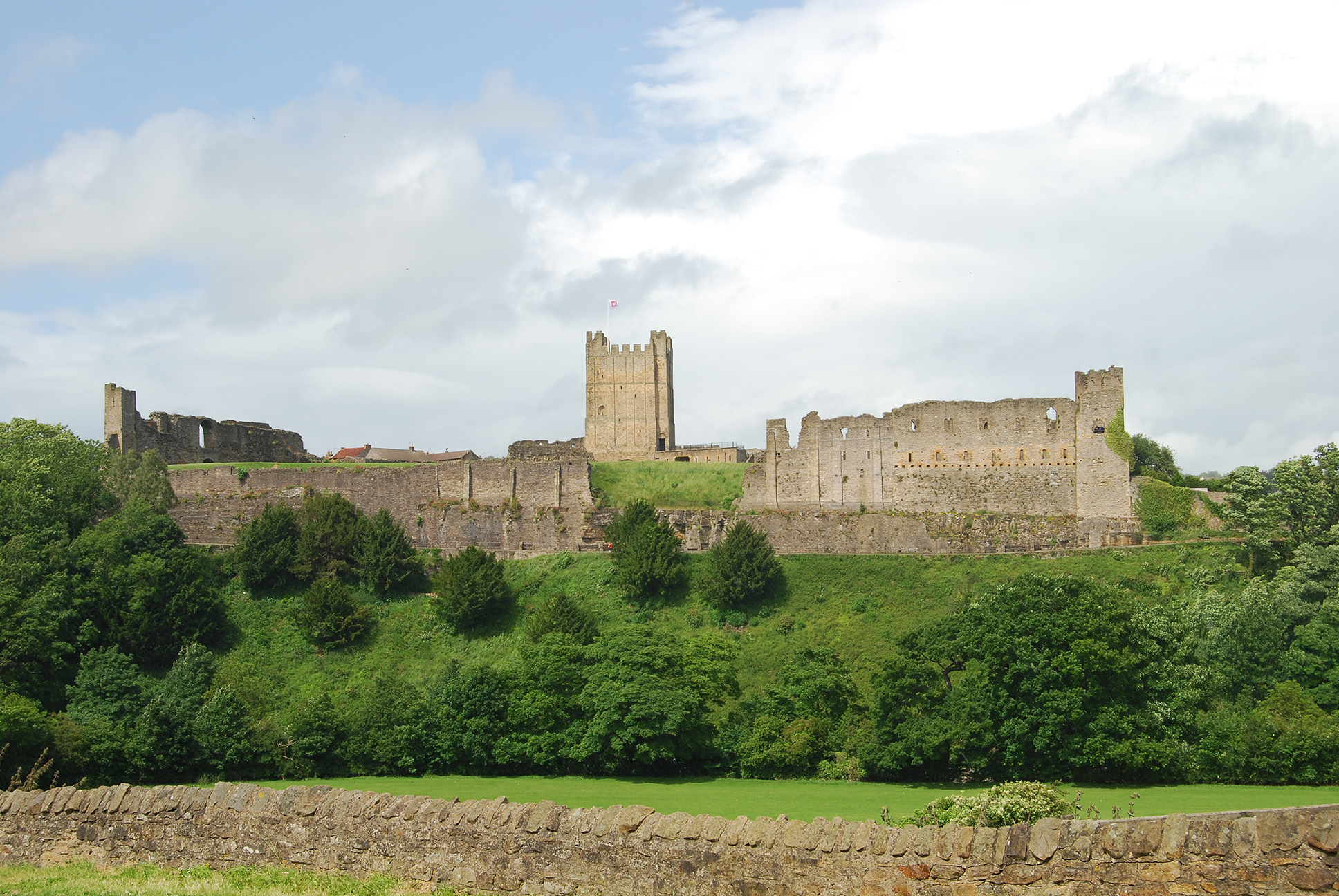
The campaign broke the northern resistance and allowed William to replace Anglo-Saxon nobles with Norman lords. It consolidated Norman control over England. The new aristocracy in England became predominantly Norman, except for Alan Rufus, a trusted Breton lord who received a substantial fiefdom in North Yorkshire, known as “the Hundred of the Land of Count Alan,” later known as Richmondshire. Alan began building Richmond Castle in 1071, and by 1086, he ranked among the richest and most powerful men in England.
The north took decades to recover from the devastation of the harrying.
On William's deathbed, chronicler Orderic Vitalis records him saying:
"I persecuted the native inhabitants of England beyond all reason. Whether nobles or commons, I cruelly oppressed them; many I unjustly disinherited; innumerable multitudes, especially in the county of York, perished through me by famine and sword… I am stained with the rivers of blood that I have shed."
 Robert Cumin