Danish Attacks
Background
Before the Harrying of the North, Northumbrian leaders sought Danish support to overthrow King William. Northern England had strong ties to Scandinavia from the earlier Viking settlements in York.
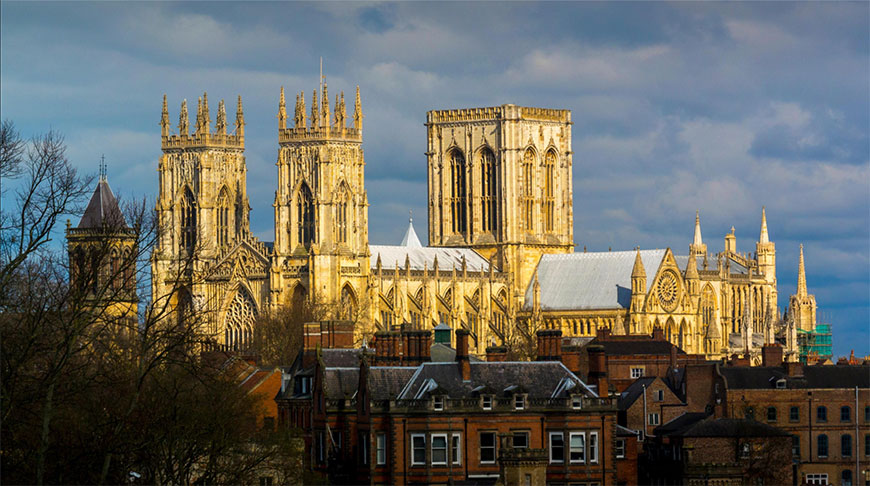
In fall 1069, King Sweyn II's brother, Asbjorn, and Sweyn's sons, Harold and Cnut, invaded northern England. The Danes and northern rebels seized York, destroyed both castles, and killed the Norman garrison.
When William arrived in December 1069, the Danes had already withdrawn to their ships in the River Humber. William paid them off, promising danegeld and coastal plunder if they left by spring. They agreed but did not depart until after William's Harrying of the North left nothing standing. The Danes then returned to Denmark.
In 1075, Ralph de Gael, Roger de Breteuil, and Waltheof conspired to rebel against William in what became known as the Revolt of the Earls, and they sought Danish assistance to aid the rebellion.
In response to this revolt, the Normans under Lanfranc, Archbishop of Canterbury, were able to quell the rebellion by the three earls.
Battle
A Danish fleet of 200 ships under Cnut and Earl Hakon sailed to Norfolk but arrived too late; the Earls were already defeated. Lacking Anglo-Saxon allies, the fleet turned north, pillaged the Lincolnshire coast, and sacked York, including damage to York Minster. They then sailed south to Flanders, avoiding William's forces.
Aftermath
The Danish invasion failed to aid regime change, and many view it as opportunistic plundering rather than a full conquest. This event marked one of the last significant Viking threats to England. Subsequently, Cnut planned a larger invasion in 1085, but it never occurred.
After the Danish attack and Revolt of the Earls, Roger de Breteuil was imprisoned for life, Ralph de Gael was exiled with his lands given to Alan of Brittany, and Waltheof was beheaded.
William tightened control over the remaining earls and Anglo-Saxon nobility, ending the turmoil of the Norman Conquest.
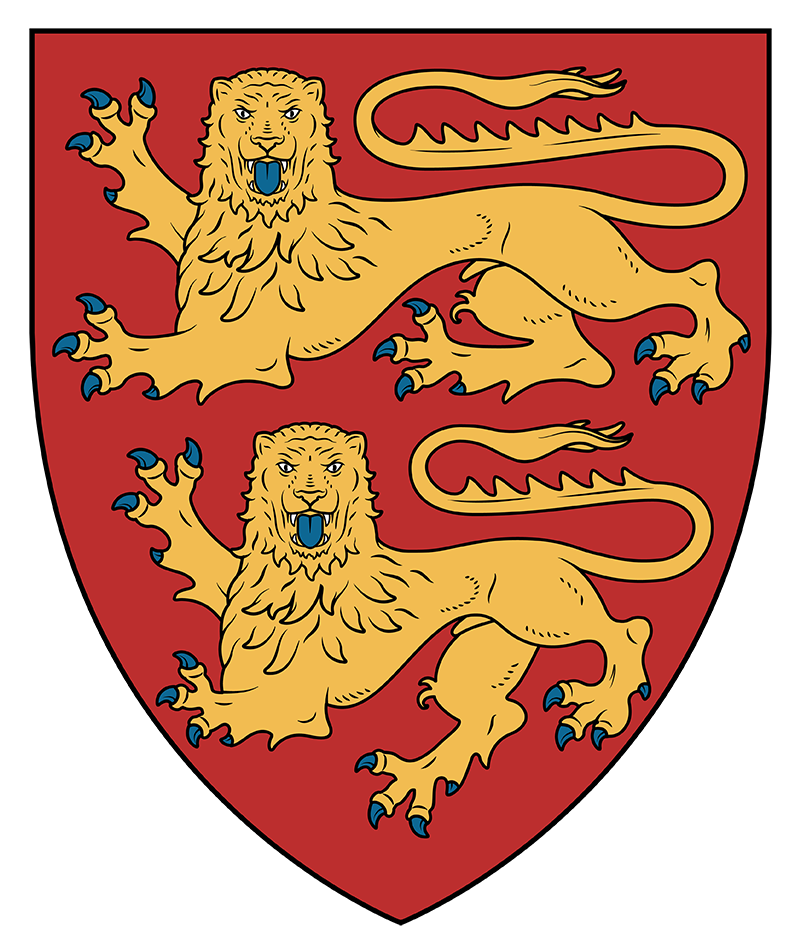
 Cnut IV of Denmark