Battle of Skaithmuir
Background
After the failed Siege of Carlisle Castle, Robert the Bruce continued his campaign on the borders and into Northern England.
In early 1316, James Douglas besieged Berwick, still being held by the English. The garrison in Berwick was already suffering from the Great Famine that swept across Europe, and Maurice de Berkeley, commander of Berwick, had already sent requests to Edward II for help and rations, though few could get through the Scottish blockade.
On February 14th, 1316, a company of Gascon soldiers, led by Edmund Caillou, set out to find food for the garrison in the rolling farmland along the River Teviot and then spread out, looking for cattle.
Sir Adam Gordon saw some of the men and raced to tell James Douglas about a few cattle raiders in the area. Douglas and about forty men went to intercept the raiders. But instead of raiders, James found a group of well-armed fighting men.
Battle
A few miles north of Coldstream near Skaithmuir, Douglas came upon Caillou's company in the flat countryside of the Merse, perfect for cavalry but with no natural defenses.
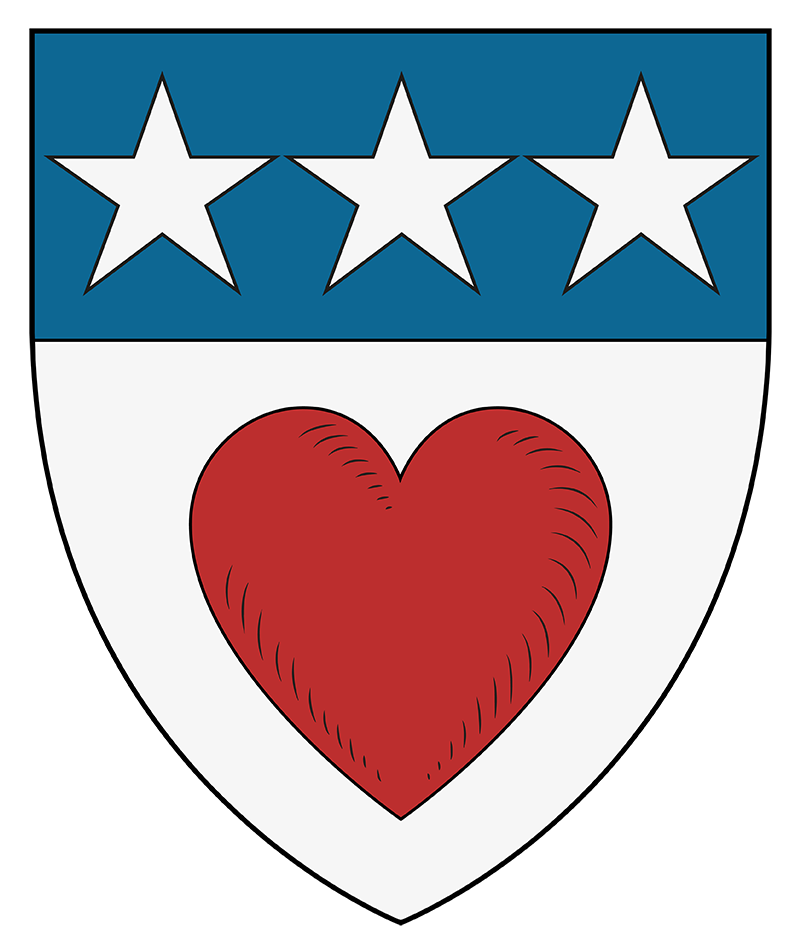
With no time to contemplate whether to withdraw or attack, James Douglas decided to attack. Outnumbered two to one, Douglas men were well-seasoned soldiers, having spent the last ten years fighting the English. He stationed his men behind a small ford before unfurling his famous white banner with the blue band and three white stars, signaling his intent to fight.
The Gascon company attacked, expecting to overcome the smaller Scottish forces. Chronicler John Barbour tells of the battle:
The Scotsmen bravely fought them back
There one could see a cruel fight
And strokes exchanged with all their might
The Douglas there was full hard pressed
But the great valor he possessed
So lent his men courageousness
That no man thought cowardice.
It is said Douglas later called it the hardest battle he ever fought.
Aftermath
Like the Battle of Bannockburn, the battle resulted in another sound defeat for a larger English force.
James Douglas killed Edmund Caillou in hand-to-hand combat during the battle, causing the Gascons to lose their nerve and be soundly beaten. Maurice de Berkeley reported afterwards that twenty men-at-arms and sixty foot-soldiers were missing.
James Douglas and his men disappeared back into Ettrick Forest.
 Edmund de Caillou †