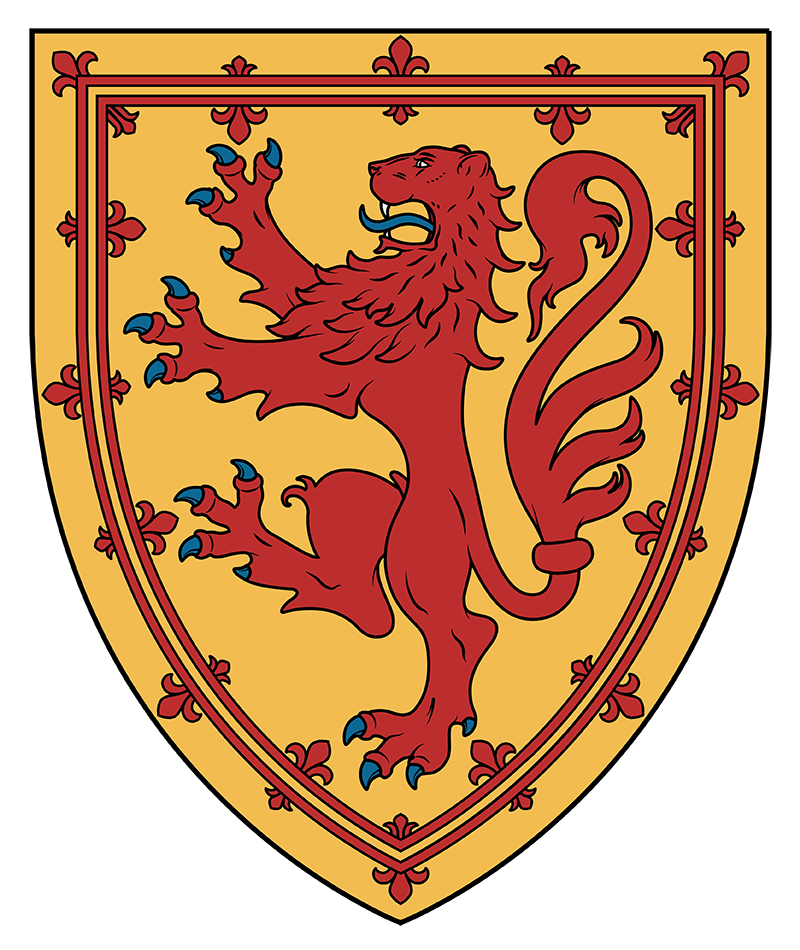
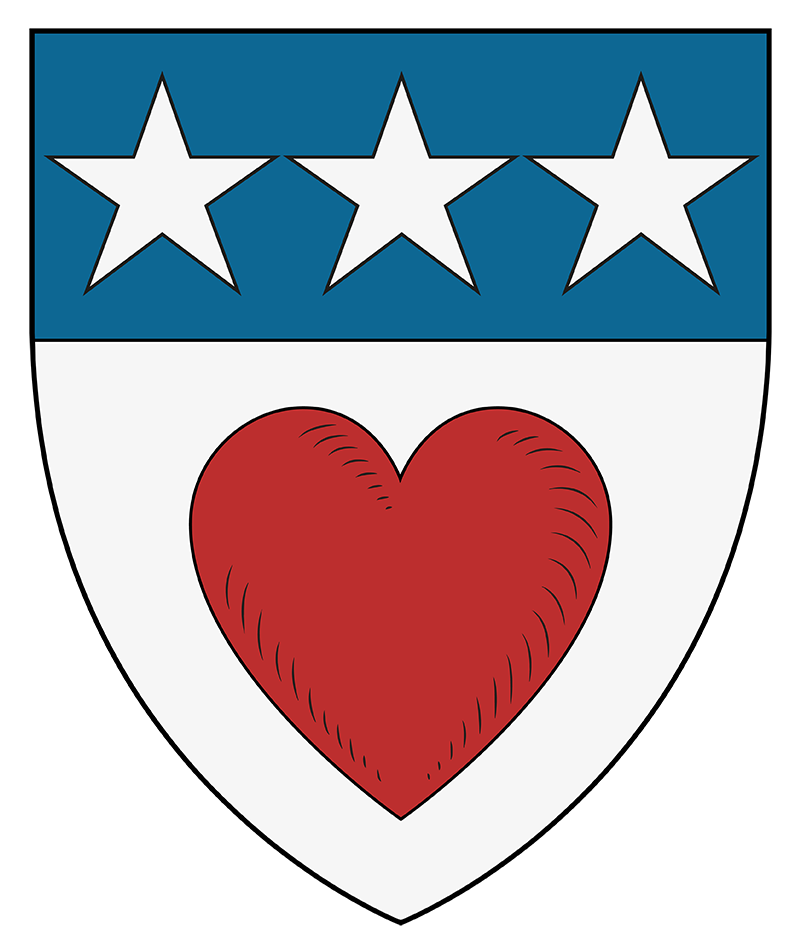
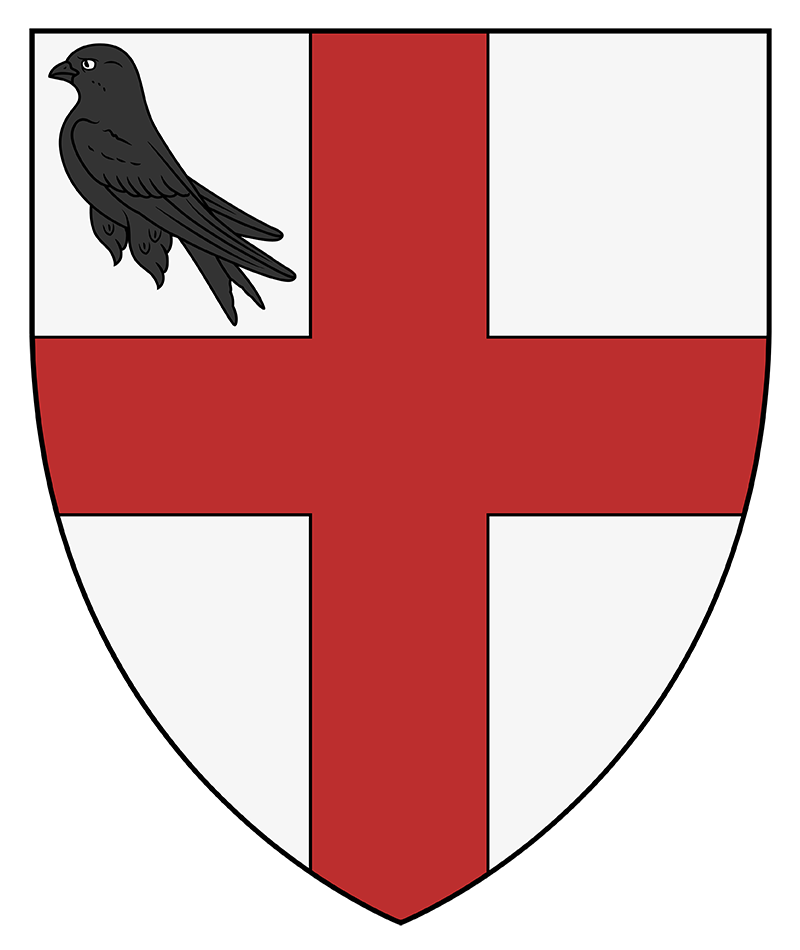
Siege of Carlisle Castle
Background
Following Bannockburn in 1314, Robert the Bruce began raids into Northern England, as areas along the border were claimed by both Scotland and England.
Carlisle Castle held a strong position in Northwest England and was defended by an English garrison led by Andrew Harclay, 1st Earl of Carlisle.
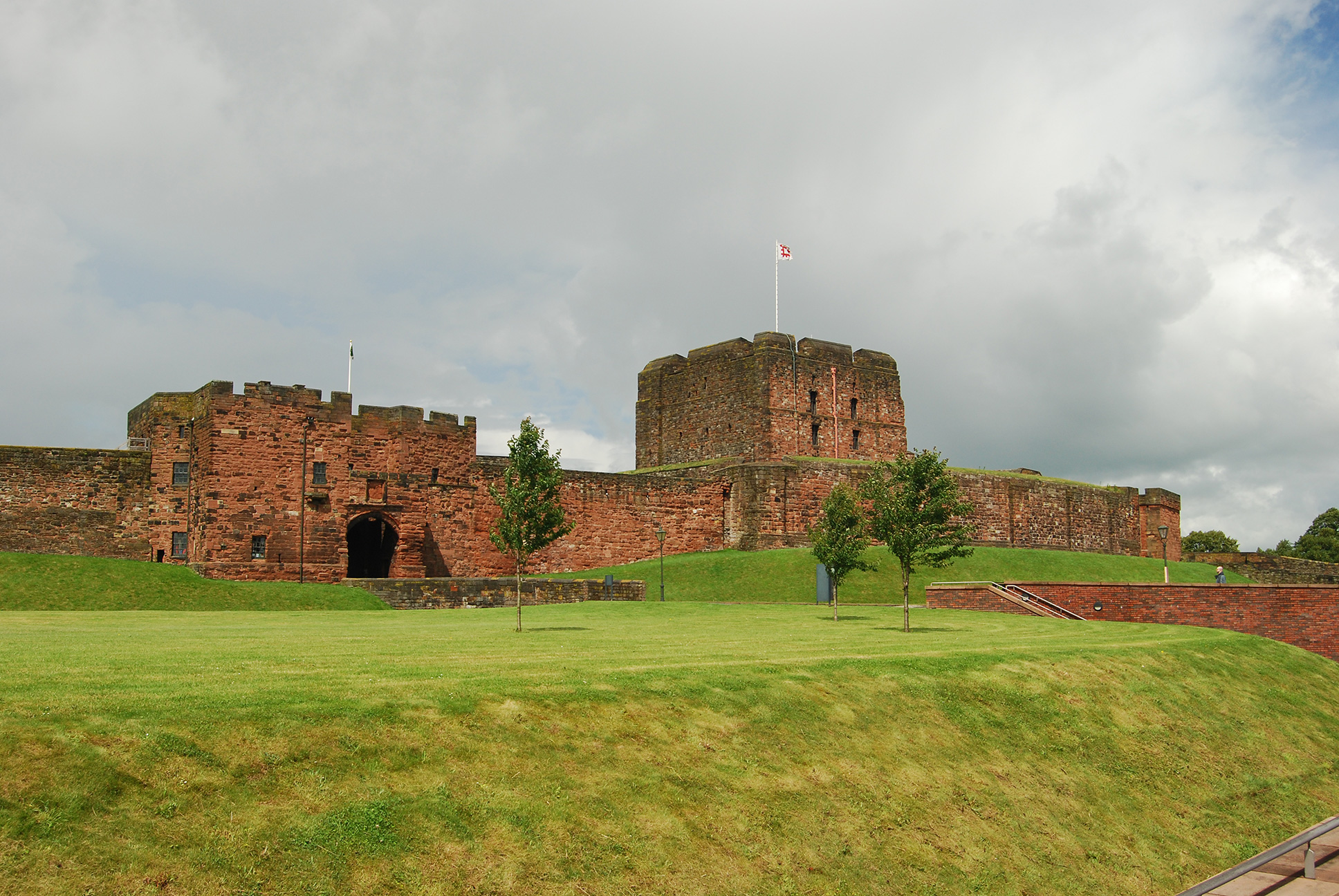
The English expected Carlisle Castle to be attacked after Bannockburn and began strengthening its garrison. Andrew Harclay commanded a few hundred soldiers there in early 1315. The garrison was well equipped with catapults and springalds, capable of launching large bolts and rocks from within the castle onto besiegers outside.
Battle
Robert the Bruce had taken castles before, but he usually used a small covert force at night to take a garrison by surprise. The Bruce appeared with his forces before the walls of Carlisle on July 22nd, 1315, and began attacking the surrounding countryside. His men destroyed the suburbs, trampled corn growing near the city, and carried off cattle.
The siege lasted ten or twelve days, and every day the Scots attacked one of the city gates or all the gates at once. Stones and arrows were discharged in such quantities by those inside the castle that the Scots questioned among themselves "whether the stones were multiplying within the walls."
On the fifth day of the siege, the Scots erected a siege engine near the Cathedral, where Robert the Bruce was stationed, and enormous stones were launched towards the Caldew Gate and against the wall, but little damage was done.
They then constructed a siege tower, or berefray, which was taller than the castle walls, but because the ground was soft, it could not be moved close to the castle and was of no use.
The Scots tried to span the moat by filling it with straw and grass and constructed bridges to run across the ditches, but these failed and sank to the bottom of the moat.
On the ninth day, they launched an all-out assault on all the city gates, but were repelled by the garrison. The Bruce then had most of his army attack the eastern wall of the city near the Grey Friars Monastery to draw the garrison's attention, while James Douglas and a company of men attempted to assail the wall on the western side by the Black Friars. But the English were ready, and archers discharged their arrows at all who raised their heads above the walls.
On August 1st, 1315, Robert the Bruce ended his siege and retreated after losing a considerable number of men. They may have heard that help was coming for the English.
Aftermath
Some Scots were taken prisoner, and Andrew Harclay was made the 1st Earl of Carlisle. King Edward II rewarded Harclay with 1000 marks. His rise in acclaim made him enemies in the north, who spread slanderous rumors about him.
Harclay was later taken captive by the Scots, for which Edward II helped raise a ransom of 2000 marks for his release, but he was falling out of royal favor. In 1319, the royal favor had returned, and Andrew Harclay was appointed sheriff and keeper of Carlisle Castle, Cockermouth Castle, and Warden of the West Marches.