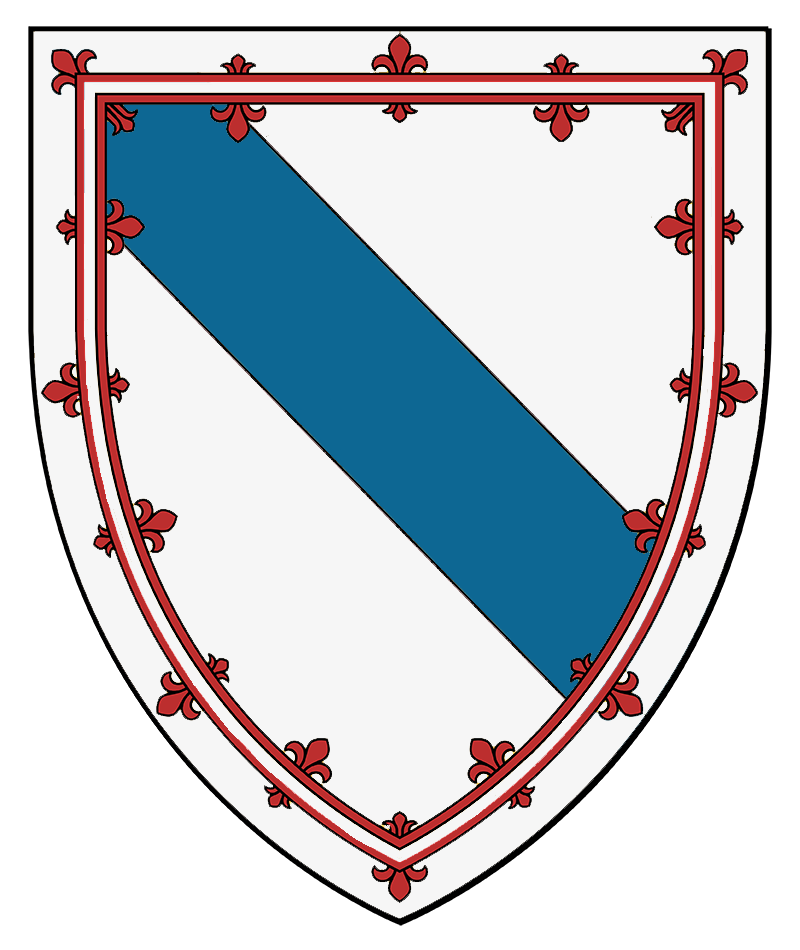
Battle of Lochmaben Fair
Background
On July 22nd, 1484, during the annual fair at the Scottish burgh of Lochmaben in Dumfriesshire, a raiding party led by the exiled Duke of Albany and the exiled Earl of Douglas was driven off by the townspeople and local lairds. It was a small battle, but it ended the last serious attempt by the Black Douglases to regain their power and the last attempt by Albany to overthrow his brother, King James III of Scotland.

King James III was an unpopular ruler. In July 1482, his nobles seized him at Lauder Bridge and imprisoned him in Edinburgh Castle. His younger brother, Alexander Stewart, Duke of Albany, who had been in exile, took control of the government, but he was soon driven out. James regained power with the help of men such as George Gordon, 2nd Earl of Huntly, and Albany fled to England in April 1483, after the death of Edward IV took away his main source of support.
James Douglas, 9th Earl of Douglas, had lived in England since his family's lands were forfeited in 1455, after James II and the Red Douglases defeated the Black Douglases. He served Edward IV there and became a Knight of the Garter. Albany held the lordship of Annandale, which included Lochmaben, so in 1484 the two men planned a raid into Annandale. They hoped to provoke the Scots into rebelling against James III.
Richard III of England, who had been king since June 1483, was planning an invasion of Scotland but gave Albany and Douglas only permission to attack on their own. They crossed the border with about 500 horsemen, including paid Scottish renegades and English cavalry, and rode toward Lochmaben.
Battle

The remains of Lochmaben Castle.
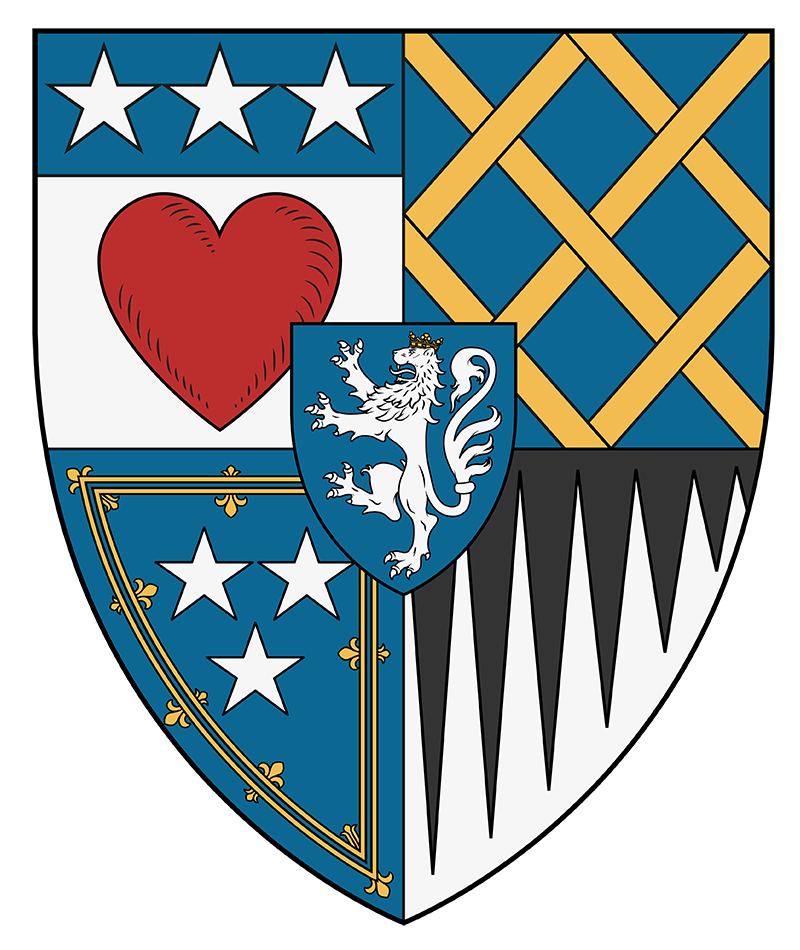
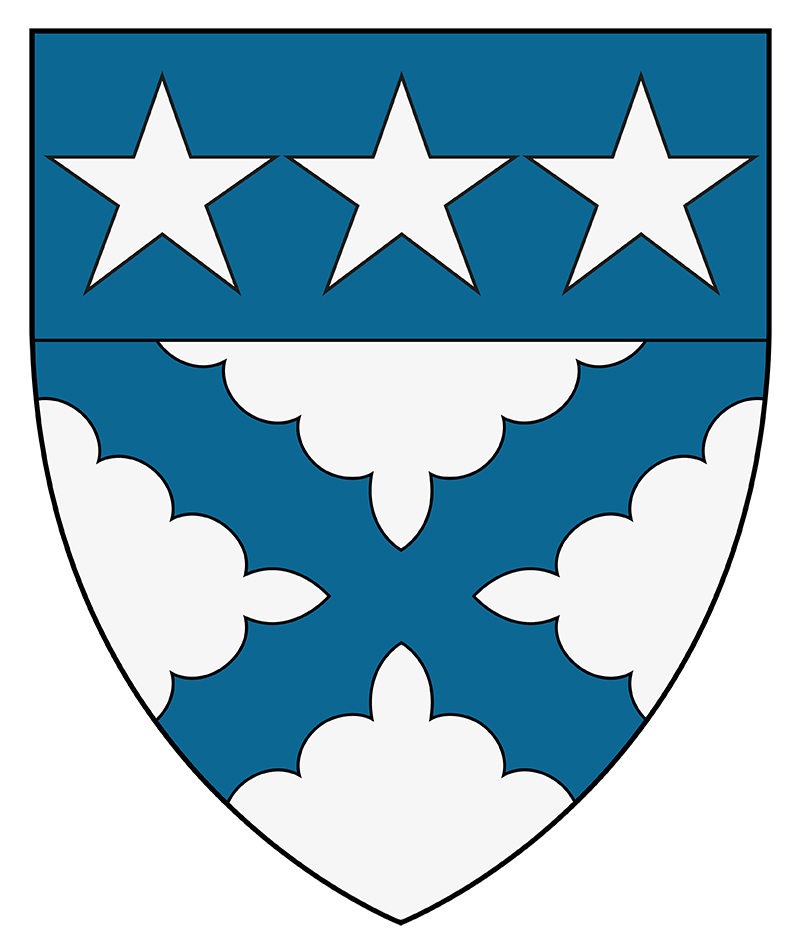
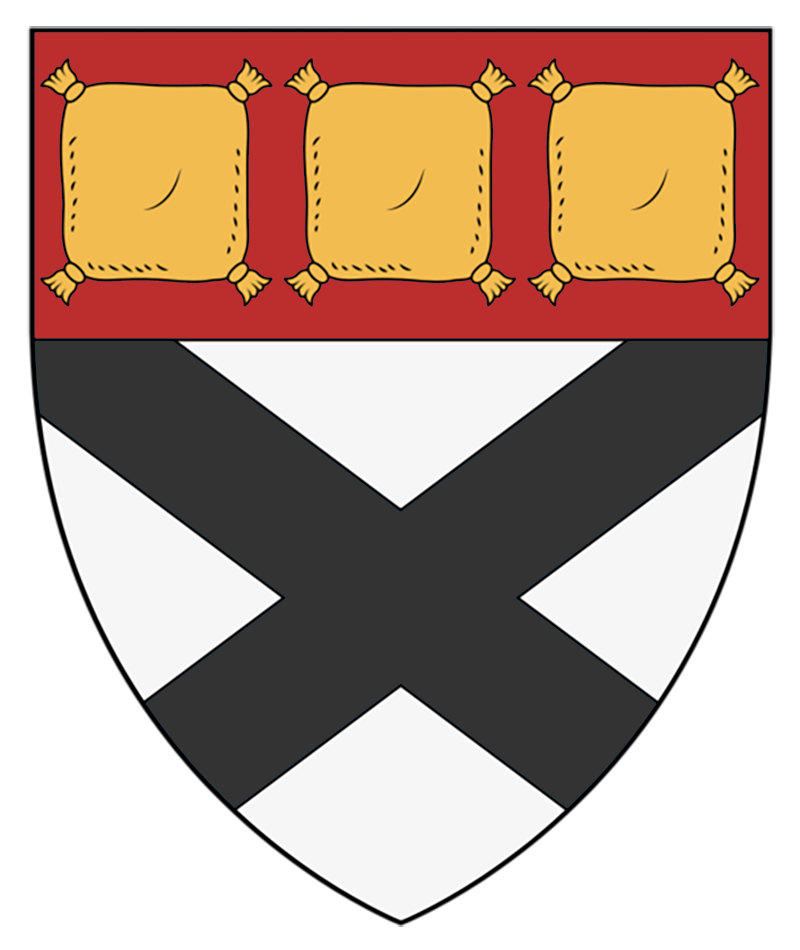
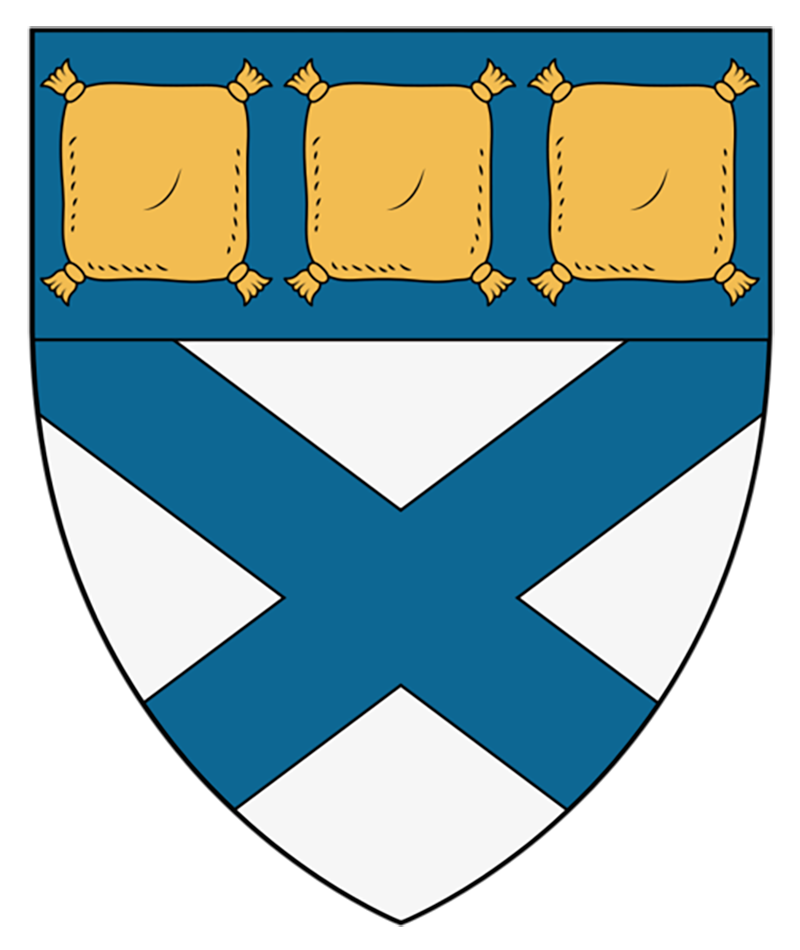
The raiders reached Lochmaben on the day of the annual fair, expecting local support. Instead, the townspeople took up arms against them, and local lairds who saw the warning beacons gathered their men and stayed loyal to the king. The defenders were reinforced by the Crichton, Murray, Johnstone, Carruthers, Kirkpatrick, and Charteris families and their followers.
The fighting reportedly raged throughout the day. The rebel horsemen were routed and scattered, and no figures survive for the losses on either side. Albany escaped on a swift horse back across the border, and James Douglas was captured by Alexander Kirkpatrick, the brother of the laird of Closeburn.
Aftermath

A doorway in the walls of Lochmaben Castle.
Douglas was sent to Lindores Abbey in Fife, where he spent the rest of his life and was buried. He was the last Earl of Douglas, and his capture ended the Black Douglas line. Albany fled to France, where he was killed in 1485 when a splinter from the lance of Louis, Duke of Orléans, struck him during a joust in Paris.
James III rewarded those who had defended Lochmaben. Robert Crichton became Lord Sanquhar, Alexander Kirkpatrick received the lands of Kirkmichael, and Robert Charteris of Amisfield was later granted lands in Galloway. The town's market cross was destroyed in the raid, and a replacement was built around 1612.