Second Phase of the Despenser War
The Royal Counteroffensive
Background
After the Despensers' exile on August 29, 1321, Royal clerks gathered military resources. Edward II excused privateering by Despenser associates to fund forces, showing insincerity toward the exile.
By autumn 1321, tensions between Edward II and the Contrariants, led by Thomas of Lancaster, had peaked, with both sides raising forces. This buildup set the stage for the next confrontation.
Battle
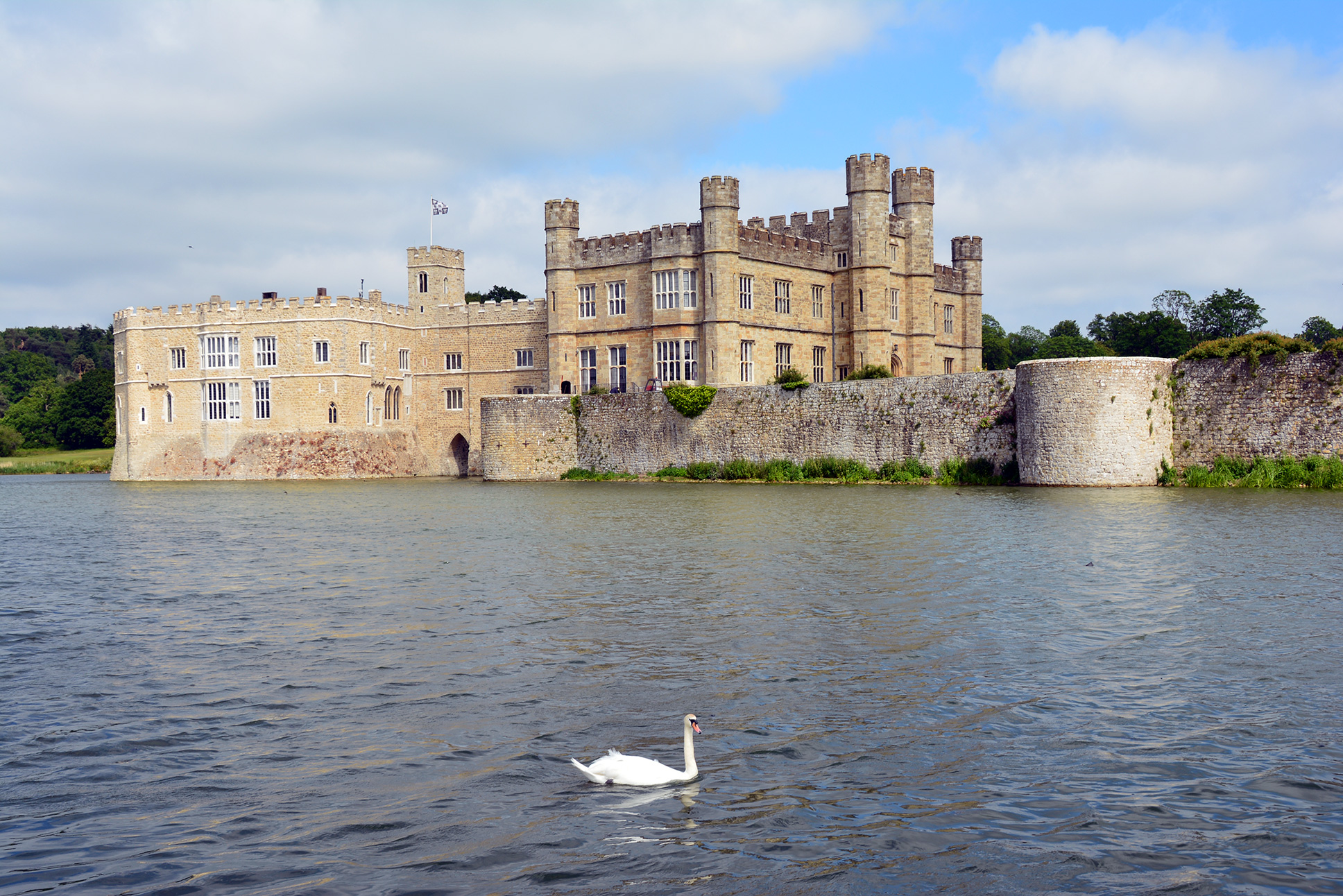
In early October 1321, Queen Isabella left the usual route on a Canterbury pilgrimage, stopping at Leeds Castle, in Kent. Its governor, Bartholomew de Badlesmere, once royal steward, now opposed the king with the barons.
Badlesmere was away, leaving his wife Margaret in charge. The queen, escorted by armed guards, asked Margaret for entry after her pilgrimage, but was refused. Sensing the military presence, Margaret withheld entry. The garrison then fired a volley of arrows, killing several of the queen's guards.
Historians suggest this was a deliberate act by Isabella on Edward's behalf to provoke aggression and justify further action against the aggressors.
Edward II mobilized and besieged Leeds Castle on October 23, 1321, granting Isabella the Great Seal and Royal Chancery control. The attack on the queen spurred more London volunteers. Leeds Castle surrendered within a week. Thirteen garrison members were executed, and Margaret and her children were imprisoned in the Tower of London.
Edward II, now stronger, revoked the Despensers' banishment. The Royalists seized control and began a counter-offensive against the barons.
The rebellious barons, Roger Mortimer and Humphrey de Bohun, traveled north to meet Thomas of Lancaster, where they reaffirmed their opposition to Edward II. Mortimer and Bohun then returned to the Welsh Marches to defend their lands from a peasant revolt. By December, Edward II marched to Cirencester, preparing to invade Wales and extend the conflict south and west.
At the same time, in northern England, Thomas of Lancaster made a truce with Robert the Bruce, enlisting support from Scotland.
In January 1322, Edward's forces pushed past the River Severn resistance and into the Welsh Marches. Mortimer, recognizing defeat, surrendered at Shrewsbury on January 22nd.
Edward turned north with the Despensers, now returned from exile. After assembling his army at Coventry in February, Edward advanced to Burton-on-Trent, where Bohun and Lancaster fortified the bridge over the River Trent.
The Battle of Burton Bridge was about to begin.
Lancaster's forces positioned themselves on the north bank of the River Trent. They fortified the medieval Burton Bridge. The river was flooded at the time due to heavy rains, making a water crossing difficult.
Edward's forces approached from the south. On March 7th, several skirmishes began as they attempted to take the bridge. The rebels held their position for several days. On March 10th, the Royalists outflanked Lancaster by crossing the River Trent at a ford upstream near Walton. Edward's troops then advanced on Burton.
Lancaster's forces were caught by surprise and outnumbered. They withdrew without a prolonged battle on the bridge and retreated north to Lancaster's stronghold at Tutbury Castle. They abandoned much of their baggage and supplies. The town of Burton was set on fire during the event.
Aftermath
The battle was a royal victory. It weakened the rebel coalition and forced Lancaster to keep retreating along the Great North Road to Pontefract Castle.
Both sides would ultimately clash again at the Battle of Boroughbridge on March 16th, 1322.