Thomas Plantagenet - 2nd Earl of Lancaster
Thomas of Lancaster
Thomas Plantagenet was an influential English Nobleman and a prominent adversary of King Edward II, whose political ambition, vast wealth, and execution made him a notable figure in medieval England.
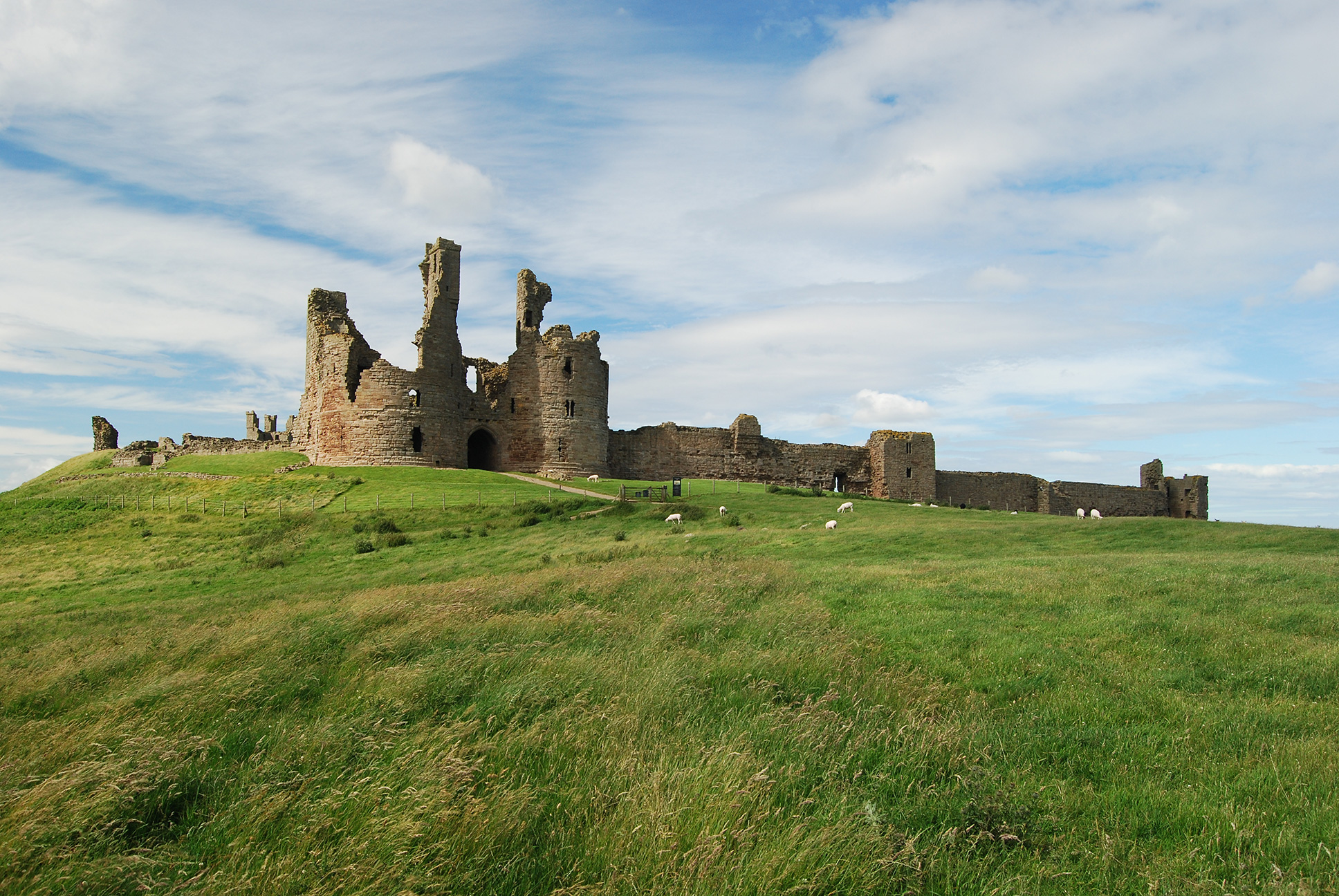
Thomas was likely born around 1278 at Grosmont Castle in Wales. He was the eldest son of Edmund Crouchback and Blanche of Artois, Queen Dowager of Navarre. Edmund Crouchback was the son of King Henry III of England.
In 1294, Thomas married Alice de Lacy, daughter of Henry de Lacy, 3rd Earl of Lincoln. Thomas and Alice had no children. However, Thomas did father two illegitimate sons, John and Thomas.
When Edmund Crouchback died in 1296, Thomas inherited the earldoms of Lancaster, Leicester, and Derby. Through his marriage, he also became Earl of Lincoln and Salisbury.
Upon reaching majority, he became the hereditary Sheriff of Lancashire. He spent most of the next decade campaigning for Edward I in Scotland. In 1298, he fought in Edward's division during the Battle of Falkirk.
On February 25th, 1308, Thomas served at the coronation of King Edward II, his cousin, carrying the Sword of Mercy, the sword of Edward the Confessor. Thomas supported his cousin as King. As the conflict between the King and some barons over the King's favorite, Piers Gaveston, wore on, Thomas eventually sided with the barons. Piers mocked Thomas as "the Fiddler." Thomas swore revenge when Gaveston demanded the dismissal of one of his retainers.
Thomas of Lancaster was one of the Lords Ordainers who demanded Gaveston's banishment. Lancaster's private army helped separate the King and Gaveston. Lancaster was one of the "judges" who convicted Piers Gaveston and saw him executed in 1312. Edward II pardoned Thomas in 1313 for his role in Gaveston's execution. Thomas returned to the royal household.
In 1314, Edward II lost the Battle of Bannockburn to the Scots and capitulated to Thomas of Lancaster, effectively making Lancaster the ruler of England. Thomas attempted to govern for the next four years but failed to maintain order or defend the northern border from Scottish raids.
In 1317, his wife Alice was abducted from her manor at Canford by Richard de St Martin, a knight serving John de Warrenne, 7th Earl of Surrey. This created a feud between Thomas of Lancaster and Surrey. Thomas seized two of Surrey's castles in retaliation. King Edward II had to intervene, and the two earls entered an uneasy truce.
By 1318, Thomas's popularity with the barons weakened. As a result, he was persuaded to accept a smaller role in governing England.
The new leadership was dominated by Hugh le Despenser the Elder, 1st Earl of Winchester, and his son, Hugh Despenser the Younger. Both men were even less popular among the barons and became new favorites of Edward II.
In 1321, due to renewed grievances, Thomas of Lancaster once again found himself at the head of a rebellion against the King and his new favorites, the Despensers.
On March 16th, 1322, Thomas led an army against Andrew Harclay at the Battle of Boroughbridge. Lancaster's army came under heavy archery fire and was cut off from the rest of the baronial forces. He negotiated a truce with Harclay and withdrew to the town. The next morning, the Sheriff of York arrived with additional royal forces, compelling Lancaster to surrender to Harclay.

Thomas of Lancaster was taken to his own castle at Pontefract in West Yorkshire and put on trial, led by the Despensers and the King. He was not allowed to speak on his own behalf. He was found guilty of treason and sentenced to death by hanging, drawing, and quartering. However, because of his royal blood and kinship to the King, Thomas's sentence was reduced to beheading.
On March 22, 1322, Thomas of Lancaster was taken outside Pontefract Castle and executed and his titles and estates were confiscated. The Scots seized the chance to claim his inheritance during the Great Raid of 1322, culminating at the Battle of Old Byland. Thomas was buried at St John's Priory in Pontefract.
In 1323, Thomas's younger brother Henry successfully petitioned to take back the earldom of Leicester. A few years later, after Parliament posthumously reversed Thomas's conviction of treason, Henry was allowed to take possession of the earldoms of Lancaster, Derby, Salisbury, and Lincoln.
Thomas of Lancaster was venerated as a martyr, and miracles were reported at his tomb, prompting petitions for his canonization.
