Battle of Lincoln
Background
English forces supporting Stephen of Blois defeated the Scots at the Battle of the Standard in August of 1138. The Scots, led by King David I of Scotland, supported his niece Empress Matilda's claim to the English crown. David's army returned to Scotland, but still controlled most of northern England.
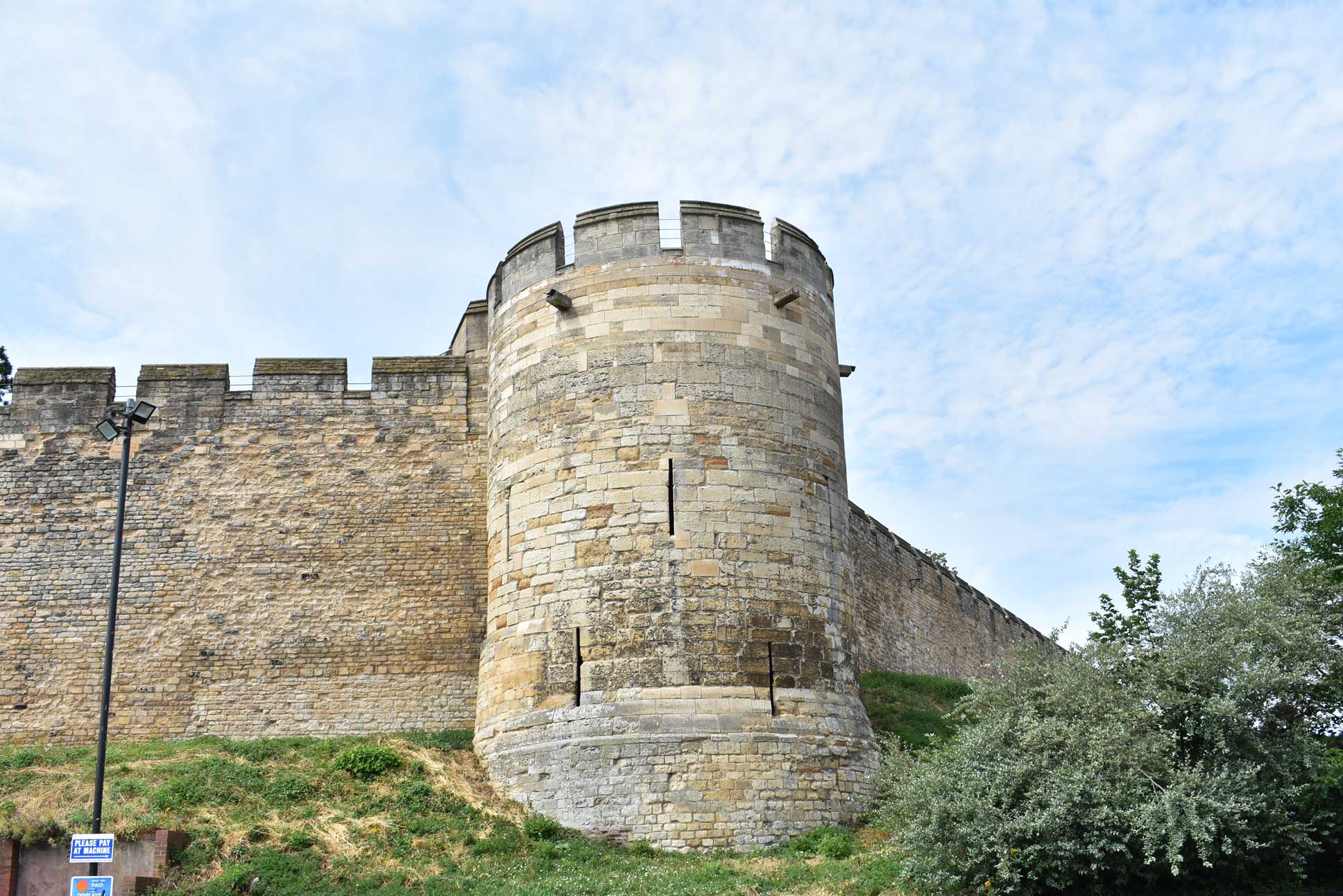
In late 1140, Ranulf II de Gernons, Earl of Chester, and his half-brother William de Roumare launched a surprise attack and seized Lincoln Castle. In response, the townsfolk appealed to King Stephen for aid. Stephen quickly responded, arrived at Lincoln in January of 1141, and laid siege to the castle.
Ranulf and a small group of men escaped from the castle one night. Afterward, they raised reinforcements, including his father-in-law, Robert FitzRoy, Earl of Gloucester, to relieve the castle from Stephen's siege.
Forces supporting Matilda, led by Robert FitzRoy, headed to Lincoln to relieve the castle. Upon arriving on February 1st, 1141, they positioned themselves south of the city. Robert's flanks were guarded by Welsh troops commanded by Madog ap Maredudd and Cadwaladr ap Gruffudd.
Stephen knew a large force was arriving but refused to heed advice to flee or seek a truce, deciding to stay at Lincoln and fight. As a result, Stephen and his forces were caught between Lincoln Castle and Gloucester's forces.
Battle
The following day, on February 2nd, 1141, the battle commenced outside the city, near the castle.
Almost as soon as the battle began, most of the leading Earls supporting Stephen fled. William Aumale of York and William Ypres stayed to fight with Stephen and charged the Welsh division guarding Robert's flank. They smashed the poorly armed Welsh unit. However, they were soon routed themselves by the well-ordered military might of Ranulf de Gernon, 4th Earl of Chester, who stood out in his bright armor.
After the fleeing Earls left the field, the forces fighting for Stephen were soon outnumbered, and King Stephen and his knights were rapidly overcome by the forces fighting for Matilda.
Roger de Hoveden, writing in the 12th century, recounts the battle:
Then you might have seen a dreadful aspect of battle, on every quarter around the King's troop fire flashing from the meeting of swords and helmets - a dreadful crash, a terrific clamor - at which the hills re-echoed, the city walls resounded. With horses spurred on, they charged the King's troop, slew some, wounded others, and, dragging some away, made them prisoners.
No rest, no breathing time was granted them, except in the quarter where stood that most valiant King, as the foe dreaded the incomparable force of his blows. The Earl of Chester, on perceiving this, envying the King his glory, rushed upon him with all the weight of his armed men. Then was seen the might of the King, equal to a thunderbolt, slaying some with his immense battle-axe, and striking others down.
Then arose the shouts afresh. All rushing against him and him against all. At length, through the number of the blows, the King's battle-axe was broken asunder. Instantly, with his right hand, drawing his sword, well worthy of a King, he marvelously waged the combat, until the sword as well was broken asunder.
On seeing this, William de Keynes, a most powerful knight, rushed upon the King, and seizing him by the helmet, cried with a loud voice, "Hither, all of you come hither! I have taken the King!"
Stephen's forces were defeated.
Aftermath
In the aftermath, Matilda was recognized as "Lady of the English," though never formally crowned Queen, and took control of much of the country. However, she eventually alienated many supporters.
Stephen was captured and handed over to Matilda. He was taken to Gloucester before being imprisoned in Bristol Castle. Roger de Mowbray was also taken captive. The following September, Stephen would be exchanged for Robert FitzRoy, who was captured at the Battle of Winchester. This ended Matilda's brief ascendancy.
The struggle for England's crown was far from over: for more than a decade after Lincoln, the nation remained gripped in turmoil. The outcome of the battle had set the stage for years of uncertainty and conflict that would shape the future of the realm.

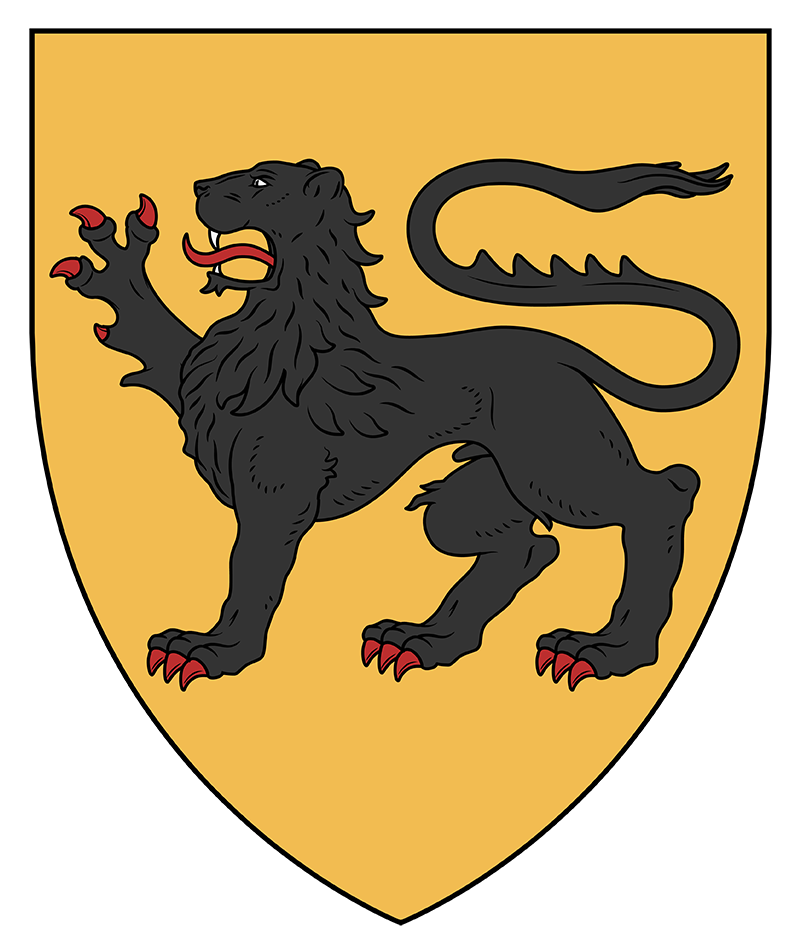
 William of Aumale