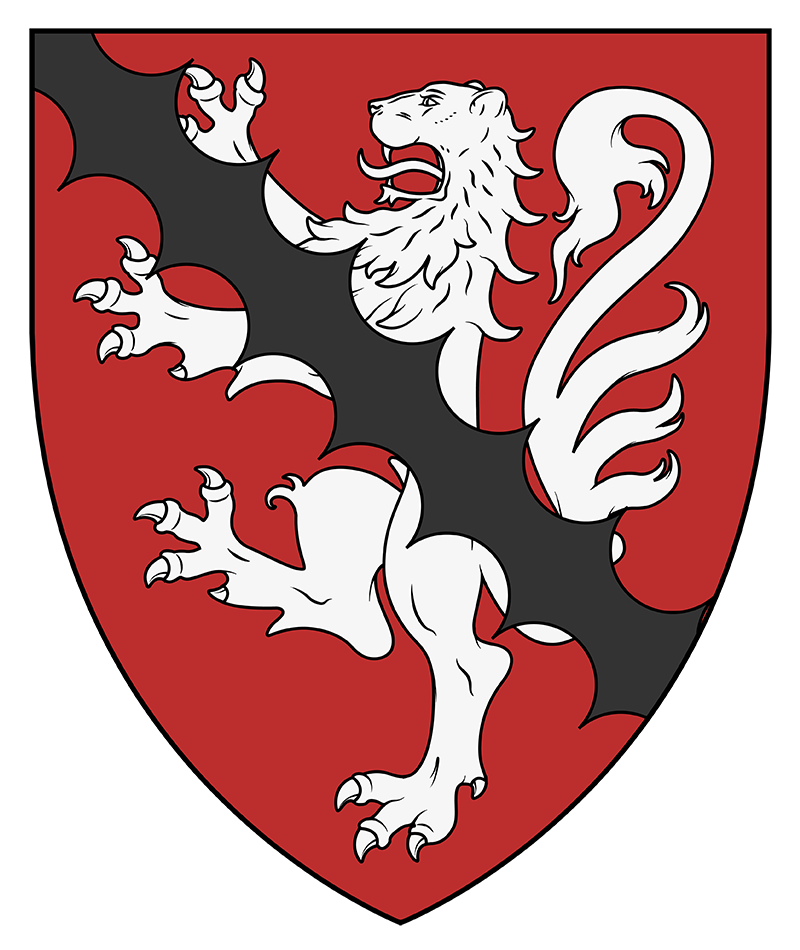
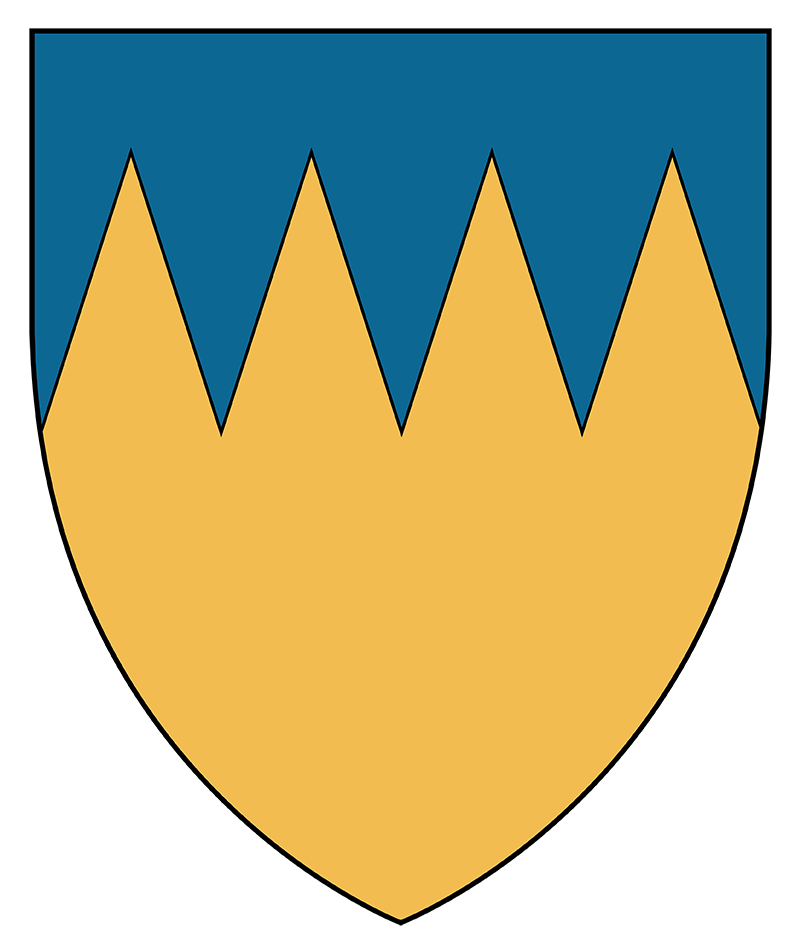
Battle of Faughart
Battle of Dundalk
Background
Following the Scots victory at the Battle of Skerries, Edward Brus was crowned High King on the hill of Maledon on May 2nd, 1316. It looked like the Scots venture into Ireland was to be a success, but it came at the worst time.

The Great Famine of Europe was underway, crops were failing, and people were starving. Since the Scots relied on local sources for supplies, their campaigns became nothing more than large-scale plundering raids against the already depleted peasantry. The local Gaelic Irish felt they were worse off under Scottish rule than under English rule. Thus, Edward could exercise power only in parts of the north.
In 1318, the weather and harvest improved, allowing Edward to branch out. Edward led his men through the Moiry Pass, only to be confronted by the Anglo-Irish.
Battle
On October 14th, 1318, Edward Brus and the Scots took up a position on a rising hill at Faughart, not far from Dundalk. They numbered around 2,000 men and were awaiting reinforcements from Scotland. But Edward decided not to wait.
The Anglo-Irish forces below were led by three commanders, John de Bermingham, Edmund Butler, Lord Carrick, and Roland Jorz, the Archbishop of Armagh, who had a combined force ten times the size of the Scottish army.
Edward had some Irish allies who objected to fighting against such a large force, so they were placed at the rear. The Lanercost Chronicle gives a clear description of the battle that was about to ensue:
The Scots were in three columns at such a distance from each other that the first was done before the second came up, and then the second before the third, with which Edward was marching, could render any aid. Thus, the third column was routed just as the two preceding ones had been. Edward fell at the same time and was beheaded after death; his body being into four quarters, which were sent to the four chief quarters of Ireland.
Aftermath
At least thirty Scottish knights, including Philip de Mowbray, and more than eighty men-at-arms were killed in the battle. Edward Brus's head was packed in salt and sent to Edward II of England as proof of his death.
A gravestone for Edward Brus can be found near Dundalk in Ireland, not far from Faughart.
On December 2nd, 1318, Carrickfergus Castle was retaken by the Anglo-Irish. John de Bermingham was credited with the victory at Faughart and was created Earl of Louth by Edward II. There would be no more high kings in Ireland, but the English would never again be able to use a base in Ireland to attack western Scotland.