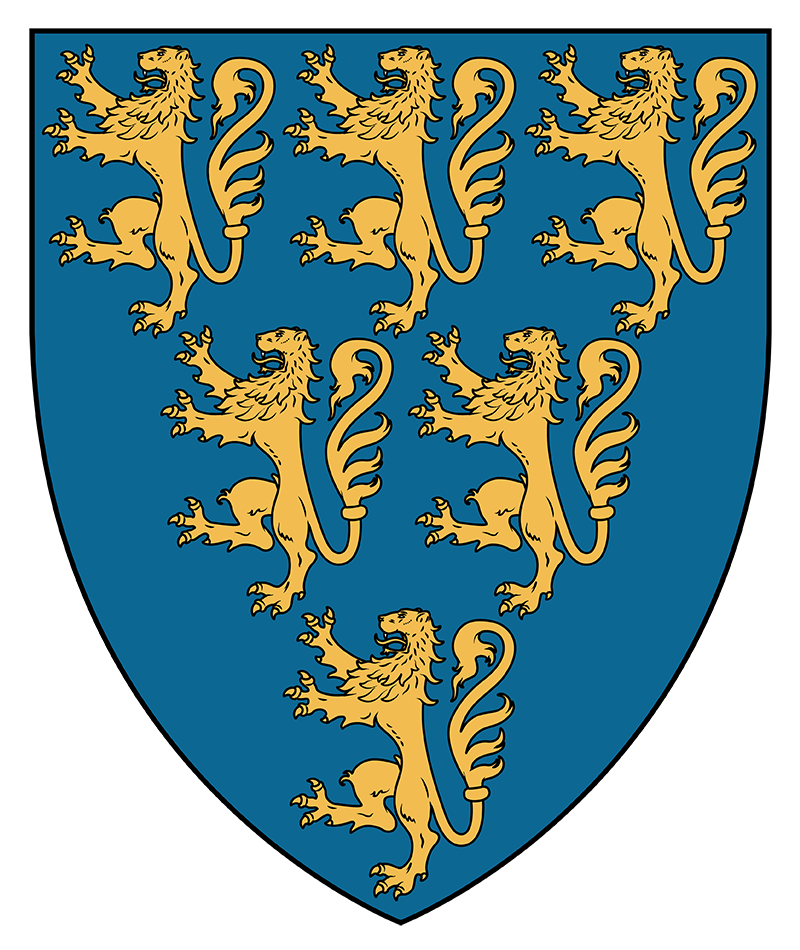
William Longespée - 3rd Earl of Salisbury
Long Sword
William Longespée was an Anglo-Norman Nobleman, military leader, and illegitimate son of King Henry II of England. He was a loyal supporter of King John and one of the advisors named in Magna Carta.
William was born around 1167-1176 in England, in territories under his father's control. He was the illegitimate son of King Henry II and Ida de Tosny. He was called "Long Sword" or Longespée because of his height and his use of oversized weapons.
In 1188, after being recognized by Henry II as his son, William received the honor of Appleby in Lincolnshire and Appleby Castle as an important landholding.
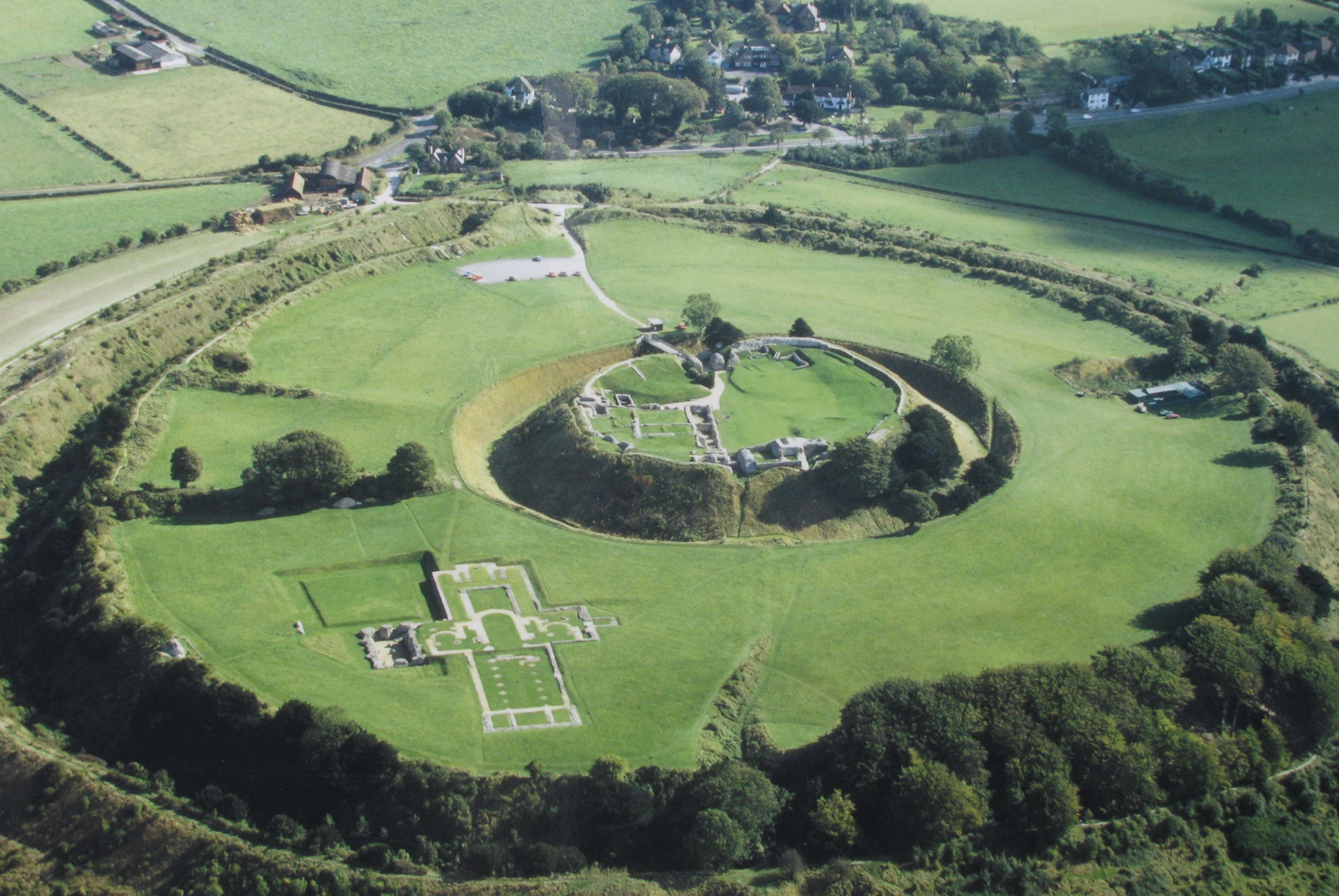
In 1196, William's half-brother, Richard the Lionheart, arranged his marriage to Ela, Countess of Salisbury. The only child of William FitzPatrick, 2nd Earl of Salisbury, Ela brought with her extensive lands, including Salisbury Castle (Old Sarum), making William the 3rd Earl of Salisbury. Together, William and Ela had nine children: William, Stephen, Nicholas, Richard, Isabel, Ela, Ida, Mary, and Pernel.
William participated in Richard I's campaigns in Normandy to recover lands that King Philip II of France had seized while Richard was away on crusade.
Following this, in 1205, William was at Poitou to command a force of knights after King John's plans for a full invasion were suppressed. He later took command of John's Welsh and Irish expeditions of 1210-1212 and, during this period, received a joint appointment as Viceroy of Ireland with John de Gray, Bishop of Norwich. At around the same time, William was granted the honor of Eye in Suffolk.
Building on these military roles, in 1213, the Earl of Salisbury led a large fleet to Flanders, where he destroyed a large portion of the French fleet anchored at Damme.
In 1214, Salisbury was sent to assist Otto IV of Germany, who was invading France. Later that year, William commanded the right wing of the army during the allied army's crushing defeat at the Battle of Bouvines. During the battle, Philip of Dreux, Bishop of Beauvais, struck William with a mace. William was taken prisoner and later exchanged.
Upon William's return to England, tensions escalated among the barons, who began to rebel against King John. While most turned against the King, William, Earl of Salisbury, remained one of the few loyal barons. In 1215, he served as an advisor and witness at Runnymede when John signed Magna Carta.
Under John, William served as the Constable of Dover Castle and Warden of the Cinque Ports, guarding the English Channel.
When John failed to honor the charter, and the First Barons' War began, William stayed loyal to John, leading the King's army in the south. During this period, he was appointed High Sheriff of Wiltshire for life. However, after Louis of France landed in England to support the rebellious barons, William shifted allegiance and sided with the barons.
King John died in 1216. After his death, William supported John's young son, Henry III of England. Soon after, he helped raise the Siege of Lincoln with William Marshal, Earl of Pembroke, and 400 knights. William later fought at the Battle of Sandwich. He was appointed High Sheriff of Lincolnshire and governor of Lincoln Castle. This appointment caused tension with Nicholaa de la Haye, the hereditary castellan.
In 1217, William was appointed High Sheriff of Devon, and in 1224, Staffordshire, and Shropshire.
In 1225, William was returning to England when his ship was nearly sunk in a storm, after which he spent several months in refuge at a monastery on the French Ile de Ré.
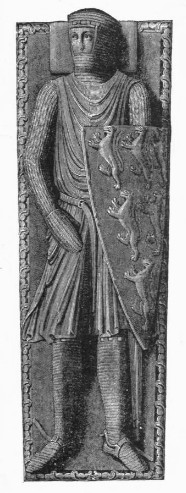
William Longespée died on March 7th, 1226, at Salisbury Castle, soon after returning to England. He was the first person buried at Salisbury Cathedral, for which he and his wife Ela had laid the foundation stone in 1220. When his tomb was opened in 1791, a well-preserved rat with traces of arsenic was found inside his skull.