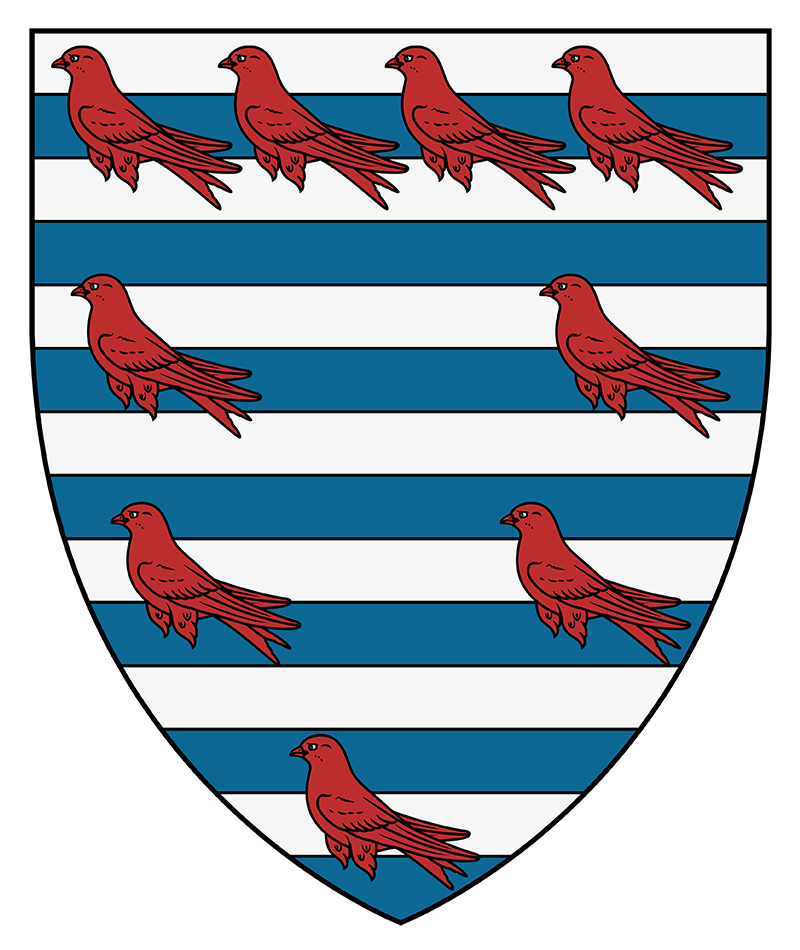
William de Valence - 1st Earl of Pembroke
Guillaume de Lusignan
William de Valence was a French Nobleman who became powerful in England as the half-brother of King Henry III and played a key role in the Second Barons' War and royal politics of the time.
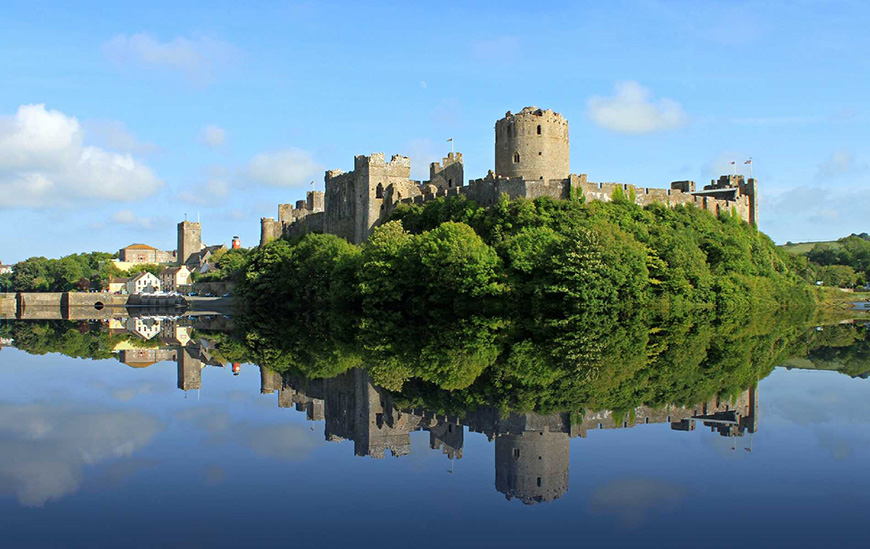
William de Valence, born Guillaume de Lusignan, was born sometime around 1226 in the Cistercian Abbey in Valence, France. He was the fourth son of Isabella of Angoulême, widow of King John of England, and her second husband, Hugh X de Lusignan, Count of La Marche, making William, Henry III's half-brother.
In 1246, the French conquest of Poitou made it difficult for William's family, so they moved to England in 1247 on Henry III's invitation.
On August 13th, 1247, William married Joan de Munchensi, daughter of Warin de Munchensy, Lord of Swanscombe, and his wife Joan Marshal, one of five daughters of William Marshal, Earl of Pembroke. William and Joan had seven children: Isabel, Joan, John, William, Aymer, Margaret, and Agnes.
When William Marshal and his sons all died, William de Valence became the 1st Earl of Pembroke, third creation, by 1253, through his wife, and was granted custody of the lands and the Earldom of Wexford in Ireland.
William de Valence quickly rose in status and became a royal favorite, but his favoritism and foreign birth did not sit well with the English barons, culminating in conflict during the Provisions of Oxford in 1258. When he refused to recognize the provisions, he was besieged at Wolvesey Castle in Winchester before being exiled to France.
In 1259, William reconciled with Simon de Montfort in Paris and returned to England in 1261, returning to royal favor.
William de Valence was a key figure during the Second Barons' War, fighting for King Henry III and Prince Edward. He fought with Henry at the Battle of Lewes in May of 1264, which the Royalists lost, so he again fled to France while de Montfort and the barons ruled England.
In 1265, William returned by landing in Pembrokeshire, Wales, and taking part in the Siege of Gloucester and the decisive victory at the Battle of Evesham in August of that year. After the battle, his estates were restored, and he accompanied Prince Edward, future King Edward I, on a crusade to Palestine.
William later fought against the Welsh Princes of Llywelyn ap Gruffudd and Dafydd ap Gruffudd during Edward I's conquest of Wales, where he negotiated the surrender of Castell-y-Bere.
He was also in the King's retinue in 1291 when the King went to Scotland to settle the question of succession to the Scottish throne after the death of Alexander III, which ultimately led to the First War of Scottish Independence.
On May 18th, 1296, William de Valence died at Bayonne, in southwestern France, and was buried at Westminster Abbey in London. He was succeeded as Earl of Pembroke and Wexford by his son, Aymer de Valence.
His tomb has the only existing example in England of Limoges champlevé enamelwork on a monument. The Latin inscription no longer remains, but was recorded by William Camden in his guide of the Abbey in 1600 and translated to:
“All England, thou weepest, for the royal progeny with which thou wert accustomed to bloom is dead. William, whom the humblest tomb contains, shows forth an illustrious name, Valence, a noble surname, such as he ought to claim for himself. Valiant, he prevailed, victorious by virtue and valour; and, peaceful, gave pleasure with his vigour of mind and of character; generous, capable, steadfast; eagerly prosecuting wars, competent and modest, faithful, striving for distinction. In 1300 less four years in the month of May death, with his own sword, struck him down. Thou who readest these words remember how full of fear is the way, and see how both thou and I shall die, all unknowing of the hour. O merciful Christ, let him, I pray, enter Heaven, and let him see nothing melancholy; for he excelled in all these ways.”