Thomas of Lancaster - Duke of Clarence
Thomas of Lancaster, Duke of Clarence, was a medieval English Prince and an early 15th century soldier. He is remembered for his royal status and role in the Hundred Years' War.
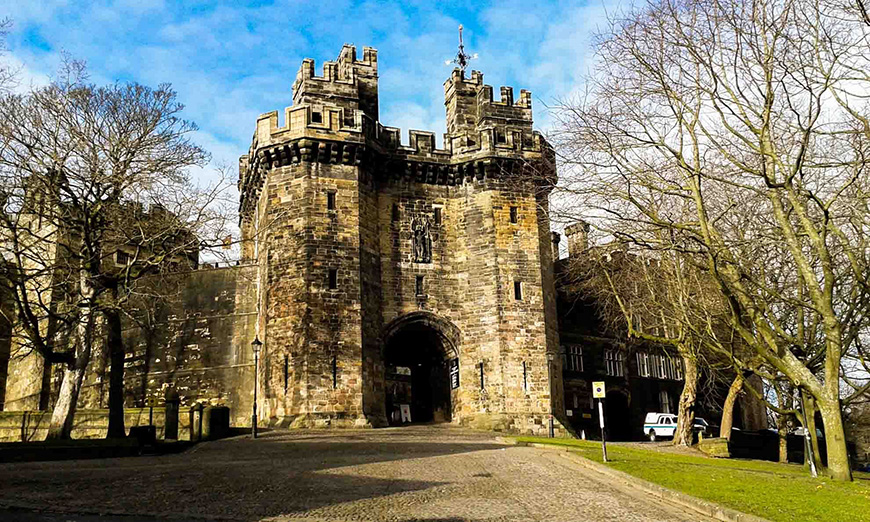
In the autumn of 1387, Thomas was born at either Kenilworth Castle in Warwickshire or in London. The second son of King Henry IV, Henry Bolingbroke, and Mary de Bohun, he was the younger brother of Henry of Monmouth, who became King Henry V.
In the late 1390s, he was appointed Governor of Carisbrooke Castle on the Isle of Wight, even though he was still a boy. He was later made Constable of Lancaster Castle.
In 1401, his father appointed Thomas Lord Lieutenant of Ireland at the age of just fourteen. He spent much of the next eight years there and was nearly killed in a 1406 Dublin skirmish.
In 1404, he was involved in an attempt to relieve Coity Castle, in Glamorgan, Wales, during a siege.
In December 1411, Thomas married Margaret Holland, daughter of Thomas Holland, 2nd Earl of Kent. Although they had no children, Thomas did have a son out of wedlock, John, known as "the Bastard of Clarence."
When King Henry IV fell ill in 1411, his son Henry became head of the royal council. After he clashed with his father over France, Henry was removed, and Thomas replaced him, following their father's direction.
In 1412, Thomas was created Duke of Clarence and Earl of Aumale. Later that year, he led an expedition to France in support of the Orléanist faction.
After his father's death in March of 1413, Henry of Monmouth became King Henry V, making his brother Thomas the heir presumptive to the throne until the new King had children.
When Henry V began campaigns in France during the Hundred Years' War, Thomas supported him and played a major role in the early stages of the Normandy conquest.
In August and September of 1415, Thomas accompanied Henry to France, where he commanded forces at the Siege of Harfleur. However, he became seriously ill, likely from dysentery, and returned to England before the Battle of Agincourt.
From July to September 1417, Thomas served as Constable of the Army at the Siege of Caen, where he commanded the vanguard on a key assault. As a result, his forces captured the Abbey of Sainte-Trinité, which became his headquarters until Caen fell.
From July 1418 to January 1419, he took part in the Siege of Rouen. During this period, he led the besieging forces on the city's western side.
In 1420, King Henry signed the Treaty of Troyes, making him heir to the French throne, and then returned to England. However, the Dauphin refused the agreement and, aided by a Scottish army led by John Stewart, Earl of Buchan, continued resistance.
While Henry returned home, Thomas stayed in France and led 4,000 men, raiding Anjou and Maine, facing little resistance from the French. By March 21st, 1421, Good Friday, Thomas and the English army made camp near the town of Vieil-Baugé.
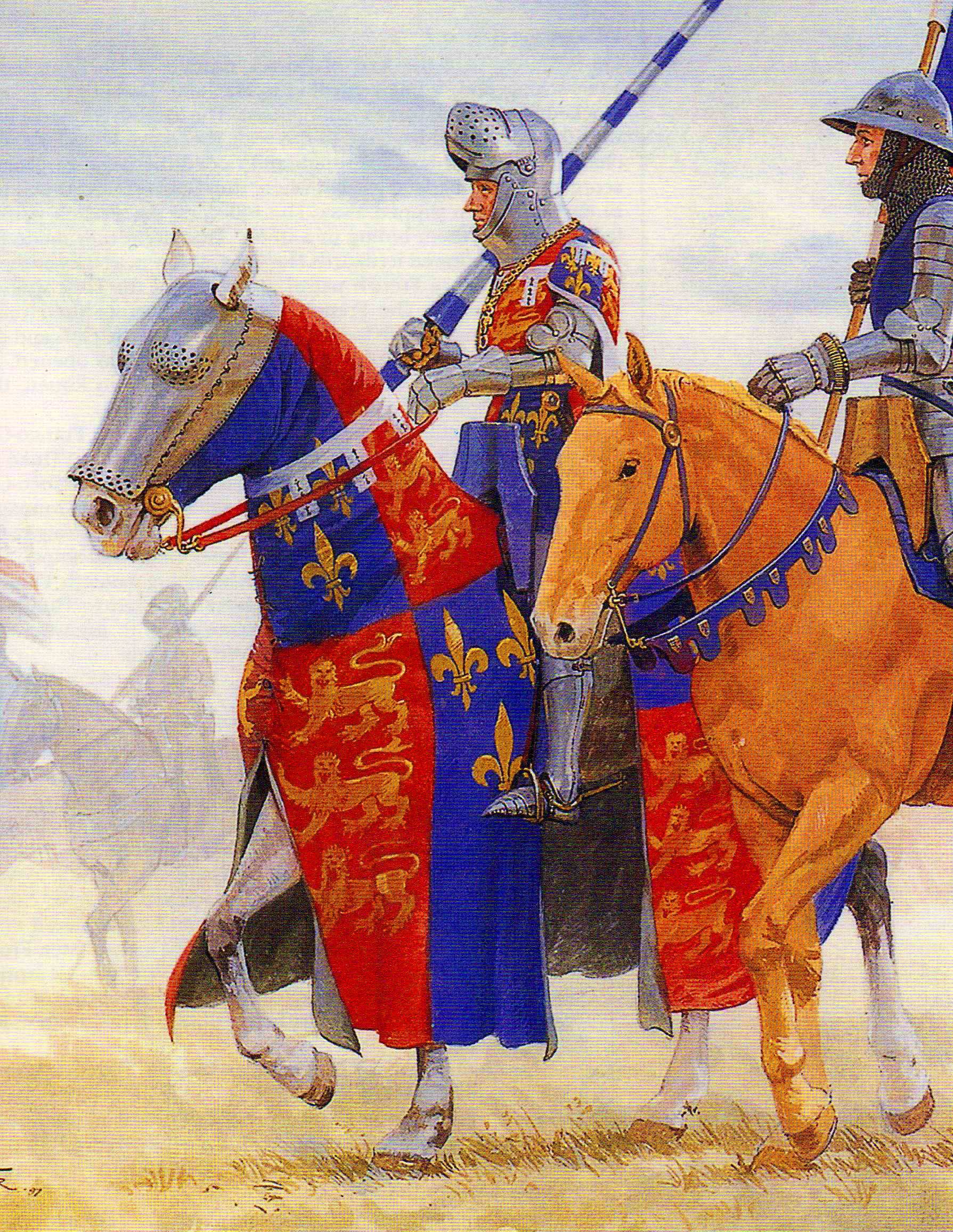
A French-Scottish army of 5,000, led by John Stewart and Sieur de Lafayette, Marshal of France, also reached Vieil-Baugé to block the English advance. Meanwhile, the English were spread out, with many archers away in search of food or plunder.
Both sides agreed to a two-day truce to celebrate Easter, but then did not honor that and clashed on Easter Saturday, March 22, 1421. Thomas underestimated the size of the French-Scottish army and launched a surprise cavalry attack without archer support. The French-Scottish forces quickly blocked the English from crossing a bridge to rally their troops. When Thomas forced his way across, he met the main French-Scottish force. In the clash, John Carmichael of Douglasdale unhorsed Thomas, John Swinton reportedly wounded him in the face, and Alexander Buchanan killed him with his mace, then raised the Duke's coronet in triumph.
Thomas of Lancaster, Duke of Clarence, was dead. His son John accompanied his remains from Baugé to Canterbury Cathedral for interment. The title Duke of Clarence became extinct after Thomas's death because he had no legitimate heirs.
