Siege of Caerlaverock Castle
Mighty was Caerlaverock Castle. Siege it feared not.
Background
After the English won the Battle of Falkirk on July 22nd, 1298, Edward I headed north and occupied Stirling Castle and raided Ayrshire, Perth and St. Andrews before moving south into England and settling at Carlisle by September of 1298.

In 1299, a Scottish garrison from Caerlaverock Castle attacked nearby Lochmaben Castle, which was held by the English.
In early July of 1300, King Edward I gathered an army of 3,000, including his son, Prince Edward, and 87 Barons, at Carlisle, England. They marched north to besiege Caerlaverock Castle to punish Scotland for William Wallace's continued insurrection and to gain control over the region of Nithsdale.
Caerlaverock Castle was defended by a small garrison of 60 men led by Sir Eustace Maxwell.
Battle
The English army set up camp around the castle, and it was clear they were not going to sit around and wait; they immediately began laying siege to the castle, which lasted two days. It must have been a daunting sight for the garrison to look out upon the enemy around their castle, led by Edward I himself.
The Scottish garrison mounted a strong defense of the castle and was able to repel the English attacks by Edward's squadrons several times, which were led by "Brother Robert", a clerical figure named in the Roll of Caerlaverock.
The English forces were relentless, as were the siege engines they brought, which could hurl stones weighing more than 50 kilograms. Eventually, they breached a portion of the castle walls and forced the garrison to surrender.
After the surrender, the English were astonished to discover that the castle had been defended by only 60 men.
Aftermath
Edward I pretended to show clemency toward the Scottish men defending the castle, but many were likely hanged or imprisoned, as was Edward's way in other campaigns.
Some of the Scottish garrison would go on to join Robert the Bruce at Loudoun Hill and Bannockburn, continuing Scottish resistance.
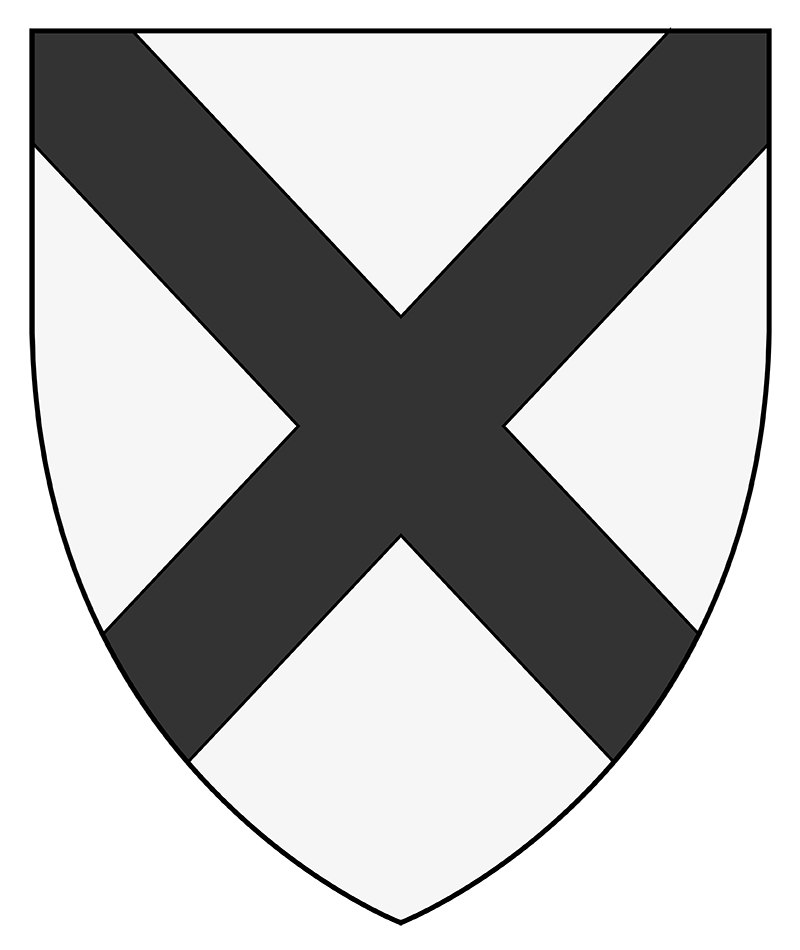
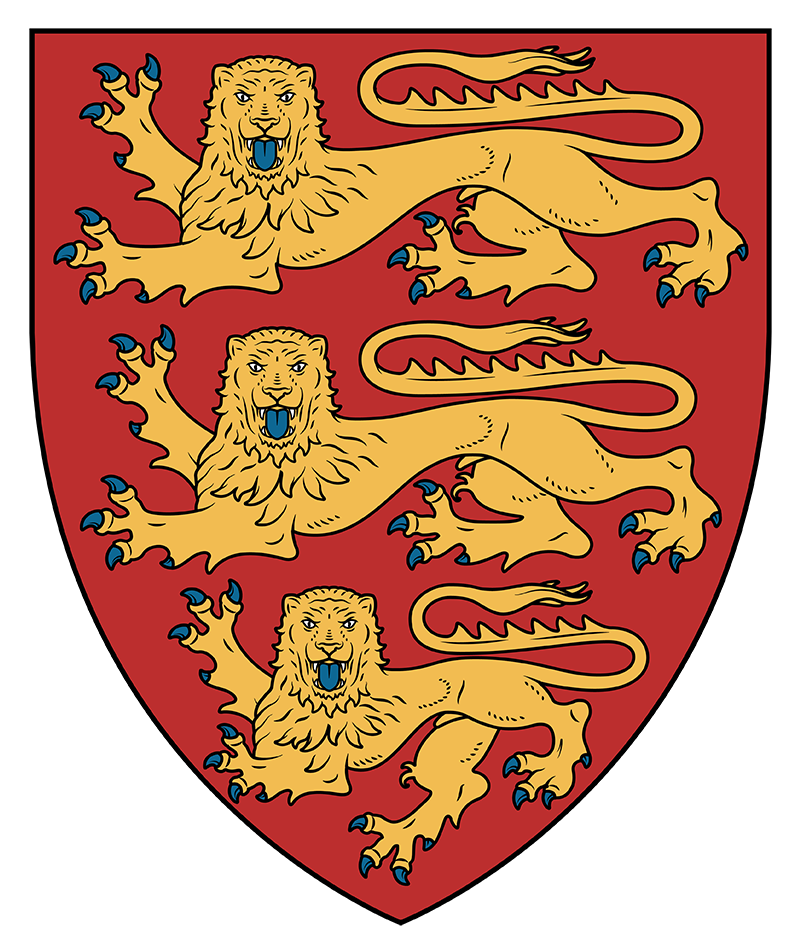
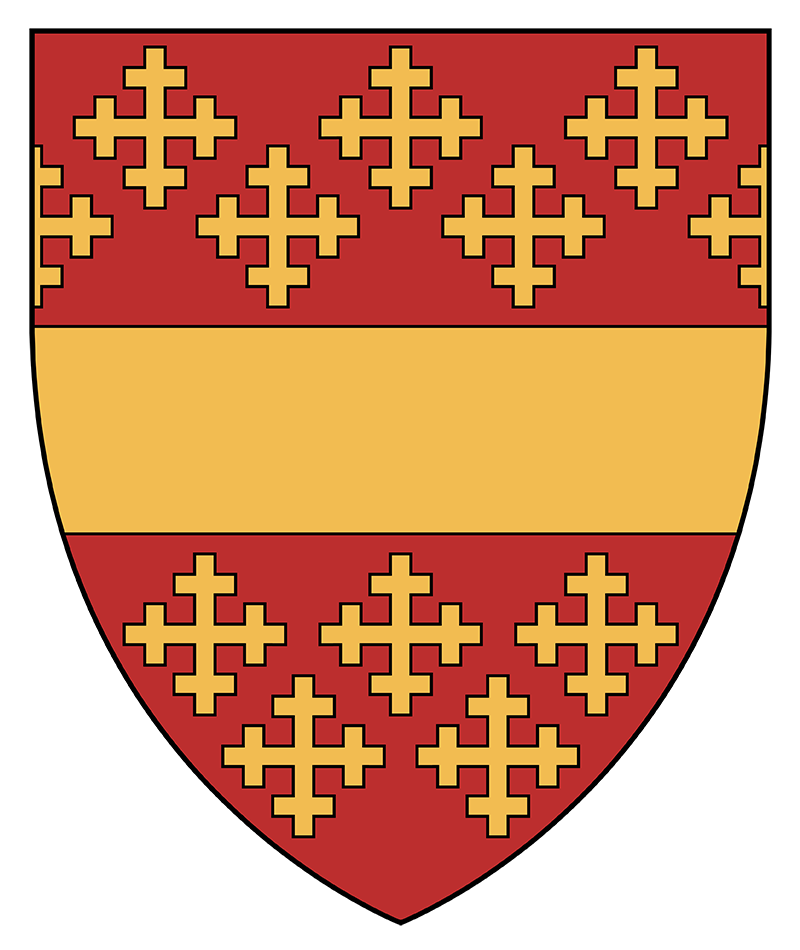
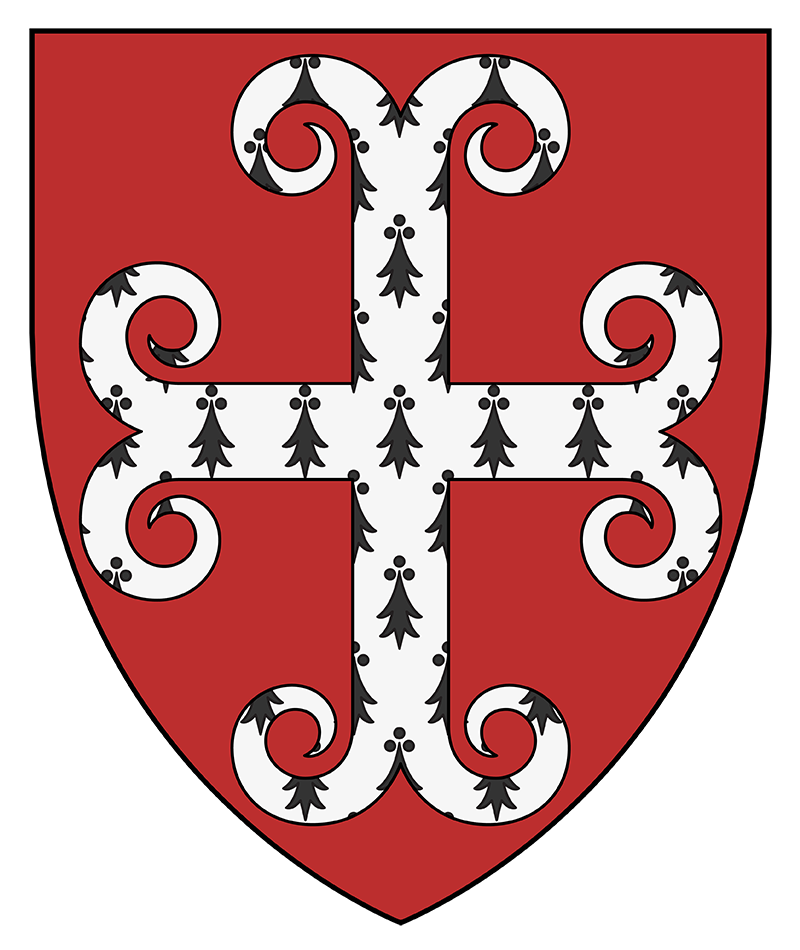
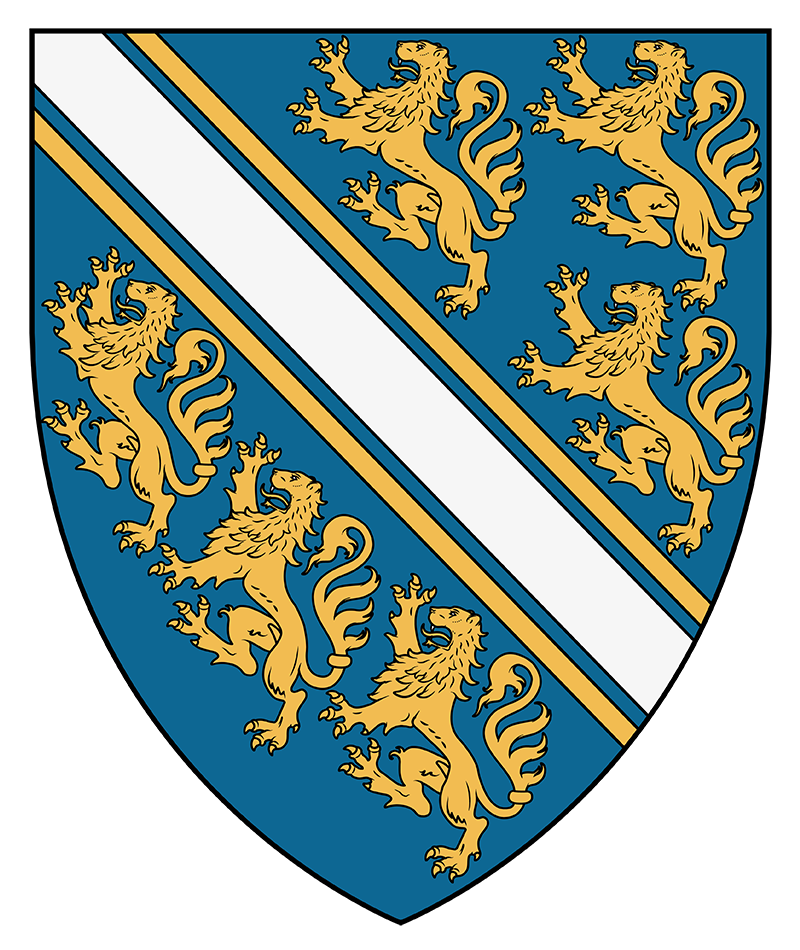
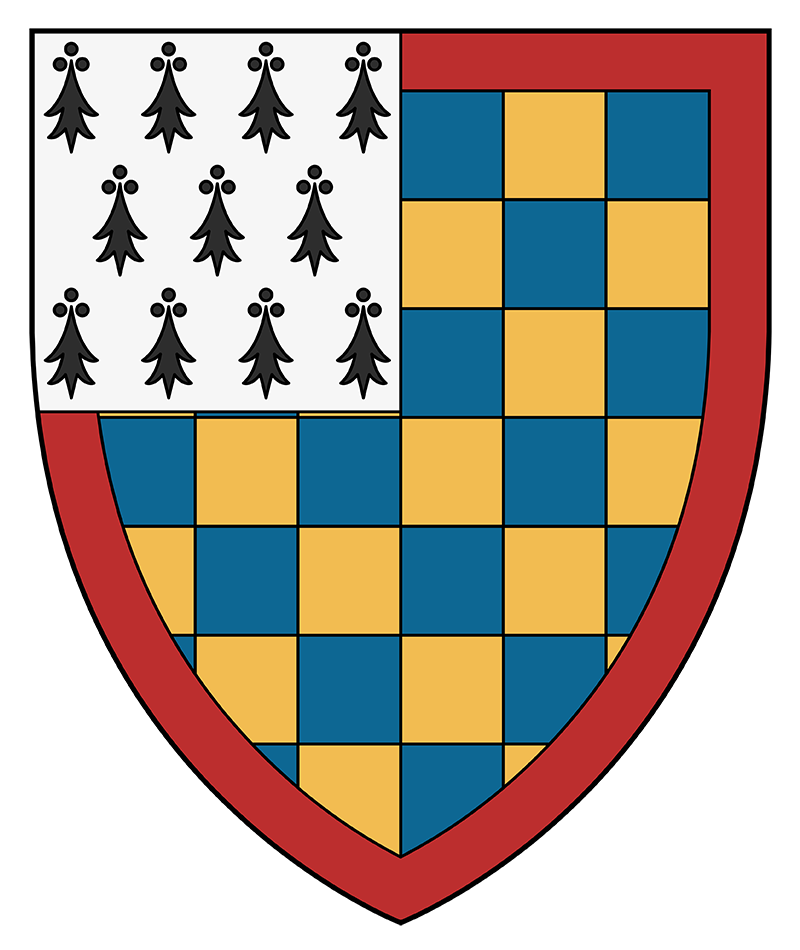
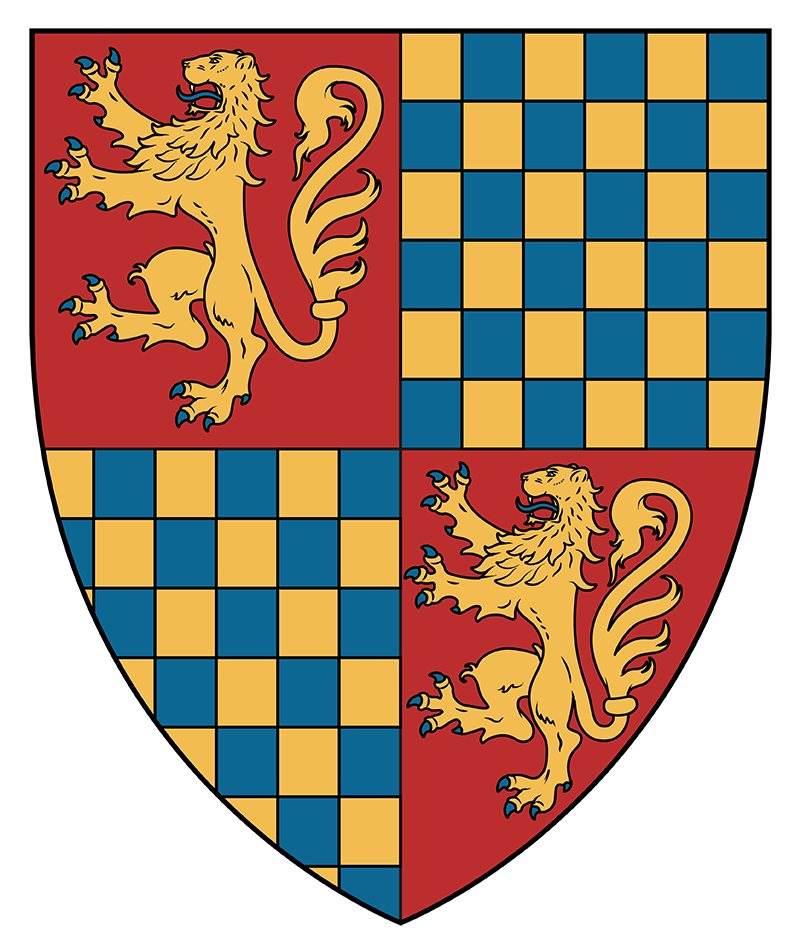
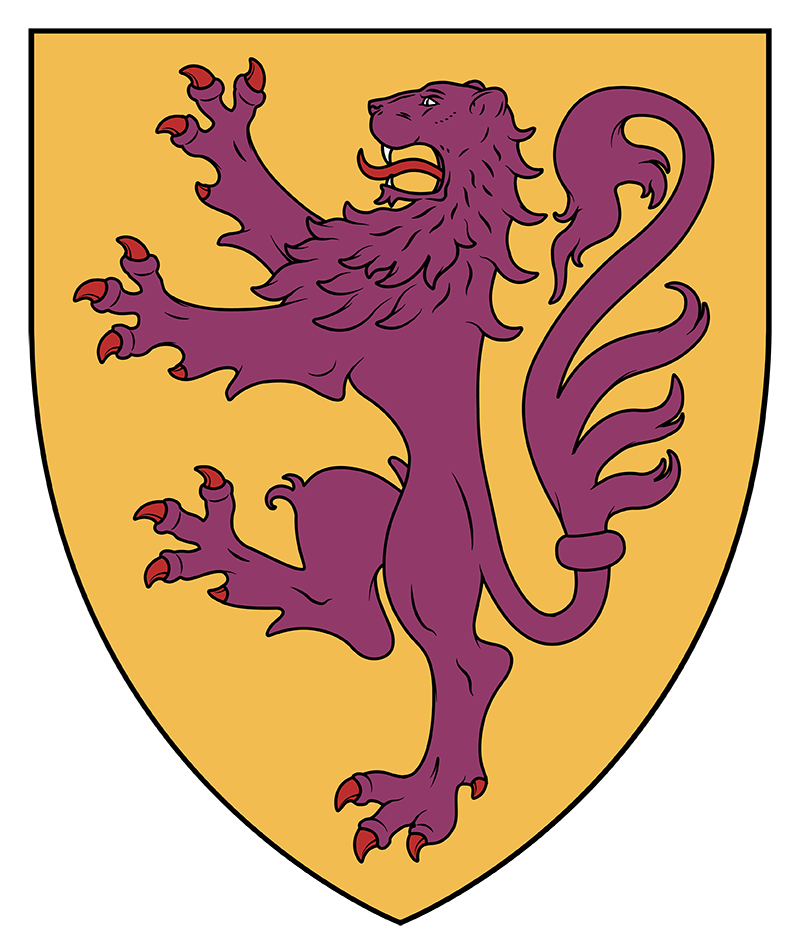
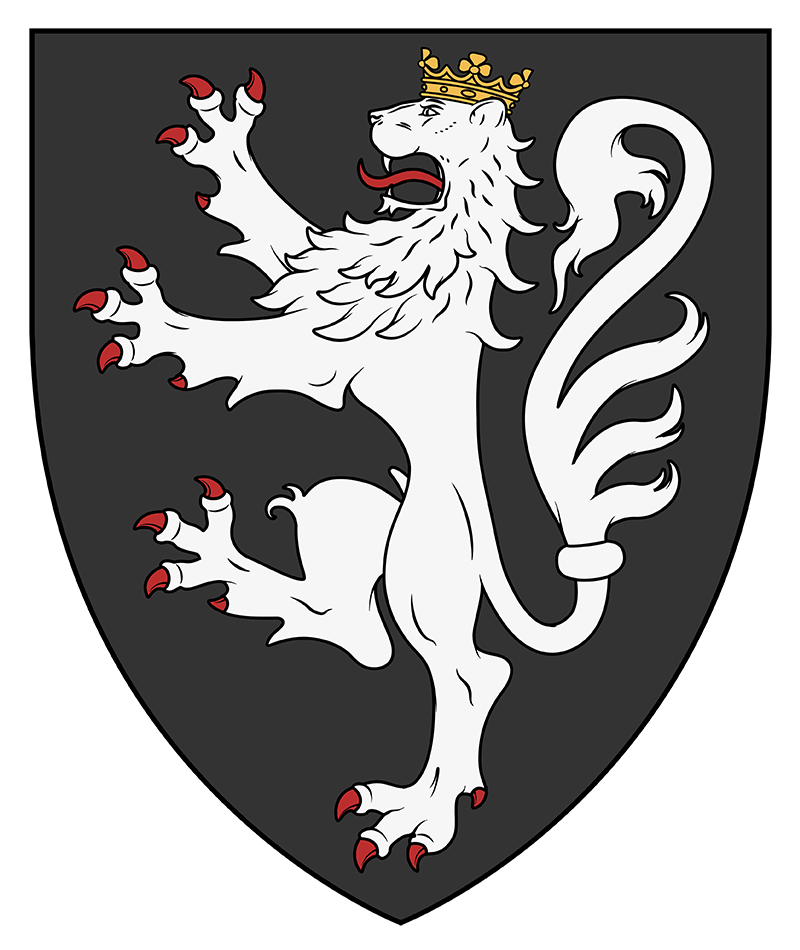
The siege of Caerlaverock was well documented in the Roll of Caerlaverock, a medieval poem written by one of Edward's heralds who gave a firsthand account of the siege, including English participants and their heraldry, detailing their coat of arms. It reveals details about the siege and which English nobles and knights were there.
Portions of the Caerlaverock Roll's present translation into English verse follow below:
Mighty was Caerlaverock Castle. Siege it feared not. scorned surrender —wherefore came the King in person. Many a resolute defender, well supplied with stores and engines, 'gainst assault the fortress manned. Shield-shaped, was it. corner-towered, gate and draw-bridge barbican'd. strongly walled, and girt with ditches filled with water brimmingly. Ne'er was castle lovelier sited : westward lay the Irish Sea, north a countryside of beauty by an arm of sea embraced. On two sides, whoe'er approached it danger from the waters faced; nor was easier the southward — sea-girt land of marsh and wood: therefore from the east we neared it, up the slope on which it stood.
There the host, at the King's bidding, was reformed in squadrons three, which the harbinger best suited; there the banners you could see bravely spread; and many a warrior trying out his horse's pace; there stout men-at-arms three thousand; and aglow was all that place with gold, silver and rich colours. Those who watched us from the tower well might think that greater peril never faced them till that hour. Where the Marshal set the quarters, houses on all sides appeared, not by carpenters and masons builded, but of cloth upreared; many were their forms and colours, and by many a taut cord held; many a peg in earth was driven; many a tree for huts was felled; and to strew within the lodgings, leaves and herbs and flowers were culled. Timely came the ships with stores and engines; then the foot-men boldforward went discharging arrows, bolts and stones against the hold; but so fiercely the defenders sent these tokens back again that in one short hour were many maimed and wounded, many slain. When the warriors saw the footmen in their onslaught so dismayed, with all haste, for speech not staying, ran they — leapt they to their aid.
Upwards these their missiles hurtled, while with many a heavy blow rained upon their heads, the Castle's guardians sought to lay them low. Graham's men returned not scatheless, for unhurt or shields unbroken were but two. With these were mingled many King's men, but unspoken he their names and gallant actions, or my tale were never done. Strengthened were they by the meinie well-equipped of the King's son, with new-painted shields and splendid, burnished caps and helms ashine, gambesons of divers fashions with silk, cloth and cotton fine.
All day long did Brother Robert those within the Castle fret grievously with stones incessant hurtled from the robinet, while against the walls he lifted three more engines of great power, devastating in their action, such that neither fort nor tower could withstand their mighty pounding. Still the foe unflinching stood until lifeless some were smitten; then at last their stubborn mood wavered, and dismay possessed them; for that man a missile found, not steel cap nor wooden target could protect from grievous wound. Now no longer could they suffer, and a pennon held aloft, sign that they for peace would parley; but an archer sent a shaft piercing him who held the pennon through the hand into the face; and he begged them to forbear him, for he sought to yield the place to the King, and all within it to his mercy and his grace.
Word to cease the fight was given by the Constable and Marshal, and the garrison submitted, and delivered up the Castle. Of all ranks, but sixty left it — marvelled we they were so few; life and limb the good King spared them, and gave each a garment new. Joyous was the host in conquest; and the King his banner bade, with St. Edmund's and St. George's and St. Edward's, be displayed; and with them, by right established, those of Segrave, Hereford, and him trusted with the keeping of the Castle — Lord Clifford. Then the war-wise King directed how the army should be led, by what roads and by what passes, through the hostile land ahead.