Ghosts of Lochleven Castle
Lochleven Castle is a ruined 14th century tower house standing within one corner of a courtyard castle. The castle used to dominate the island on Loch Leven, where it resides, but the loch's level has been lowered after it was partially drained in 1836.

Despite its modest size, this small island fortress has borne witness to many historical events. For instance, it was stormed by William Wallace after being captured by the English. Later, in 1301, the castle was besieged by the English but held out until it was relieved by John Comyn.
Notably, Robert the Bruce visited the castle on a few occasions in 1313 and 1323. Robert II was confined at Lochleven Castle in 1369, before his coronation as King of Scotland. By the end of the 14th century, ownership passed to the Douglases of Lochleven, marking a new chapter in its story.
Behind cold, stone walls, Lochleven Castle became the unwilling home of Mary, Queen of Scots, from June of 1567, after her defeat at the Battle of Carberry Hill, until her daring escape in 1568. It was within these somber chambers that she was forced to abdicate in favor of her infant son, James VI. While imprisoned, it is believed she endured the heartbreak of a miscarriage of twins in July of 1567.
Although the castle stands in ruins today, its long and eventful history continues to resonate, as it is still said to be home to a few spectral spirits who wander the grounds.
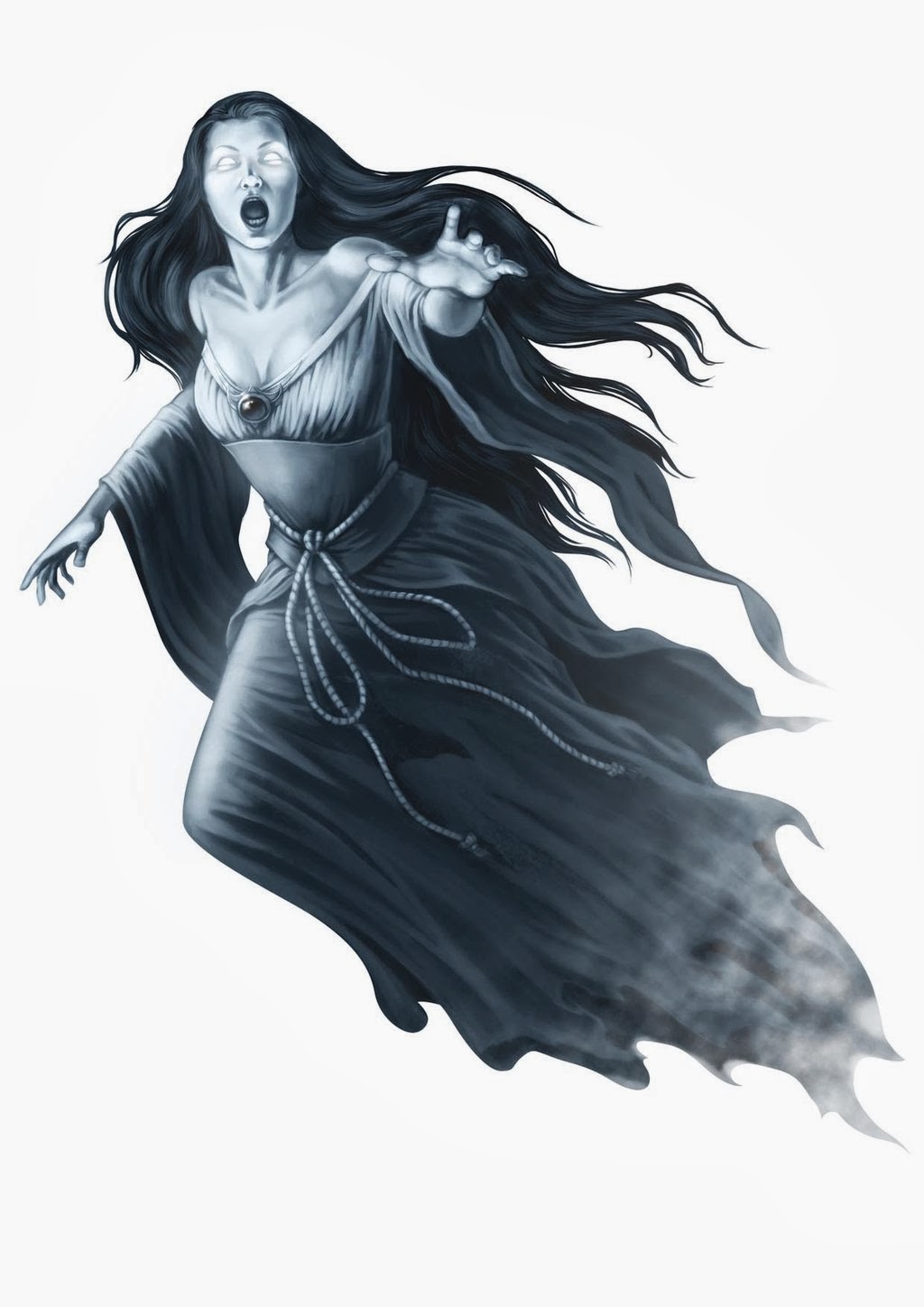
Among these restless spirits, the most persistent is said to be Mary, Queen of Scots. According to legend, Mary's sorrowful ghost lingers in the shadowy halls of the Glassin Tower, where she was once held captive, eternally searching for her lost twins. Sightings often tell of her wandering the water's edge, the crumbling tower, and the ruins—her anxious footsteps echoing the anguish of longing for her twins to “return,” so they might know their loss was never her fault. Visitors have described the air growing cold with a residual sorrow, and some have glimpsed the pale apparition of a woman, sometimes joined by a silent man, both praying in the half-light near the oratory window once crafted for her.
As well as Mary's ghost, other spirits are also said to keep her company at the castle. Among them, two are known in local lore as Crooked Dave and Green Jane. Witnesses have reported screaming and other unexplainable sounds emanating from the castle, continuing to fuel its haunted reputation.