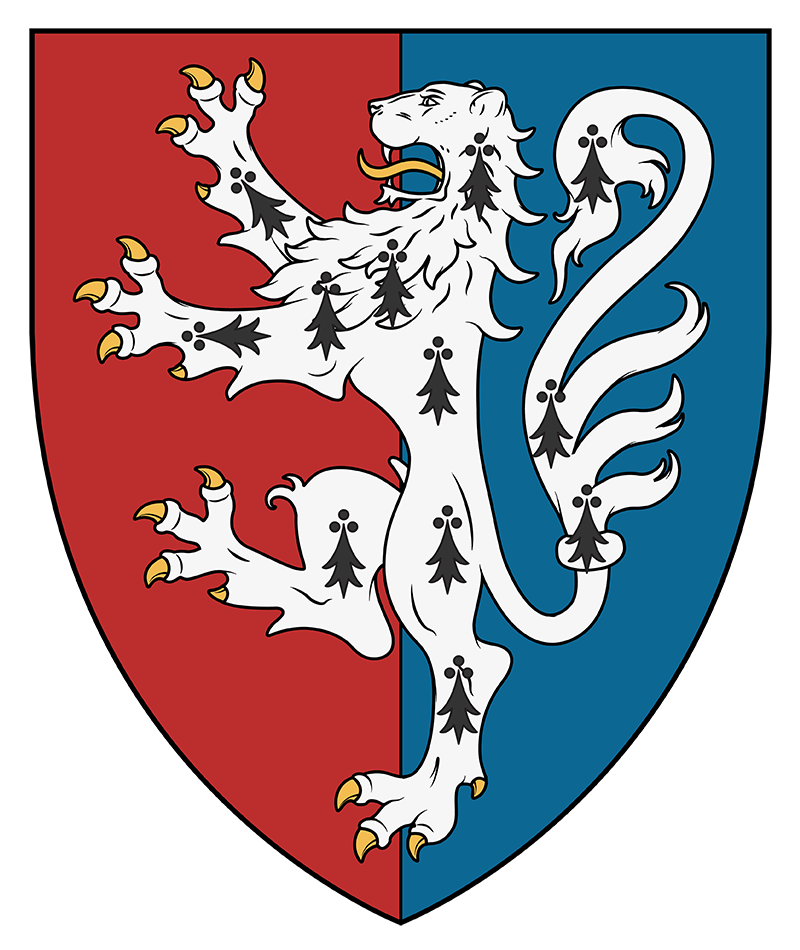
Hugh Bigod - 3rd Earl of Norfolk
Hugh Bigod, an English Nobleman, held the title of 3rd Earl of Norfolk. Among his achievements was being one of the Twenty-Five Sureties of the Magna Carta.
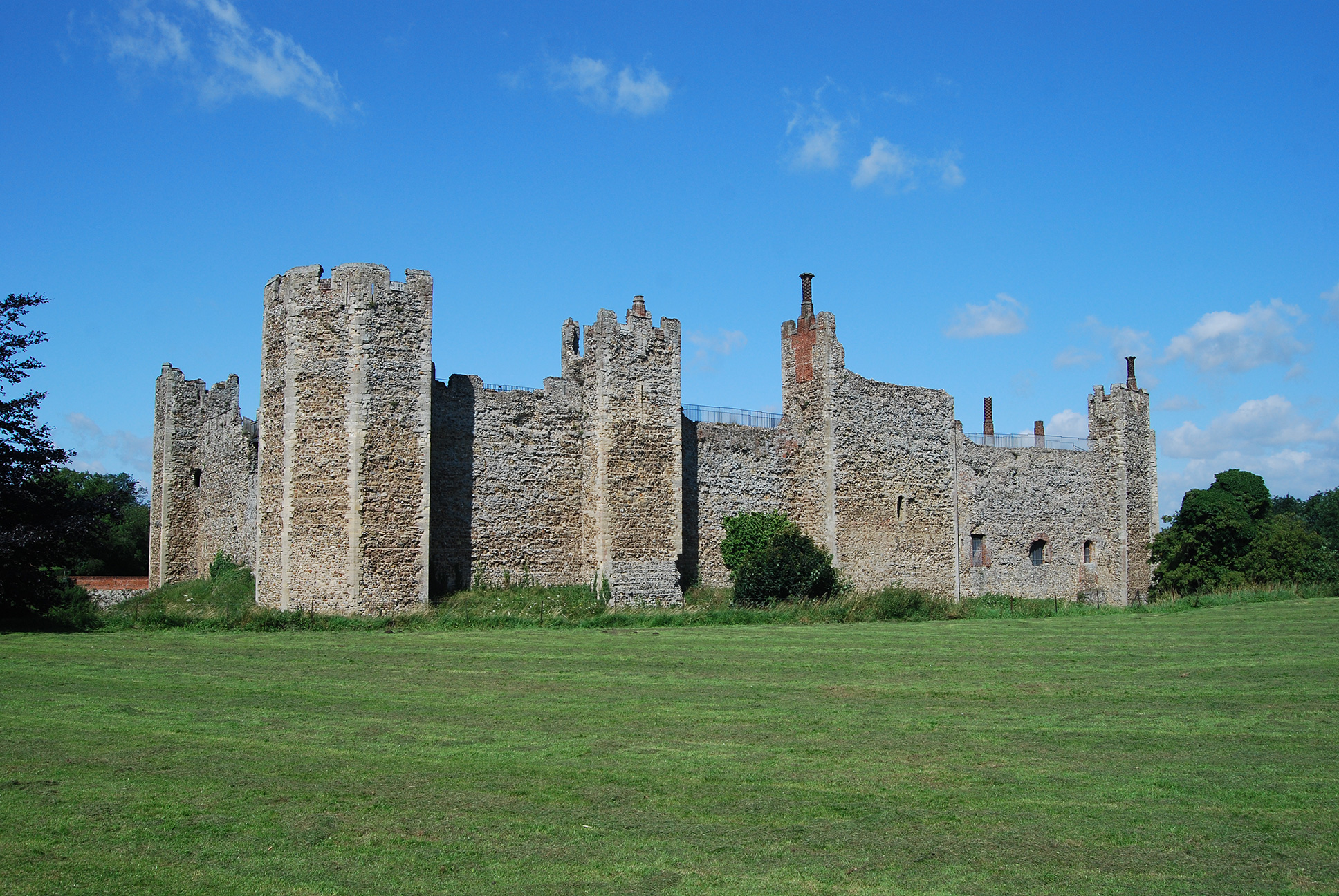
Born around 1182 in Thetford, England, Hugh was the eldest son of Roger Bigod, 2nd Earl of Norfolk, and Ida de Tosny. As part of the influential Norman Bigod family, he inherited extensive estates in East Anglia, including Framlingham Castle.
In 1206 or 1207, Hugh Bigod married Maud Marshal, daughter of William Marshal, 1st Earl of Pembroke, strengthening ties between their families. Their children were Roger, Hugh, Isabel, and Ralph; the existence of another son, Simon, is disputed.
Continuing his family's active involvement in national affairs, Hugh, alongside his father, supported Magna Carta against King John and was among the twenty-five barons elected to enforce its provisions.
During the ongoing conflict with King John, Hugh joined baronial opposition at Framlingham Castle in East Anglia, which was seized by the king in 1216. After a peace settlement in 1217, Hugh and his family had their lands and titles restored.
In August 1221, following his father's death, Hugh inherited the earldom and estates; thus, he became the 3rd Earl of Norfolk. Soon after assuming his title, in 1223, Hugh took part in a campaign against Prince Llewelyn.
Additionally, Hugh is recorded as a witness to the confirmation of Magna Carta at Westminster on 11 February 1225.
In February 1225, just a week after the Magna Carta was confirmed, Hugh Bigod died in Thetford and was buried at Thetford Priory in Norfolk, England. His son, Roger, then succeeded him as the 4th Earl of Norfolk.
Soon after Hugh's death, his widow Maud married William de Warenne, 5th Earl of Surrey.