Battle of Slioch
Background
After victory at Loudoun Hill, Robert the Bruce gained support but was still opposed by a few Scottish Clans led by John Comyn, 3rd Earl of Buchan. Robert murdered Buchan's cousin, also named John III Comyn of Badenoch, before the altar at the Church of the Greyfriars at Dumfries on February 10, 1306.
In July of 1307, King Edward I of England died, and his son, Edward II, succeeded him. Bruce seized this period and targeted local enemies. He attacked the MacDoualls in Galloway and the MacDougalls in Lorne, then marched north toward Buchan's base near Inverness.
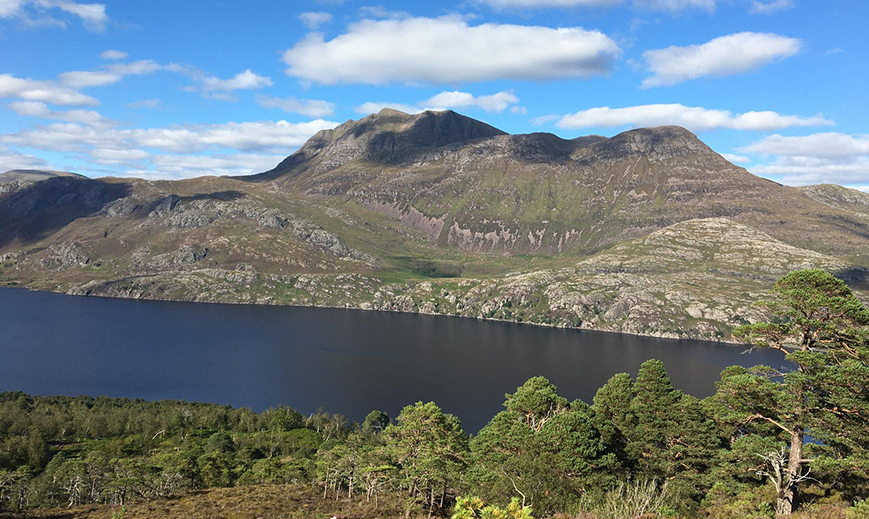
Robert the Bruce's forces increased in size and outnumbered Buchan's. However, before the battle, Bruce fell ill and retreated to Slioch to rest. Buchan used this opportunity to raise a larger army and attempt to drive off Bruce.
Battle
At Slioch, on Christmas Day 1307, Buchan and his forces reached the royal camp, where Edward Brus, Robert's younger brother, commanded.
Both sides exchanged archer fire, but neither gained an advantage, and Buchan withdrew. For three days, skirmishes continued; each time Buchan's men suffered more, yet were reinforced daily, while the royal army tired from illness and hunger.
Robert the Bruce's men marched slowly, maintaining a defensive posture, and moved to Strathbogie, farther north. Buchan's forces stopped their pursuit. Several days later, Buchan returned but again found the Bruce too strong and withdrew.
Aftermath
The small Battle of Slioch ended in a stalemate. Robert the Bruce recovered from illness and continued his campaign, capturing Scottish castles. He would soon face Buchan again at Inverurie.