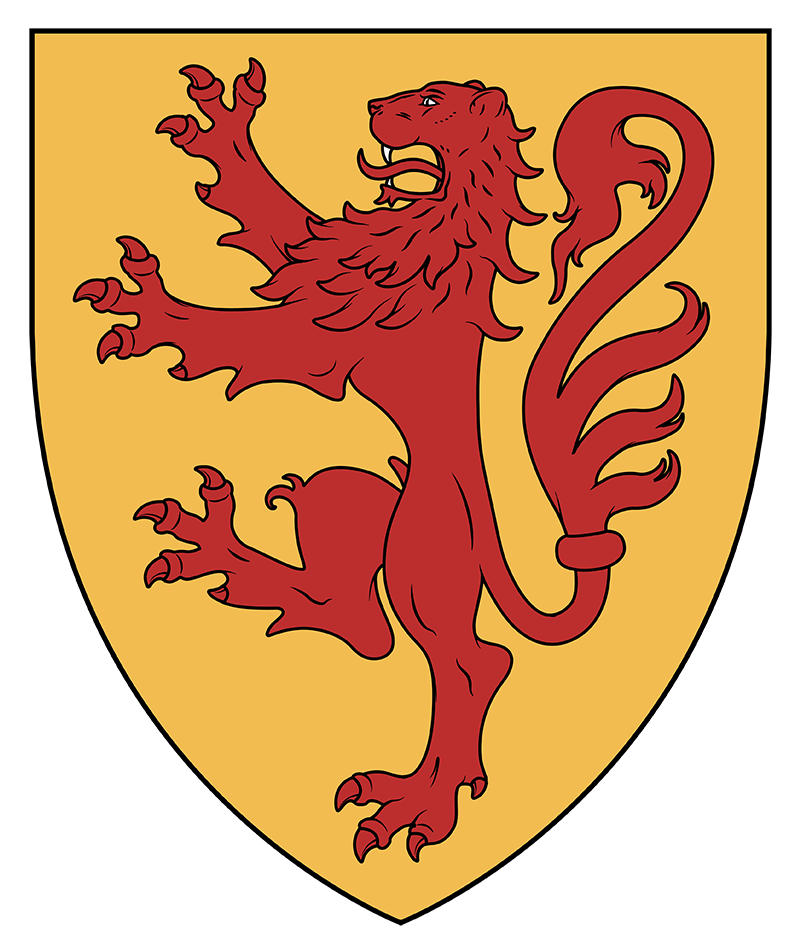
Battle of Clitheroe
Background
After the death of Henry I in 1135, his daughter, Empress Matilda, and Stephen of Blois entered a struggle for the crown, a period known as the Anarchy. As Stephen established his claim, King David I of Scotland, supporting Matilda, laid siege to Wark Castle in Northumberland, a siege that would last for months.
During this drawn-out siege, David also split his army, sending a detachment to raid Lancashire and the areas around Furness, Craven, and Clitheroe. This detachment, led by William fitz Duncan, son of King Duncan II of Scotland, included fierce warriors from Galloway.
Battle
The Scottish forces burned and looted the area, taking captives both to pressure England and to gain control over the border with Scotland.
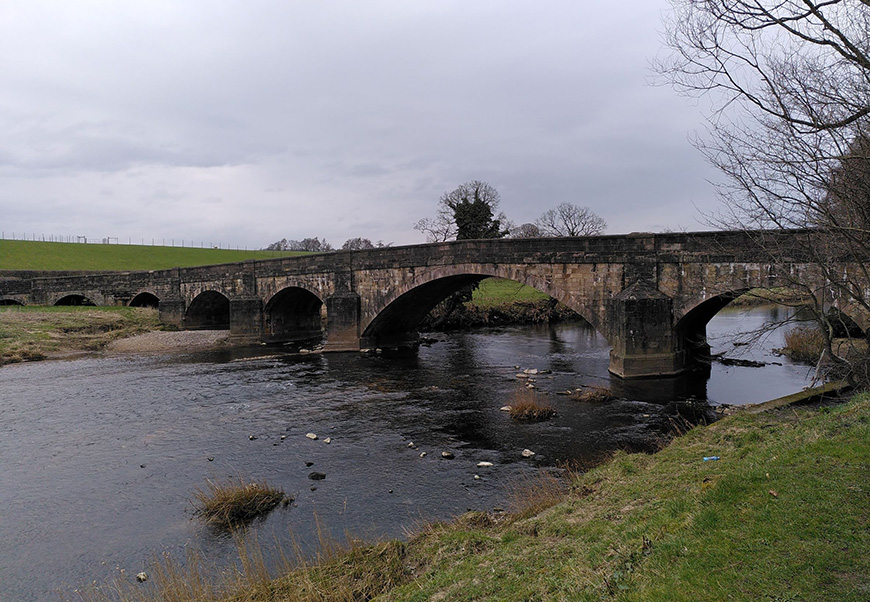
The Scots encountered heavily armed English forces composed of knights and men-at-arms clad in chainmail and helmets. After the Galwegians under William fitz Duncan initiated their renowned ferocious charges, the Scots routed the English near Clitheroe and Edisford Bridge at the southern edge of the Bowland Fells. According to tradition, the River Ribble "ran red with blood" after the fighting. Although nearby Clitheroe Castle may have played a part in the events, it is not mentioned in battle accounts.
Aftermath
After the battle, the Scots ravaged the area, killing, looting, and enslaving locals before rejoining the main Scottish army. They then proceeded to Northallerton in North Yorkshire in time for another confrontation at the Battle of the Standard.
Lancashire briefly came under Scottish influence before reverting to English control.
 Unknown